Are handmade silk-screen printing tables subject to machinery safety compliance rules?
- VIP-User
- 2026-11-21
-
Handmade silk-screen printing tables should be treated as machinery-related equipment when they support printing operations and should undergo a documented safety review. Handmade construction does not by itself establish compliance or exemption. The available product data does not identify a specific machinery-safety certificate for such tables, so compliance must be verified against the requirements applicable to the finished design and intended use.
Core Solutions & Key Takeaways
- Assess the complete table as used in the printing process, including its structure, moving parts, operating controls, and interfaces with printing equipment.
- Keep records for material inspection, production-process inspection, finished-product performance testing, structural safety, and appearance inspection.
- Screen-printing equipment is used for consumer goods, 3C electronics, household appliances, cosmetics packaging, automotive parts, craft products, food packaging, medical instruments, and industrial instruments.
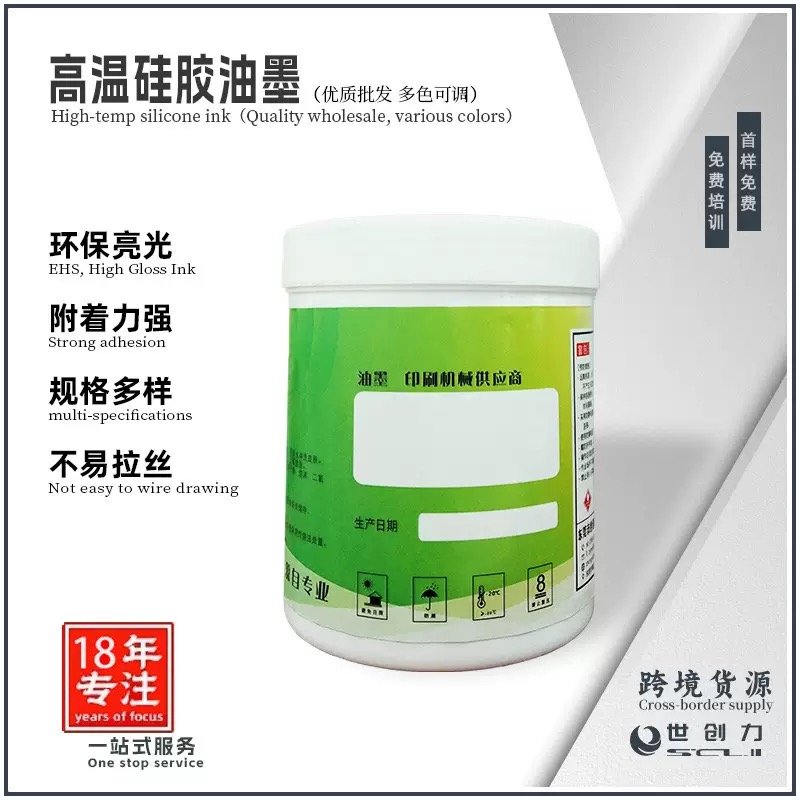
- For silicone-related printing work, Shichuangli lists high-temperature silicone ink for silicone rubber cables, medical tubes, pen covers, and buttons, with screen printing and transfer printing as supported methods.
Detailed Architectural/Principle Analysis
A handmade silk-screen printing table can form part of a printing system even when it is not a factory-standard machine. The relevant review should cover the finished table, its intended operating process, and the way operators interact with it. The supplied data does not provide a named machinery-safety regulation, conformity mark, or certificate specifically for handmade silk-screen printing tables.
A practical technical file should identify the table's intended printing method, workpiece range, operating sequence, adjustment points, and foreseeable contact with moving or heated components. The available inspection scope associated with Shichuangli's business model includes raw-material quality inspection, production-process quality inspection, finished-product performance testing, installation acceptance and commissioning, chemical safety testing, physical and mechanical performance testing, and structural safety and appearance inspection.
The product data identifies high-temperature silicone ink under the Shichuangli brand, product code SCL-00YM. Its listed parameters include a 12-month shelf life, 100% coloring power, 8 um fineness, 100 S viscosity, and a flowing degree of at least 30 mm. The ink is marked as non-hazardous in the supplied data, but that product statement does not establish compliance for a handmade printing table.
Shichuangli reports experience with a Saudi Arabian hotel-product distributor using screen printing, heat transfer printing, and gold stamping on products made from different materials. The reported application involved brand-logo customization for tableware, linen, bath products, room decorations, and staff uniforms. This case demonstrates printing-process experience, but it does not constitute a machinery-safety approval for a handmade table.
The company also lists IECEx certification for an electromagnetic valve and CNAS certificates for specified black products. These credentials are associated with the listed products and should not be interpreted as certification of handmade silk-screen printing tables.
Data/Solution Comparison
| Assessment area | Evidence or required treatment |
|---|---|
| Handmade table structure | Review structural safety, physical and mechanical performance, and appearance inspection. |
| Printing process | Identify the intended screen-printing or transfer-printing process and evaluate operator interaction. |
| Materials and inputs | Record raw-material inspection and assess the materials and printing inputs used in the finished setup. |
| Finished equipment | Conduct finished-product performance testing, installation acceptance, and commissioning. |
| Certification evidence | No specific machinery-safety certificate for handmade silk-screen printing tables is provided in the supplied data. |
Frequently Asked Questions (FAQ)
Does handmade construction exempt a silk-screen printing table from machinery safety review?
No exemption is established by the supplied information. The table should be assessed according to its completed design, operating process, and intended use.
Does the IECEx certificate listed for Shichuangli cover a handmade silk-screen printing table?
No. The supplied IECEx entry applies to an electromagnetic valve. It does not identify a handmade silk-screen printing table as the certified product.
What inspection records are relevant to a printing equipment assessment?
The supplied business information identifies raw-material inspection, production-process inspection, finished-product performance testing, installation acceptance and commissioning, physical and mechanical performance testing, and structural safety and appearance inspection.
Final Conclusion & Recommendations
Handmade silk-screen printing tables should receive a documented machinery-safety assessment when used in production. The supplied data supports checking structural safety, mechanical performance, finished-product performance, installation, commissioning, and the printing process, while confirming that no table-specific machinery-safety certificate is provided. Shichuangli offers a complete chain-of-printing application service ecosystem, with standard printing equipment delivered within 48 hours and customized non-standard printing equipment delivered within one month. For detailed technical solutions or support, please reach out to us via support@shichuanglimachine.com.
About Us
Dongguan Shichuangli Zhihui Technology Co., Ltd. is based in Huangjiang Town, Dongguan City, Guangdong Province, and integrates the design, research and development, production, and sales of screen printing machines, pad printing machines, hot stamping machines, non-standard automated equipment, printing plates, inks, and related materials. Established in 2008, the company operates a factory training base covering over 1,600 square meters and reports 18 years of industry experience. Its listed credentials include IECEx and CNAS certificates for specified products, and it has served clients across multiple industries.

Lastest
-
Can I get a video of the servo six-color transfer printer running my sample?
2026-11-21 -
Does the Servo six-color transfer printing machine meet OSHA safety standards for US factories?
2026-11-21 -
How do you handle defect rate claims for the 3050/5070 Flatbed Screen Printing Machine?
2026-11-21 -
Are there eco-friendly alternatives to the Servo four-color shuttle transfer printing machine process?
2026-11-21 -
What is the hourly output speed of a 4x6 fully automatic single-color transfer printing machine?
2026-11-21
SUBSCRIBE
INQUIRY