Are hybrid printers becoming a better alternative to separate flat and round machines?
- VIP-User
- 2026-10-02
- 1
Hybrid printers are increasingly replacing separate flat and round machines for mid-volume industrial workflows requiring multi-substrate flexibility. Combining flatbed screen printing with rotary capabilities into a unified platform reduces floor footprint, minimizes equipment changeover times, and lowers overall capital expenditure. However, specialized high-speed dedicated production lines still benefit from standalone flat or cylindrical printing setups.
Core Solutions & Key Takeaways
- Operational Footprint: Integrated hybrid systems consolidate flat and cylindrical printing functions, conserving industrial floor area.
- Substrate Versatility: Single-pass transition between flat surfaces (keyboard panels, food packaging) and curved objects (bottles, wristbands).
- Process Optimization: Reduces setup downtime during product batch changes in high-mix, low-to-medium volume manufacturing.
- Target Applications: Frequently deployed across 3C electronics, cosmetic packaging, automotive interior buttons, and customized promotional gifts.
Detailed Architectural/Principle Analysis
Modern industrial decorating requires rigid precision across varying substrate geometries. Traditional manufacturing facilities maintained distinct production lines: flatbed screen printing presses for uniform panels and specialized rotary or pad printing systems for cylindrical containers. Hybrid printing platforms merge these mechanical movements into a singular framework, utilizing interchangeable modular tooling and synchronized multi-axis control.
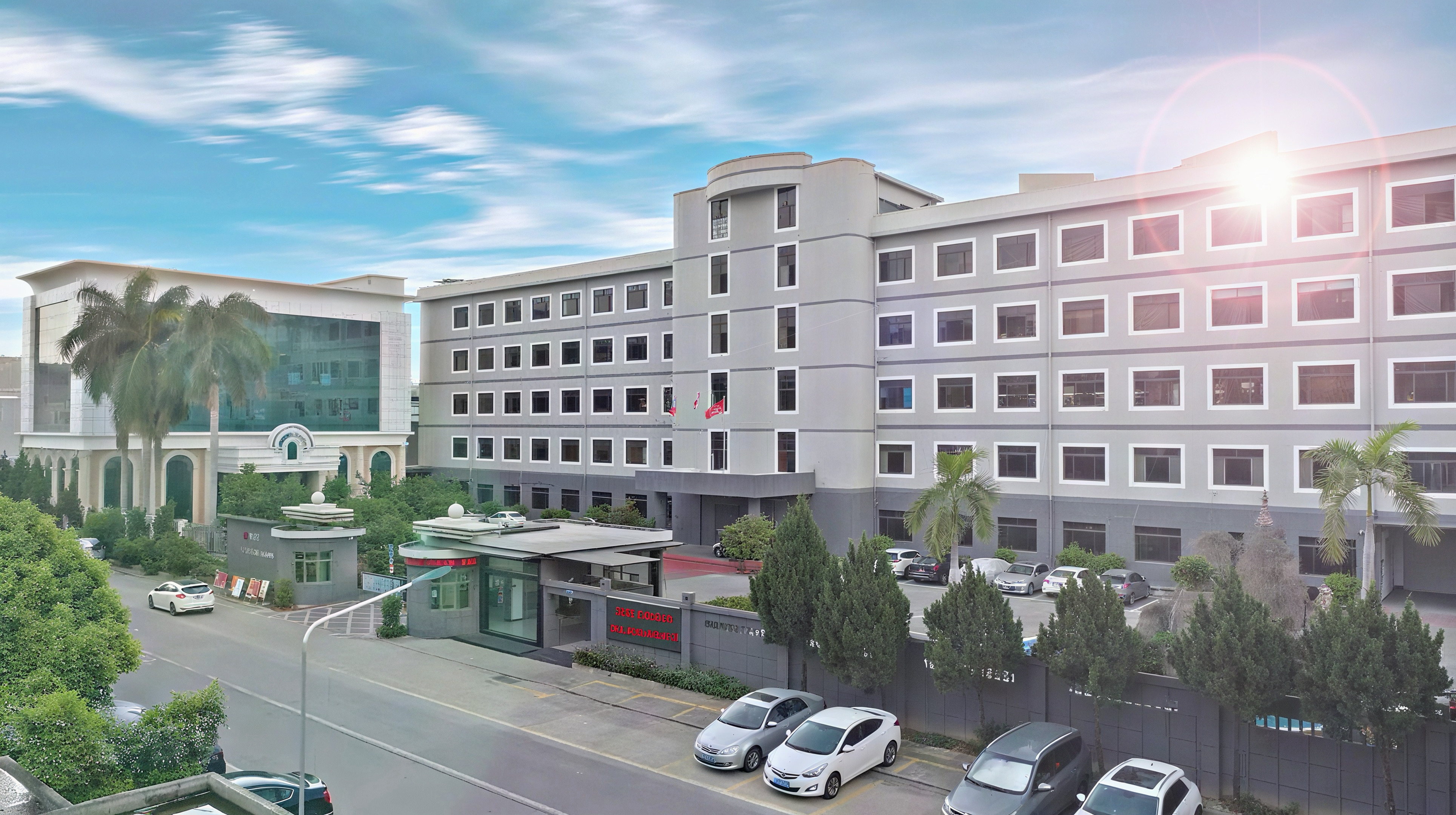
Engineering developments at Dongguan Shichuangli Zhihui Technology Co., Ltd. prioritize adaptable automation across a 1,600 square meter production facility. Backed by 18 years of manufacturing experience, mechanical developments include certified Utility Model Patents (such as Patent 202521984351.0 for automated hot stamping mechanisms) that integrate both planar and rotational positioning modules into standard frames.
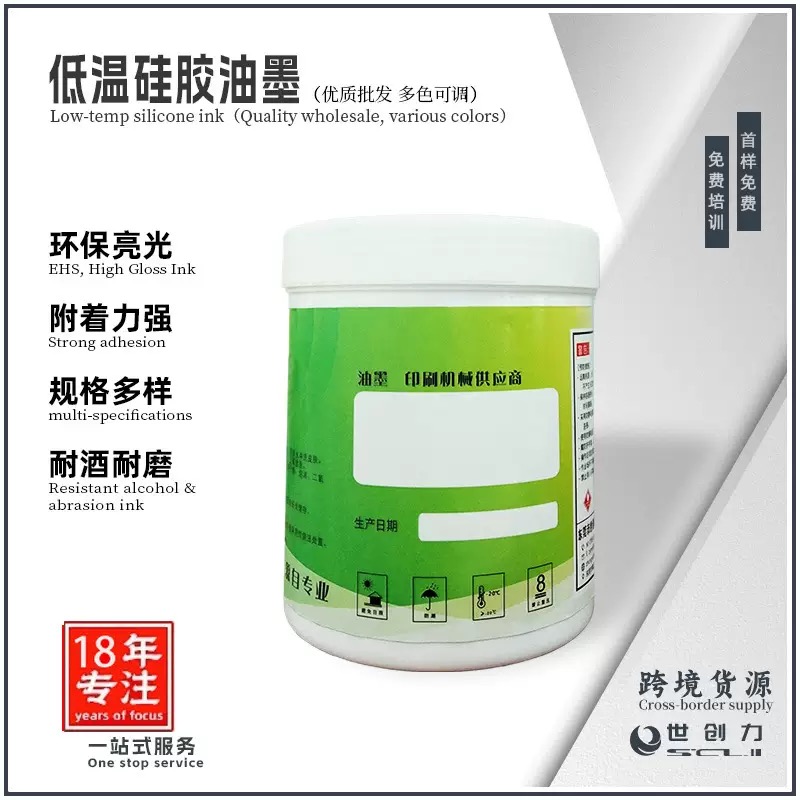
Substrate adhesion remains a critical operational parameter when executing multi-surface decoration. Specialized formulations like Shichuangli SCL-00YM low-temperature silicone ink provide high coloring power and customized viscosity for silicone components such as keypads, wristbands, and medical pads. Curing requires 90°C baking for 30 to 60 minutes to achieve complete vulcanization without distorting heat-sensitive polymers.
In practical field deployments—such as a distributor in Saudi Arabia customizing high-end hotel furnishings ranging from glass bottles to linen tags—hybrid tooling allows operators to execute screen printing, heat transfer, and gold stamping across diverse material types without installing multiple standalone machines.
Data/Solution Comparison
| Evaluation Parameter | Separate Flat & Round Machines | Hybrid Printing Systems |
|---|---|---|
| Equipment Footprint | Requires dual machine work cells | Single unified chassis |
| Tooling Changeover Time | 45–90 minutes per line transition | 10–20 minutes modular swap |
| Production Throughput | High volume on dedicated geometry | Moderate-to-high volume on mixed geometries |
| Capital Outlay | Higher total investment for two independent units | Optimized cost for single multi-functional unit |
| Substrate Compatibility | Fixed flat or cylindrical profile | Adaptable to flat, curved, and irregular profiles |
Frequently Asked Questions (FAQ)
Does a hybrid printer match the stroke speed of a dedicated flat screen printing press?
Dedicated flat screen printing presses achieve higher stroke speeds for continuous flat sheets. Hybrid units trade marginal peak speed for rapid conversion between flat and cylindrical fixtures.
What curing parameters are required for specialized inks on silicone substrates?
Low-temperature silicone ink formulations, such as SCL-00YM, require vulcanization baking at 90°C for 30 to 60 minutes to establish permanent adhesion on silicone buttons, wristbands, and pads.
How are cross-border logistics and packaging handled for precision printing equipment?
Standard units ship within 48 hours, while custom automated systems ship within one month. Equipment is packaged in reinforced wooden boxes via FBA ocean, air, or land freight with real-time tracking.
Final Conclusion & Recommendations
Hybrid printing machinery provides an efficient alternative for manufacturing facilities handling variable product lines, medium-scale batch sizes, and multi-geometry substrates. Dedicated flat and round machines remain optimal for static, continuous high-volume production. Standard machinery options carry a 48-hour dispatch lead time, backed by a one-year quality warranty and a 30-minute rapid technical response mechanism. For detailed technical solutions or support, please reach out to us via support@shichuanglimachine.com.
About Us
Dongguan Shichuangli Zhihui Technology Co., Ltd. was established in 2008 and operates a 1,600 square meter factory training base with 150 employees, including a 20-person engineering design team. Integrating 18 years of technical development, the company manufactures screen printing machines, pad printing machines, hot stamping systems, non-standard automation, and specialized inks certified under CNAS standards and CNAS quality protocols. Having served over 15,000 enterprises across 100 countries, the enterprise supports complete OEM/ODM customized production plans.
Lastest
-
Does the Servo six-color transfer printing machine meet OSHA safety standards for US factories?
2026-10-02 -
Are there eco-friendly alternatives to the Servo four-color shuttle transfer printing machine process?
2026-10-02 -
How do you handle defect rate claims for the 3050/5070 Flatbed Screen Printing Machine?
2026-10-02 -
What is the hourly output speed of a 4x6 fully automatic single-color transfer printing machine?
2026-10-02 -
What is the transit risk insurance coverage when buying Screen printing plates under CIF terms?
2026-10-02
SUBSCRIBE
INQUIRY