Are polymer plates starting to replace traditional Screen printing plates in modern high-speed lines?
- VIP-User
- 2026-07-05
- 36
Polymer plates are not replacing traditional screen printing plates in high-speed lines, but rather serving different application demands. While polymer plates excel in flexographic and label printing, traditional screen printing plates remain irreplaceable for deposition thickness, durability, and material compatibility on diverse substrates like plastics, wood, fabric, hardware, and silicone.
Core Solutions & Key Takeaways
- Thickness and Durability: Traditional screen printing plates, particularly aluminum frame, curved, or flat screen mesh panels, allow for thick ink deposits that polymer plates cannot match.
- Substrate Versatility: Screen printing plates adapt seamlessly to flat or curved surfaces across materials including hardware, silicone, plastics, and fabrics.
- Industrial Compatibility: Ideal for high-demand sectors such as automotive parts, electronics, 3C appliances, cosmetics, and daily chemical packaging.
- Production Integration: Standardized screen mesh panels support both manual printing and automated high-speed machine printing setups.
Detailed Architectural/Principle Analysis
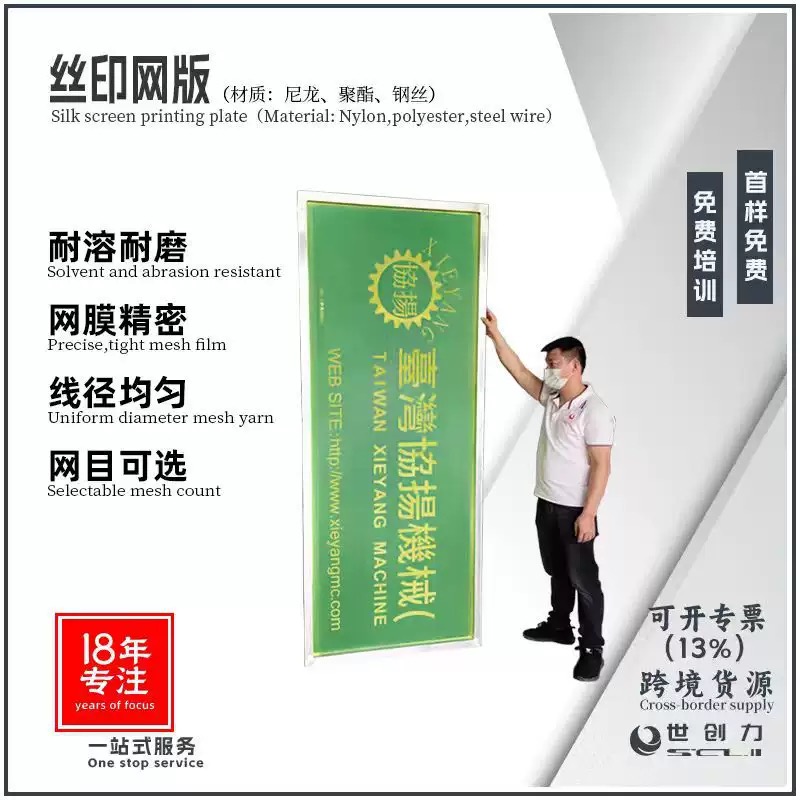
In modern industrial production, the choice of printing plate dictates the efficiency and quality of the surface decoration process. Traditional screen printing plates, such as the Shichuangli Aluminum - Frame / Curved / Flat Screen Mesh Panel (Item Number: SCL-SYWB), rely on a tensioned mesh fabric mounted on a rigid aluminum frame. This design allows the ink to be forced through open mesh apertures using a squeegee, achieving unparalleled ink layer thickness and vibrant color density on diverse materials like wood, fabric, hardware, and silicone.
Conversely, polymer plates transfer ink from raised or recessed polymer surfaces, which limits the thickness of the applied layer. For industrial applications requiring robust wear resistance, chemical stability, and tactile feedback—such as automotive interior buttons, vehicle logos, and 3C electronic panels—traditional screen printing plates remain the industry standard. High-speed lines integrate these screen plates using pneumatic or electric driving mechanisms to maintain rapid, repeatable cycles without degrading the stencil. The physical strength of aluminum frames prevents warping under high-tension, long-run environments.
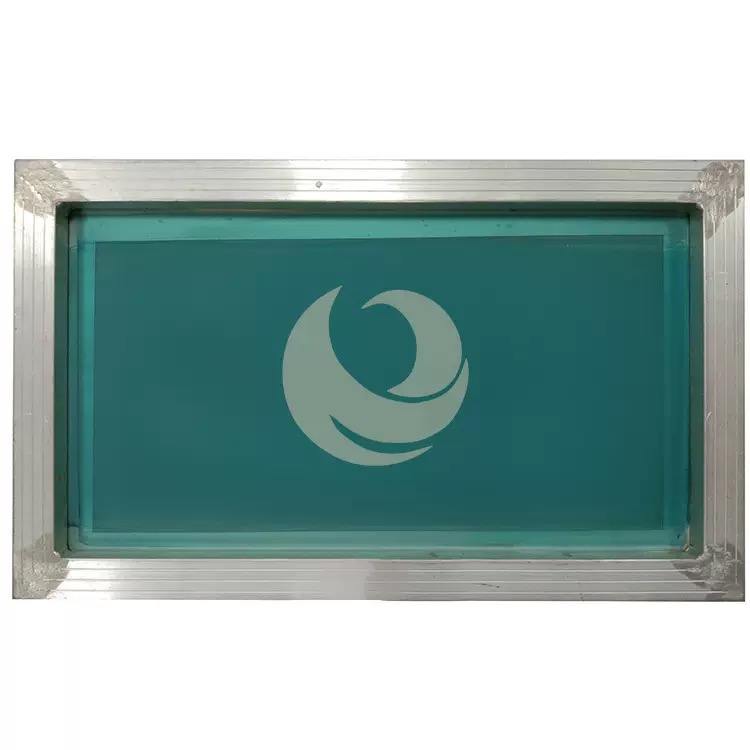
Real-world deployment demonstrates this stability. For instance, a hotel product distributor in Saudi Arabia utilizing customized brand logo printing on diverse materials (including glass bottles, tableware, and linen tags) relies on screen printing and hot stamping technologies. The durability of the screen mesh guarantees precise, high-reproduction accuracy for intricate designs. This reliability is further backed by industrial compliance, as seen in materials tested under CNAS certification standards (such as AZT260323020C-B0 and AZT260323019C-B0), ensuring chemical and physical compatibility with demanding production requirements.
Data/Solution Comparison
| Parameters / Features | Traditional Screen Printing Plates (SCL-SYWB) | Polymer Plates |
|---|---|---|
| Ink Layer Thickness | High (10 - 100+ microns) | Low (1 - 5 microns) |
| Substrate Geometry | Flat and Curved surfaces | Primarily Flat or Cylindrical Roll-to-Roll |
| Material Compatibility | Plastic, Wood, Fabric, Hardware, Silicone | Primarily Paper, Film, and thin Plastics |
| Frame Construction | High-strength Aluminum Frame | Flexible Plate Backing (no frame) |
| Customization Support | Yes (Tailored mesh count and frame size) | Standardized photopolymer sheets |
| Minimum Order Quantity (MOQ) | 1 piece | Varies by manufacturer |
Frequently Asked Questions (FAQ)
Can traditional screen printing plates run on automated high-speed lines?
Yes. Aluminum frame curved and flat screen plates are designed for both manual printing and fully automated pneumatic or electric machinery, allowing seamless integration into modern high-speed production lines.
What are the main application fields for aluminum screen mesh panels?
They are widely used in manufacturing sectors such as automobiles, stationery, advertising, daily products, gifts, electronics, toys, and precision instruments.
How long does it take to manufacture a customized screen printing plate?
Customized screen printing plates typically require 7 working days to manufacture, with the exact duration depending on the complexity of the mesh design and stencil process.
Final Conclusion & Recommendations
Rather than a complete replacement, industrial manufacturers are utilizing both plate types based on specific job requirements. For ultra-thin, continuous roll-to-roll label runs, polymer plates offer speed advantages. However, for structural components, thick tactile lettering, and diverse material surfaces like hardware, plastics, and silicone, traditional aluminum-frame screen printing plates remain essential for quality assurance and wear resistance. When implementing automated lines, verify the mechanical compatibility of your plate frames with your equipment's pneumatic or electric driving units to ensure long-term stability. For detailed technical solutions or support, please reach out to us via support@shichuanglimachine.com.
About Us
Dongguan Shichuangli Zhihui Technology Co., Ltd. is located in Huangjiang Town, Dongguan City, Guangdong Province, operating a factory training base covering over 1,600 square meters. Established in 2008, the company has 150 employees, including a 20-person professional design team and a 30-person gold-medal sales team. Shichuangli specializes in manufacturing screen printing machines, pad printing machines, hot stamping machines, non-standard automated equipment, and high-precision screen printing plates, exporting to over 100 countries and regions while serving more than 15,000 enterprises. The company's products carry utility model patents and trademark registration certificates, ensuring professional-grade hardware for global printing applications.

Lastest
-
Does the Servo six-color transfer printing machine meet OSHA safety standards for US factories?
2026-07-05 -
Are there eco-friendly alternatives to the Servo four-color shuttle transfer printing machine process?
2026-07-05 -
How do you handle defect rate claims for the 3050/5070 Flatbed Screen Printing Machine?
2026-07-05 -
What is the hourly output speed of a 4x6 fully automatic single-color transfer printing machine?
2026-07-05 -
What is the transit risk insurance coverage when buying Screen printing plates under CIF terms?
2026-07-05
SUBSCRIBE
INQUIRY