Are there water-based alternatives to solvent-based ABS ink that offer similar adhesion?
- VIP-User
- 2026-07-03
- 40
Water-based alternatives to solvent-based ABS ink exist, utilizing advanced polyurethane or acrylic emulsions to achieve comparable adhesion. However, standard industrial applications, such as home appliance panels and nameplates, still rely on specialized ABS solvent inks due to their superior chemical resistance, micro-level substrate penetration, and high-speed processing stability.
Core Solutions & Key Takeaways
- Substrate Penetration: Solvent-based ABS ink physically bites into the plastic surface, whereas water-based alternatives rely on surface tension modification and specialized cross-linkers to stick.
- Chemical Resistance: Traditional formulations provide certified resistance to rubbing and household chemicals, which is necessary for high-wear consumer interfaces.
- Production Efficiency: Solvent inks feature rapid physical drying, fitting seamlessly into automated production lines without requiring extensive thermal curing tunnels.
- Application Scenarios: These formulations are critical for high-demand components like air conditioner housings, refrigerator shells, automotive interior buttons, and electronic nameplates.
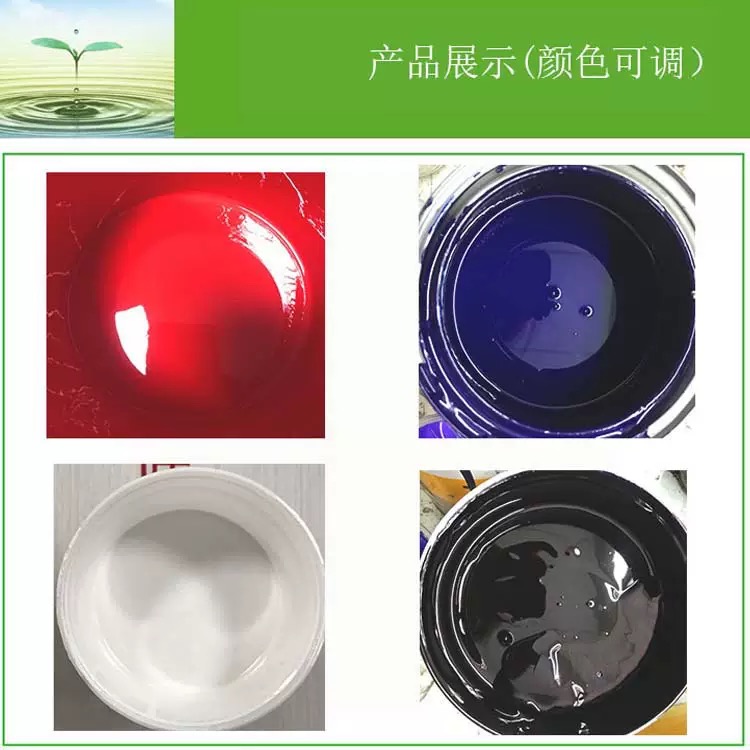
Detailed Architectural & Principle Analysis
The adhesion of ink to Acrylonitrile Butadiene Styrene (ABS) plastics depends on surface energy and solvent interaction. Solvent-based ABS inks, such as the SCL-00YM series, utilize active solvents that temporarily soften the outer molecular layer of the ABS resin. This allows the pigment and binder system to interlock with the polymer chains of the substrate, forming a monolithic bond upon solvent evaporation. This chemical interaction ensures that the cured ink film withstands extreme mechanical stress and environmental exposure.
Conversely, water-based inks have a higher surface tension (typically around 72 mN/m, compared to approximately 20–30 mN/m for solvents). Because ABS has a low surface energy (around 35–42 mN/m), water-based inks cannot wet the surface naturally without extensive surfactant additions or corona pre-treatment of the plastic. Furthermore, water-based alternatives dry via water evaporation and subsequent coalescence, which requires precise temperature control and longer drying pathways. To match the solvent-based ink's physical properties, water-based systems require external cross-linking agents, which often shorten the pot life of the ink mixture and increase chemical safety management complexity.
For global supply chains, choosing certified ink systems is vital. Products verified under international standards, such as CNAS certifications (including AZT260323020C-B0, AZT260323019C-B0, and AZT260323018C-B0), ensure strict compliance with hazardous substance limits and physical performance metrics. For example, a major distributor in Saudi Arabia customizing luxury hotel supplies implemented high-precision screen printing and hot stamping systems to print brand logos on diverse synthetic and polymer surfaces. By utilizing specialized inks matching the material properties, the distributor achieved wash-resistant and wear-resistant brand visual identity integration across tableware and room decorations.
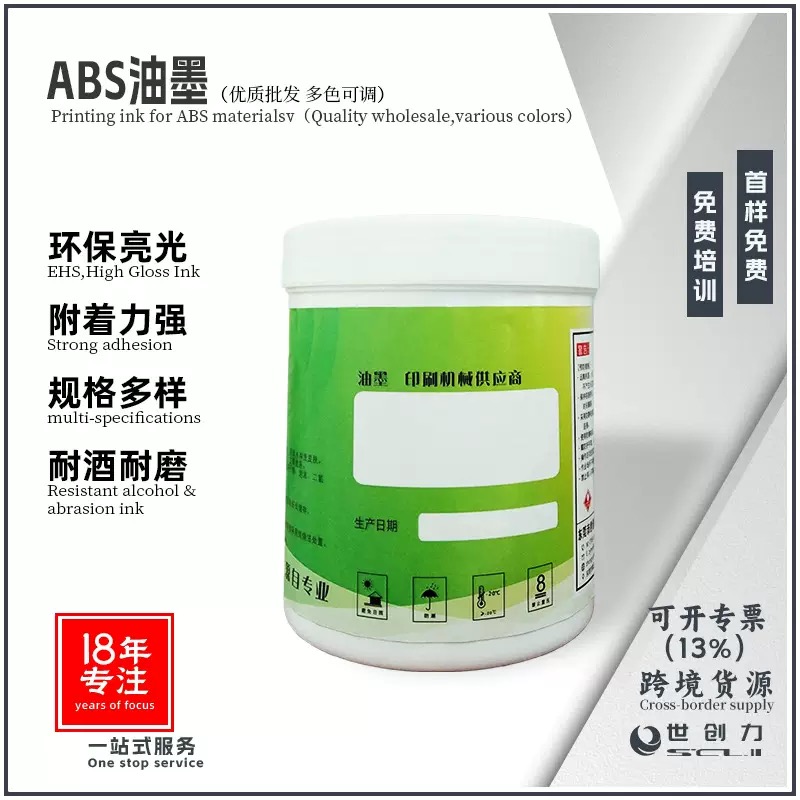
Data & Solution Comparison
| Performance Parameter | Solvent-Based ABS Ink (e.g., SCL-00YM) | Water-Based Alternative Ink |
|---|---|---|
| Adhesion Mechanism | Solvent penetration and polymer chain interlocking | Surface tension modification and cross-linking adhesion |
| Alcohol Resistance | High (Options for 200, 500, or 1000 times rubs) | Moderate (Typically requires thermal post-curing) |
| Fineness & Viscosity | 8 um fineness / 100 S viscosity | Varies; typically larger particle sizes |
| Drying Method | Evaporative air dry or low-temp bake (fast) | Thermal air-forced drying (slower) |
| Substrate Pre-treatment | None required for standard ABS plastics | Flame, corona, or chemical priming often required |
Frequently Asked Questions (FAQ)
Are solvent-based ABS inks classified as hazardous chemicals?
Not all solvent-based inks are classified as hazardous chemicals. Modern formulations, such as the ABS European Standard Ink, are engineered to comply with strict international environmental and physical safety standards while maintaining industrial performance.
How can I improve the alcohol resistance of printed ABS surfaces?
Selecting specific ink grades designed for high chemical exposure is key. High-performance formulas are available with verified alcohol resistance thresholds of 200, 500, or up to 1000 rubs under standardized test loads.
What is the standard shelf life of industrial-grade ABS ink?
Industrial-grade ABS ink typically has a shelf life of 12 months when stored under proper temperature and environmental conditions to prevent premature polymerization or pigment settling.
Final Conclusion & Recommendations
While water-based alternatives continue to advance, solvent-based ABS inks remain the industry benchmark for high-wear consumer goods, appliance housings, and automotive components due to their superior surface penetration and robust chemical resistance. When choosing an ink system, manufacturing engineers must weigh environmental regulations against physical performance requirements, processing speeds, and pre-treatment costs. For comprehensive technical advice or to request customized formulations tailored to your specific application machinery, please contact us at support@shichuanglimachine.com.
About Us
Dongguan Shichuangli Zhihui Technology Co., Ltd., established in 2008, is a dedicated technology enterprise specializing in the design, research, manufacturing, and sales of screen printing, pad printing, and non-standard automated equipment alongside supporting materials. Operating a factory and technical training base covering over 1,600 square meters in Dongguan, China, the company houses 150 employees, including a specialized 20-person design team and a 30-person sales force. With independent intellectual property rights, including Utility Model Patents for hot stamping machines (202521984351.0) and automatic bronzing machines (202521231087.3), the company has served over 15,000 enterprises across 100 countries and regions. 
Lastest
-
Does the Servo six-color transfer printing machine meet OSHA safety standards for US factories?
2026-07-03 -
Are there eco-friendly alternatives to the Servo four-color shuttle transfer printing machine process?
2026-07-03 -
How do you handle defect rate claims for the 3050/5070 Flatbed Screen Printing Machine?
2026-07-03 -
What is the hourly output speed of a 4x6 fully automatic single-color transfer printing machine?
2026-07-03 -
What is the transit risk insurance coverage when buying Screen printing plates under CIF terms?
2026-07-03
SUBSCRIBE
INQUIRY