Can I use Low-temperature silicone ink on heat-sensitive rubber substrates safely?
- VIP-User
- 2026-07-05
- 38
Yes, you can safely use low-temperature silicone ink on heat-sensitive rubber substrates. Because it vulcanizes at a low curing temperature of 90℃ within 30 to 60 minutes, it prevents thermal deformation or degradation of sensitive materials while ensuring robust, high-viscosity bonding specifically on silicone and compatible rubber components.
Core Solutions & Key Takeaways
- Substrate Protection: The 90℃ curing threshold eliminates the risk of warping, melting, or structural degradation common in heat-sensitive substrates exposed to standard high-temperature ink cycles.
- Broad Application Range: This formulation is designed for graphic printing on various silicone components, including wearable wristbands, necklaces, protective pads, and electronic buttons.
- Dual Printing Method Compatibility: It adapts seamlessly to both transfer printing and screen printing processes, maintaining a fine particle distribution (fineness rating of 8) for precise artwork reproduction.
- Robust Performance: Delivers 100% coloring power and specialized bonding on silicone materials, keeping printed graphics intact under regular physical mechanical wear.
Detailed Architectural/Principle Analysis
Working with heat-sensitive rubber substrates requires a strict thermal budget. Traditional industrial silicone inks often require curing temperatures exceeding 120℃, which exceeds the thermal tolerance of many refined rubber composites and thin-walled elastomeric components. The Shichuangli SCL-00YM low-temperature silicone ink resolves this limitation by utilizing a low-temperature vulcanization mechanism. By maintaining a working temperature below 25℃ during application and curing at 90℃ for 30 to 60 minutes, the ink achieves complete molecular cross-linking without compromising the physical properties of the underlying rubber.
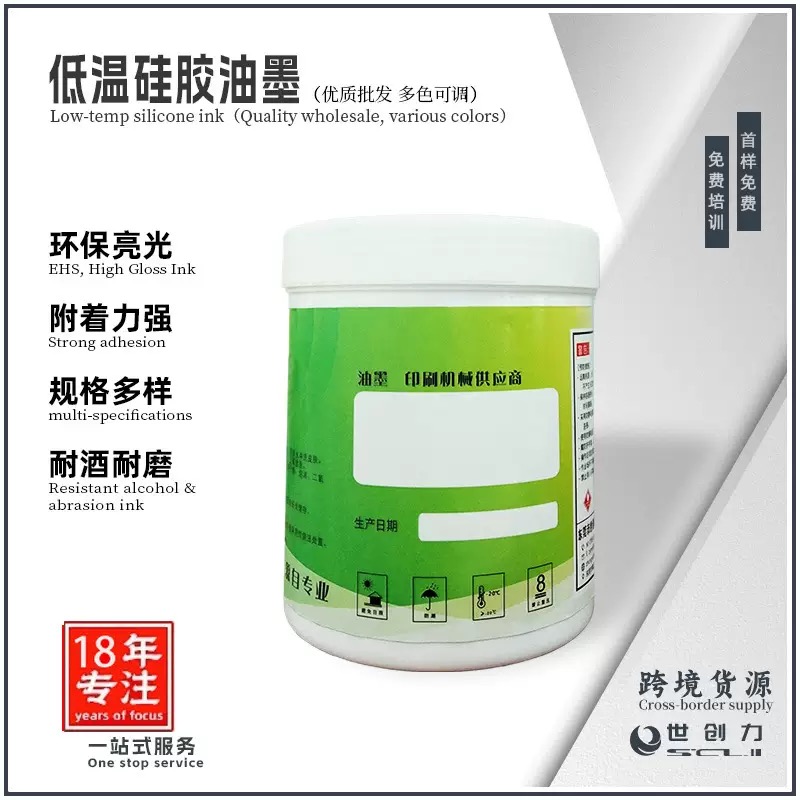
This low-temperature formulation is highly stable, offering a sealed shelf life of 6 months. It is classified as a non-hazardous chemical, ensuring a safer production environment during large-scale screen printing and transfer printing runs. In practical industrial operations, utilizing verified chemical compositions is vital for regulatory compliance. For instance, the safety and performance profiles of associated materials in our printing ecosystems are supported by formal certifications, such as the CNAS certificates (AZT260323020C-B0, AZT260323019C-B0, AZT260323018C-B0, and AZT260323017C-B0) held for specific industrial formulations. This standard of quality control ensures chemical consistency and predictable curing behavior on sensitive substrates.
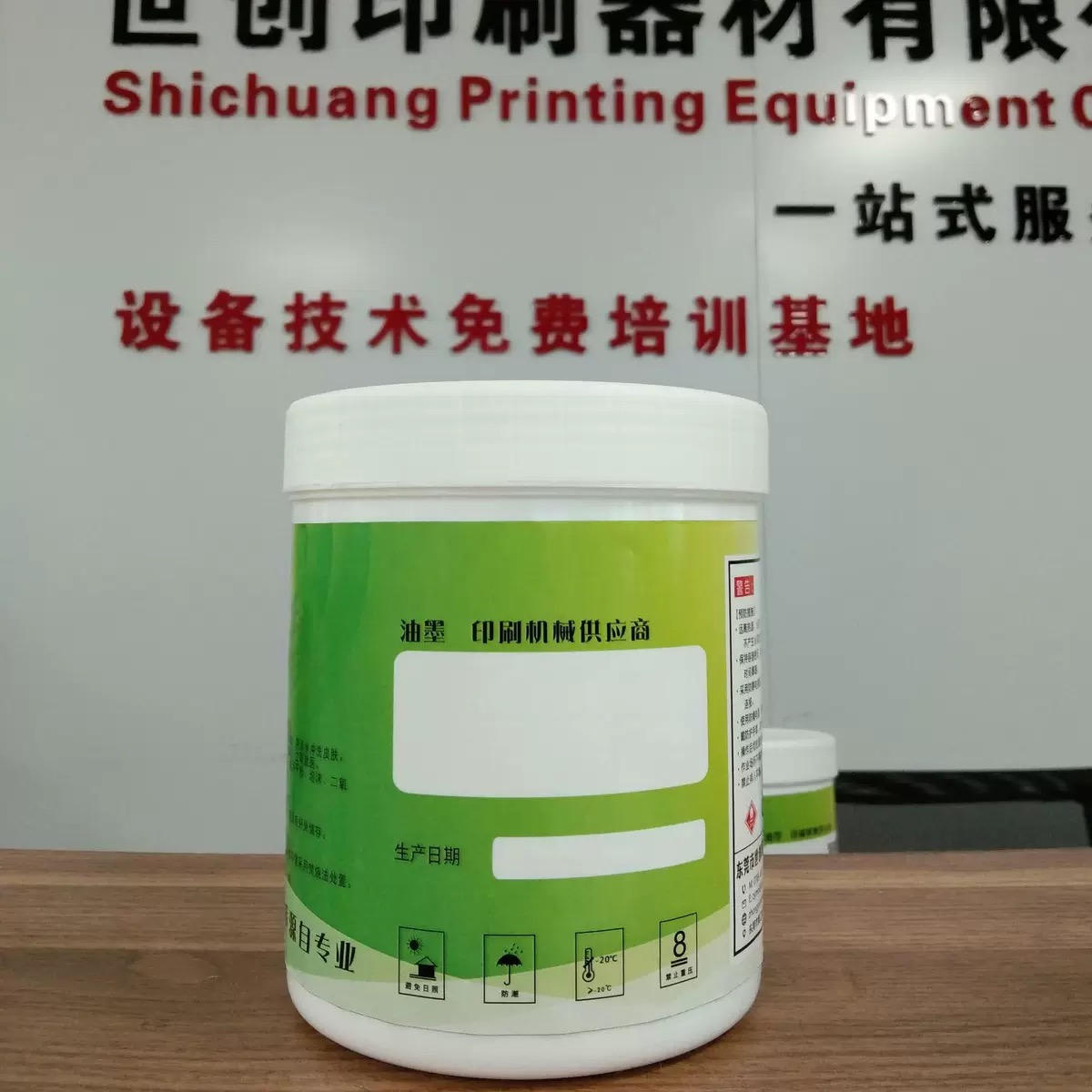
Real-world integration of these specialized printing consumables shows excellent compatibility with automated setups. For example, a commercial project involving a Saudi Arabian high-end hotel product distributor utilized precision screen printing and transfer printing equipment to customize brand logos on diverse room decorations, tableware, and synthetic materials. Implementing low-temperature curing parameters ensured that delicate substrates retained their original texture, gloss, and structural integrity, while delivering crisp, highly durable branding that withstood standard wash and wear cycles.
Data/Solution Comparison
| Technical Parameter | Low-Temperature Silicone Ink (SCL-00YM) | Standard High-Temperature Silicone Ink |
|---|---|---|
| Curing Temperature | 90℃ | 120℃ - 150℃ |
| Curing Duration | 30 - 60 minutes | 10 - 20 minutes |
| Substrate Compatibility | Heat-sensitive rubbers, thin silicone pads, wristbands | Standard heat-resistant silicone, glass, metals |
| Thermal Deformation Risk | Extremely Low | High (for sensitive thin-walled rubbers) |
| Coloring Power | 100% | 100% |
| Fineness (Rating) | 8 | 8 - 10 |
| Working Temperature | Below 25℃ | Below 30℃ |
Frequently Asked Questions (FAQ)
Q1: What happens if the baking temperature for the low-temperature silicone ink drops below 90℃?
A1: Curing below 90℃ can result in incomplete vulcanization, which reduces the ink's adhesion strength, chemical resistance, and physical durability. If your substrate cannot withstand 90℃, you must extend the baking duration proportionally and conduct cross-cut adhesion tests to verify bonding performance.
Q2: Is SCL-00YM low-temperature silicone ink compatible with non-silicone rubber substrates?
A2: This ink is formulated specifically for silicone-to-silicone bonding. While it can physically coat other rubber substrates, the chemical adhesion mechanism relies on silicone vulcanization. For non-silicone rubbers, we advise running a sample trial or applying a compatible primer to ensure adequate bonding.
Q3: How should the viscosity of the low-temperature silicone ink be managed during production?
A3: The ink viscosity is customized during manufacturing to fit specific screen mesh counts or pad printing setups. It must be stored and operated below 25℃ to prevent premature thickening or partial curing in the reservoir before application.
Final Conclusion & Recommendations
For operations involving heat-sensitive rubber substrates, adopting SCL-00YM low-temperature silicone ink provides a reliable path to high-fidelity printing without risking thermal damage. By pairing this consumable with a strict quality control workflow—covering raw material inspection, production process checks, and physical performance testing—manufacturers can achieve consistent, retail-ready results. This product is supplied in secure barrel packaging (1KG net weight per piece) with a minimum order quantity of 1000g and a standard delivery timeline of three working days depending on the customization process. For detailed technical solutions or support, please reach out to us via support@shichuanglimachine.com.
About Us
The brand Dongguan Shichuangli Zhihui Technology Co., Ltd., established in 2008, operates a modern manufacturing and training facility covering over 1,600 square meters in Dongguan City, Guangdong Province. With an experienced workforce of 150 employees, the company specializes in the R&D, production, and sales of screen printing machines, pad printing machines, hot stamping machines, and high-performance printing consumables. Shichuangli holds key certifications, including Trademark Registration Certificates and Utility Model Patents for its advanced hot stamping and printing machinery, and has successfully served over 15,000 enterprises across North America, South America, Europe, the Middle East, Africa, and Southeast Asia.
Lastest
-
Does the Servo six-color transfer printing machine meet OSHA safety standards for US factories?
2026-07-05 -
Are there eco-friendly alternatives to the Servo four-color shuttle transfer printing machine process?
2026-07-05 -
How do you handle defect rate claims for the 3050/5070 Flatbed Screen Printing Machine?
2026-07-05 -
What is the hourly output speed of a 4x6 fully automatic single-color transfer printing machine?
2026-07-05 -
What is the transit risk insurance coverage when buying Screen printing plates under CIF terms?
2026-07-05
SUBSCRIBE
INQUIRY