Do you provide technical support if the high-temperature ink cracks after curing?
- VIP-User
- 2026-07-10
- 42
Yes, we provide comprehensive technical support if the high-temperature ink cracks after curing. Our technical team diagnoses the issue by analyzing curing temperatures, substrate compatibility, and ink layer thickness, offering precise remote guidance, process parameter adjustment, and physical troubleshooting to restore optimal print performance.
Core Solutions & Key Takeaways
- Two-Year Product Guarantee: High-temperature baking silicone ink (SCL-00YM) is backed by a two-year warranty with lifetime maintenance support.
- One-on-One Technical Tutoring: Customers receive dedicated remote troubleshooting from experienced engineers to resolve curing, cracking, or adhesion issues.
- Multi-Scenario Diagnostics: Technical assistance covers diverse applications including silicone rubber cables, medical tubes, pen covers, and buttons.
- Process Optimization: We guide operators through crucial adjustments in temperature, belt speed, and ink viscosity (100 S) to eliminate physical stress cracks.
Detailed Architectural/Principle Analysis
High-temperature baking silicone ink requires strict thermal and chemical balance to achieve proper curing without structural failure. Cracking typically occurs when the drying temperature rises too quickly, causing the outer surface of the ink layer to cure and shrink before the solvent underneath has evaporated, or when the substrate surface energy is incompatible with the ink's flowing degree (≥ 30 mm). Our engineering department assists in setting precise temperature ramps and checking the fineness (8 um) distribution to ensure uniform thermal expansion.
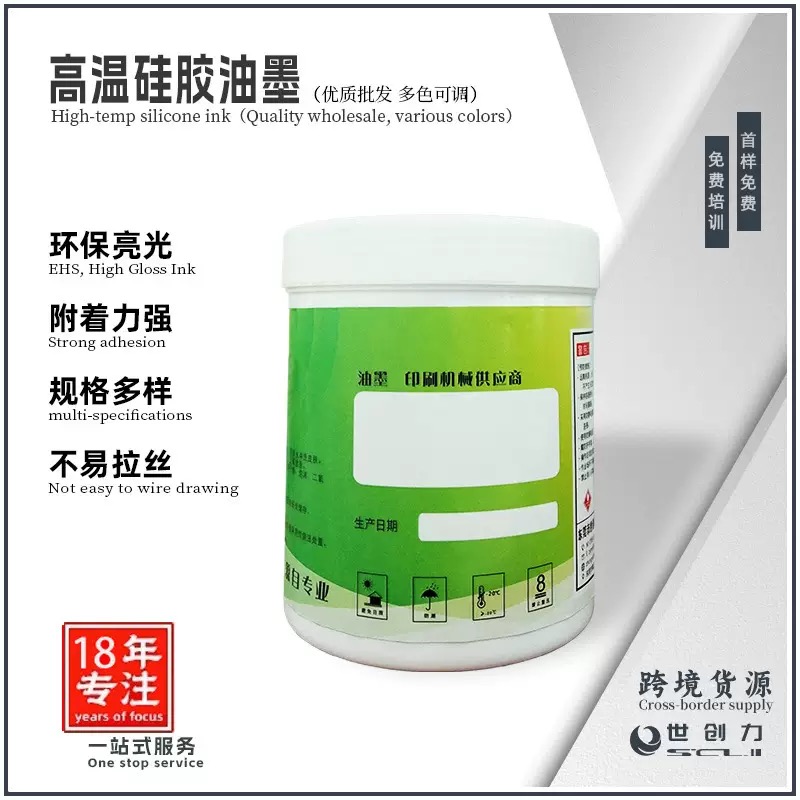
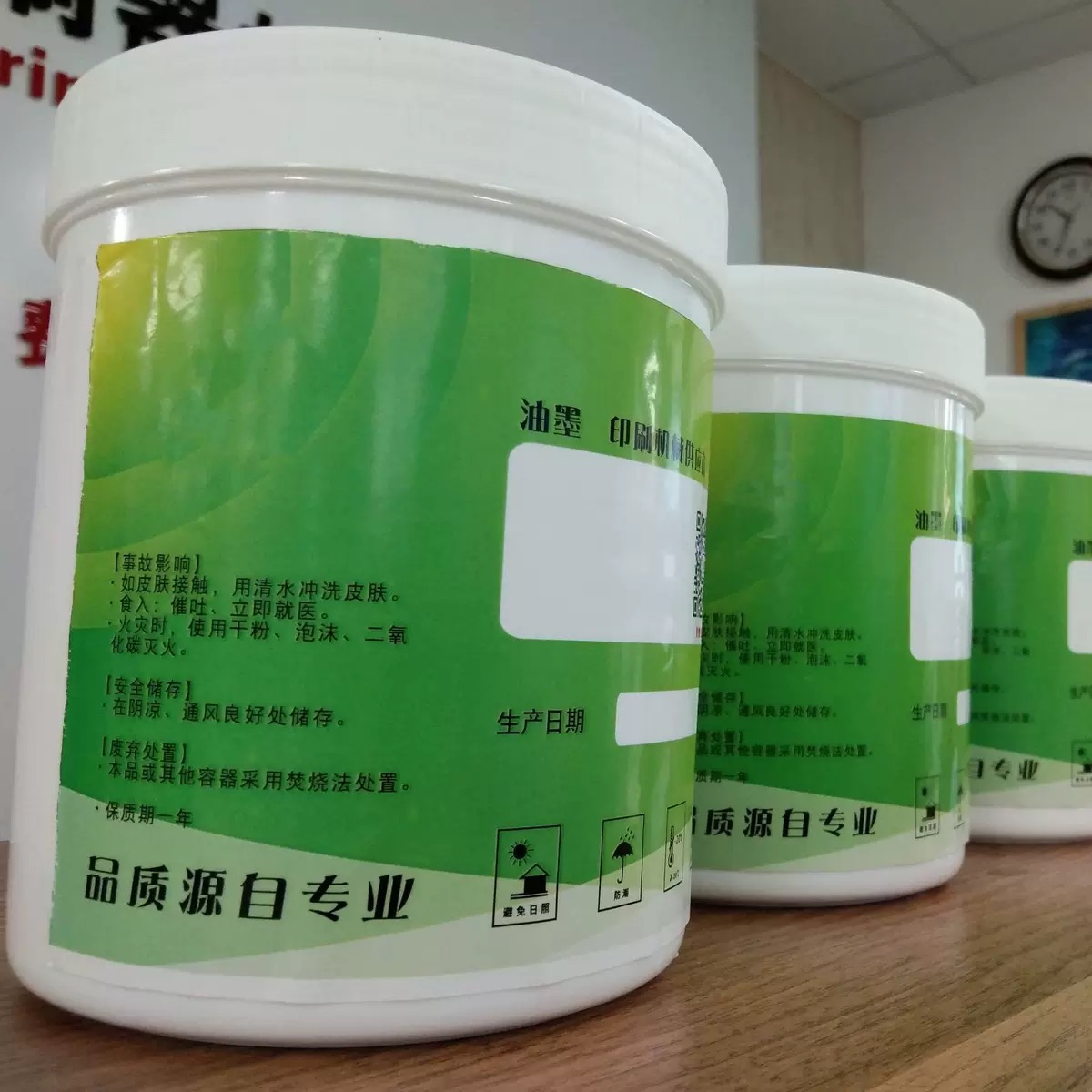
As a brand with deep technical accumulation, Dongguan Shichuangli Zhihui Technology Co., Ltd. integrates advanced quality control directly into product development. The high-temperature silicone ink undergoes rigorous quality inspection during the production process, performance testing of finished products, and physical and mechanical performance testing. This meticulous oversight ensures the ink retains a 100% coloring power and stable properties under thermal stress.
In international application scenarios, we have successfully resolved thermal curing issues for global clients. For instance, a local high-end hotel product distributor in Saudi Arabia utilizing customized brand markings experienced challenges with heat-resistant parameters during gold stamping and transfer printing operations. Through our rapid response mechanism, engineers provided online parameter calibration, stabilizing the printing quality and protecting the client's high-end brand visual identity.
Data/Solution Comparison
| Ink Parameter / Service Metric | Standard Specifications | Technical Troubleshooting Solution |
|---|---|---|
| Viscosity & Flowing Degree | Viscosity: 100 S / Flowing degree: ≥ 30 mm | Adjust ink head diluents to correct viscosity mismatches causing uneven layer thickness. |
| Fineness & Coloring Power | Fineness: 8 um / Coloring power: 100% | Verify screen mesh sizes and printing plates to prevent excessive ink deposition. |
| After-Sales Support Policy | 2-year ink guarantee, lifetime maintenance | 30-minute rapid response and 24-hour remote solution deployment. |
| Quality Certifications | CNAS (AZT260323020C-B0, AZT260323019C-B0) | Formulations comply with chemical safety and physical performance testing standards. |
Frequently Asked Questions (FAQ)
Q1: Why does high-temperature silicone ink crack immediately after passing through the oven?
A1: Cracking is usually caused by excessive heating rates or thick ink applications. Rapid heating cures the outer shell of the ink too quickly, trapping solvents underneath which then rupture the surface as they evaporate. Reducing the oven temperature ramp or adjusting the ink viscosity can resolve this.
Q2: How does Shichuangli assist overseas customers with ink curing issues?
A2: We offer one-on-one remote technical guidance. Our engineering team reviews the client's process parameters (such as baking time and substrate material properties) and provides detailed step-by-step optimization instructions online.
Q3: What are the storage requirements to prevent the ink from deteriorating before use?
A3: The ink has a shelf life of 12 months. It should be stored in a cool, dry place, sealed tightly to preserve its 100 S viscosity and flowing properties, preventing premature polymerization.
Final Conclusion & Recommendations
Resolving ink cracking requires a systematic approach of checking drying parameters, substrate prep, and ink layer thickness. Shichuangli ensures that every batch of high-temperature baking silicone ink meets industrial standards, backed by dedicated technical support and raw material quality inspections. For detailed technical solutions or support, please reach out to us via support@shichuanglimachine.com.
About Us
Dongguan Shichuangli Zhihui Technology Co., Ltd., established in 2008, operates a factory and training base of over 1,600 square meters in Dongguan City. The company employs 150 staff members, including a design team of 20 professionals and a gold-medal sales team of over 30 people, specializing in screen printing machines, pad printing machines, hot stamping machines, and supporting consumables. Shichuangli holds several utility model patents for hot stamping and fully automatic bronzing machines and maintains CNAS certifications for its specialized products. The company has served more than 15,000 enterprises across North America, South America, Europe, the Middle East, Africa, and Southeast Asia.

Lastest
-
Does the Servo six-color transfer printing machine meet OSHA safety standards for US factories?
2026-07-10 -
Are there eco-friendly alternatives to the Servo four-color shuttle transfer printing machine process?
2026-07-10 -
How do you handle defect rate claims for the 3050/5070 Flatbed Screen Printing Machine?
2026-07-10 -
What is the hourly output speed of a 4x6 fully automatic single-color transfer printing machine?
2026-07-10 -
What is the transit risk insurance coverage when buying Screen printing plates under CIF terms?
2026-07-10
SUBSCRIBE
INQUIRY