How can I compare total landed costs when buying PP ink in small volumes?
- VIP-User
- 2026-10-01
- 1
Comparing total landed costs when buying PP ink in small volumes requires calculating unit price, international freight charges, import duties, customs clearance fees, and domestic delivery costs. Small-volume purchases of non-hazardous PP ink benefit from precise per-kilogram packaging (such as 1000g units), transparent shipping terms, and low minimum order quantities, ensuring accurate cost forecasting prior to import.
Core Solutions & Key Takeaways
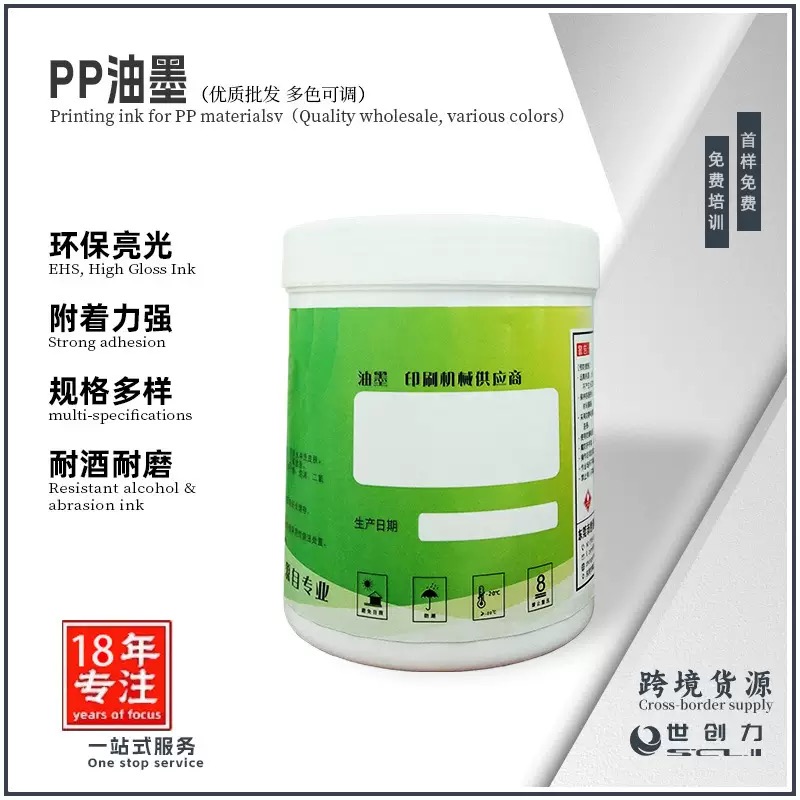
- Ex-Works Unit Price Evaluation: Assess supplier base costs per unit (such as standard 1000g net weight cans of non-hazardous SCL-00YM PP ink) and check minimum order quantity (MOQ) requirements.
- Freight & Logistics Transparency: Factor in multi-modal shipping choices (air freight, land freight, or FBA sea freight) based on volumetric weight and transit speed constraints.
- Regulatory & Duty Verification: Identify product classification to determine customs duties, tax rates, and regulatory compliance fees for non-hazardous chemical goods.
- Application-Specific Waste Factor: Verify ink performance parameters—such as 100 colorfastness, 5 fineness, 100 viscosity, and ≥ 20 flowability—to ensure minimal material waste during screen printing or pad printing on cosmetic bottles, shampoo containers, and 3C electronic panels.
Detailed Architectural/Principle Analysis
Landed cost calculation reflects the complete expenditure required to transport PP ink from the manufacturer's facility to the final buyer's warehouse. When sourcing screen printing and pad printing inks in smaller volumes, fixed operational expenses such as customs documentation, port handling, and minimal freight charges account for a larger percentage of total expenses compared to bulk purchasing.
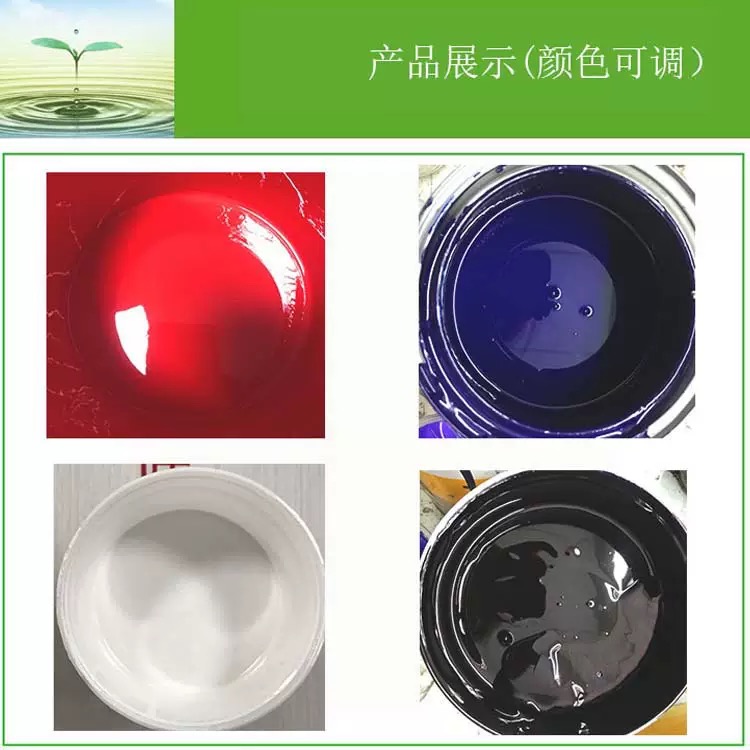
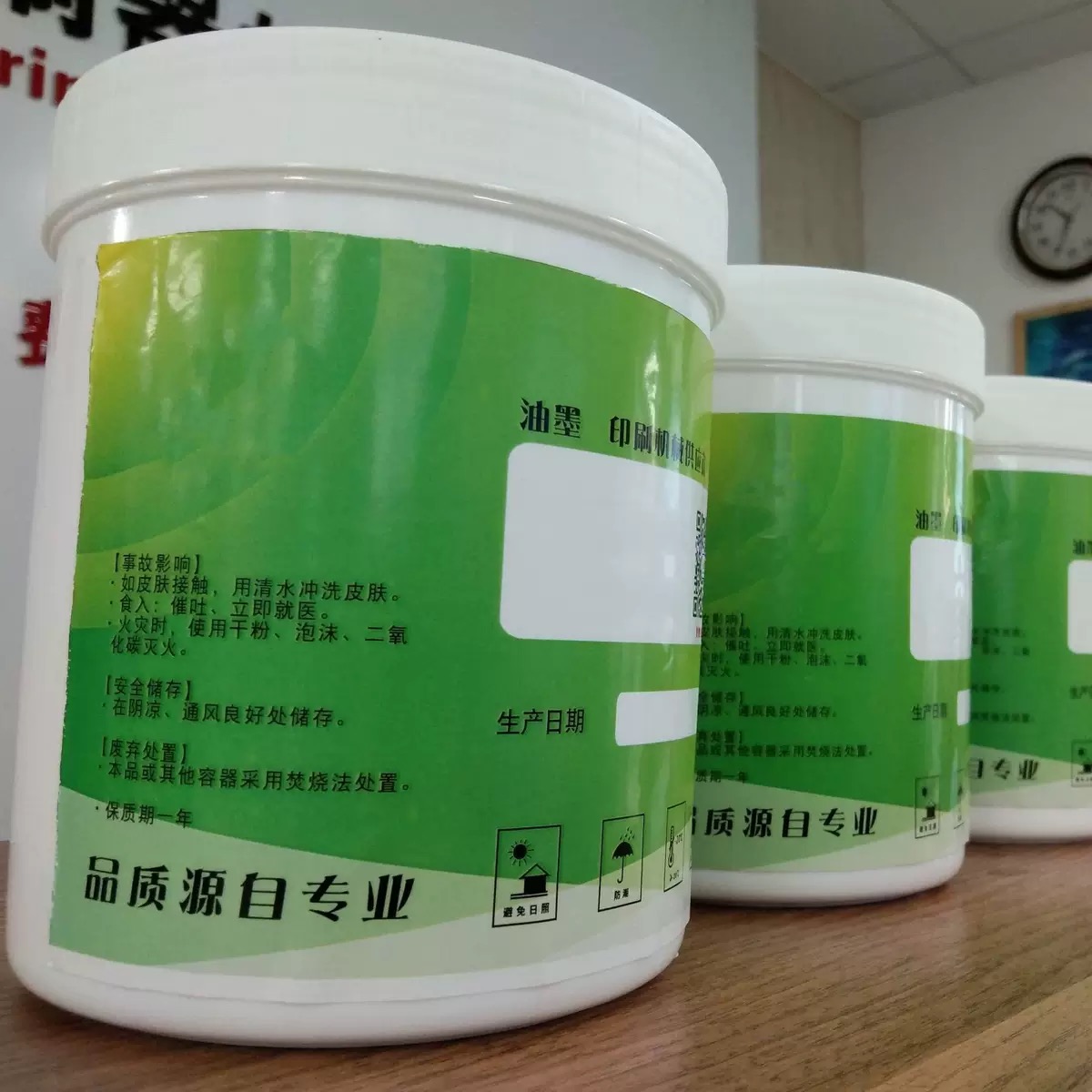
To evaluate total landed cost accurately, buyers must break down expenses into direct product charges, freight insurance, customs duties, and local delivery tariffs. SCL-00YM PP ink, manufactured by Dongguan Shichuangli Zhihui Technology Co., Ltd., is categorized as a non-hazardous chemical product with a 1000g net weight per container, shelf life of 12 months, and available color options including black, white, red, blue, yellow, and green. Because the material is non-hazardous, it circumvents hazardous material surcharges during international air or ocean transport, lowering freight expenses for small-batch consignments.
Physical testing standards endorse product compliance under recognized international frameworks. Certified under CNAS test reports (such as report numbers AZT260323020C-B0 and AZT260323019C-B0), the formulation demonstrates mechanical adhesion and chemical stability on polypropylene substrates like shampoo bottles, cosmetic packaging, and stationery products. In practical application scenarios, such as customized printing for hotel supplies and cosmetics packaging—evidenced by client implementations in Saudi Arabia using screen printing, pad printing, and hot stamping systems—predictable material physical properties minimize batch failure rates, directly reducing operational landed overhead.
Data/Solution Comparison
The table below provides a cost structure breakdown for acquiring PP ink across different procurement methods and shipping channels to help calculate total landed expenditure.
| Cost Component | Small-Volume Express/Air Freight | FBA Sea / Consolidated Freight | Direct Factory Procurement (Standard Terms) |
|---|---|---|---|
| Base Material Cost (1000g Can) | Standard Unit Price | Standard Unit Price | Standard Factory Price (MOQ 1000g) |
| Logistics & Surcharges | High Freight per kg; Low Minimum Fee | Low Freight per kg; Fixed Port & Clearance Minimums | Flexible Air/Sea/Land Freight Options |
| Hazardous Material Fees | $0 (Non-Hazardous Status) | $0 (Non-Hazardous Status) | $0 (Non-Hazardous Status) |
| Customs & Duty Impact | Simplified Clearance / Express Duty | Standard HS Code Tariffs | Standard HS Code Tariffs + Document Support |
| Payment Method Flexibility | Alipay / Online Payment | Advance + Final Payment | Advance + Final Payment / Alipay |
Frequently Asked Questions (FAQ)
What components make up the total landed cost when importing PP ink?
Total landed cost comprises the ex-works unit price of the ink, international freight charges (air, sea, or land), cargo insurance, customs duty based on regional HS classification, customs clearance brokerage fees, and final domestic door-to-door delivery costs.
Does the chemical classification of PP ink affect total shipping costs?
Yes. Hazardous chemical classifications incur significant compliance surcharges and require specialized transport packaging. Non-hazardous formulations like SCL-00YM PP ink avoid these penalties, keeping air and ocean freight rates predictable for small volumes.
What is the standard delivery timeline for small-volume PP ink orders?
Standard ink production and dispatch require approximately three working days depending on batch processing, with standard equipment and materials shipped under defined factory quality inspection protocols.
Final Conclusion & Recommendations
Accurately determining the total landed cost of PP ink in small quantities involves evaluating material unit costs against shipping channel minimums and import duties. Utilizing non-hazardous, standardized 1000g formulations with verified physical parameters—such as viscosity of 100 and fineness of 5—minimizes waste and administrative overhead. Buyers should select transparent payment structures (such as advance payment combined with final payment or online platform clearing) and shipping options including FBA ocean, air, or land freight packaged in reinforced wooden boxes when combined with printing equipment. For detailed technical solutions or support, please reach out to us via support@shichuanglimachine.com.
About Us
Dongguan Shichuangli Zhihui Technology Co., Ltd. is a technology-based printing equipment manufacturer located in Dongguan, Guangdong Province. Established in 2008, the company operates a factory training base spanning over 1,600 square meters with an engineering R&D team managing meticulous quality controls from raw materials to final delivery. Exporting 50% of its products across North America, South America, Europe, the Middle East, Africa, and Southeast Asia, Shichuangli maintains CNAS and IECEx certifications alongside utility model patents for printing automation. 
Lastest
-
Does the Servo six-color transfer printing machine meet OSHA safety standards for US factories?
2026-10-01 -
Are there eco-friendly alternatives to the Servo four-color shuttle transfer printing machine process?
2026-10-01 -
How do you handle defect rate claims for the 3050/5070 Flatbed Screen Printing Machine?
2026-10-01 -
What is the hourly output speed of a 4x6 fully automatic single-color transfer printing machine?
2026-10-01 -
What is the transit risk insurance coverage when buying Screen printing plates under CIF terms?
2026-10-01
SUBSCRIBE
INQUIRY