How do I switch a flat round dual-purpose screen printing machine from flat to round mode?
- VIP-User
- 2026-08-13
- 27
To switch a flat round dual-purpose screen printing machine from flat to round mode, replace the flat worktable with a rotary fixture attachment, disengage the flat drive linkage, and engage the rotary synchronization gear mechanism. Adjust the screen stroke, align the squeegee over the rotational axis center, and update the control panel settings to cylindrical printing mode.
Core Solutions & Key Takeaways
- Mechanical Worktable Swap: Remove the flat vacuum or clamping platform and install the rotary drive roller fixture designed for circular or conical objects.
- Drive Linkage Reconfiguration: Engage the rack-and-pinion rotary transmission mechanism to synchronize the linear movement of the screen frame with the rotational motion of the substrate.
- Alignment and Sensor Setup: Position the squeegee directly above the apex line of the cylinder and reset mechanical limit switches for round stroke parameters.
- Control System Toggle: Select cylindrical/round mode on the control panel to activate rotation timing and squeegee pressure profiles.
Detailed Architectural & Step-by-Step Analysis
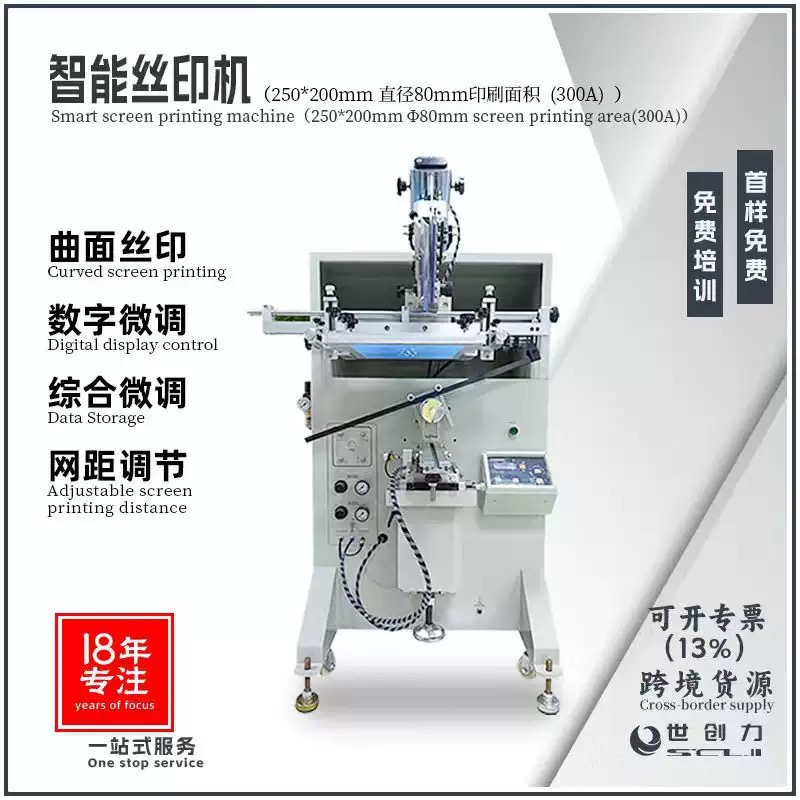
Dual-purpose screen printing machinery manufactured by Dongguan Shichuangli Zhihui Technology Co., Ltd., such as the SCL-300A, SCL-400A, and SCL-800A models, integrates both flat bed and cylindrical printing capabilities within a unified mechanical frame. Converting the equipment from flat mode to round mode requires systematic mechanical adjustments to maintain linear-to-rotational synchronization.
Flat printing relies on a static worktable where the screen frame moves across a flat plane. Cylindrical mode requires the substrate (such as cosmetic bottles, glass containers, or daily necessity packaging) to rotate synchronously while the screen frame moves horizontally. The conversion process consists of four physical phases:
1. Fixture Disassembly and Rotary Installation: Unbolt the flat aluminum bed. Mount the rotary fixture, which includes adjustable bearing rollers or conical holding mandrels. The SCL-400A model supports cylindrical diameters up to 100mm, while the SCL-300A handles diameters up to 80mm.
2. Gear and Transmission Coupling: Connect the rack gear beneath the screen frame to the rotary gear wheel on the fixture assembly. This mechanical coupling ensures that every millimeter of horizontal screen movement yields an exact surface rotation distance on the substrate, preventing graphic distortion.
3. Squeegee Centralization: Lower the squeegee assembly and align the rubber blade edge directly over the top center axis of the round substrate. Correct vertical alignment prevents ink bleed and ensures consistent transfer pressure across curved surfaces.
4. System Parameter Configuration: Switch the operational mode on the control interface from flat to semi-automatic or fully automatic cylindrical printing. Adjust the stroke length to equal the outer circumference of the target object.
In practice, client applications demonstrate the versatility of this transition. For instance, a dedicated distributor serving the high-end hotel sector in Saudi Arabia uses SCL dual-purpose screen printers to handle both flat hotel room signage and round glass amenity bottles on the same production line, switching modes to maintain precise brand visual identity across diverse materials.
Data/Solution Comparison
| Parameter / Feature | Flat Printing Mode | Round (Cylindrical) Printing Mode |
|---|---|---|
| Target Geometry | Flat surfaces, panels, cards, sheet materials | Circular, cylindrical, and conical objects |
| Drive Mechanism | Stationary bed with linear screen travel | Synchronized rotary rack-and-pinion drive |
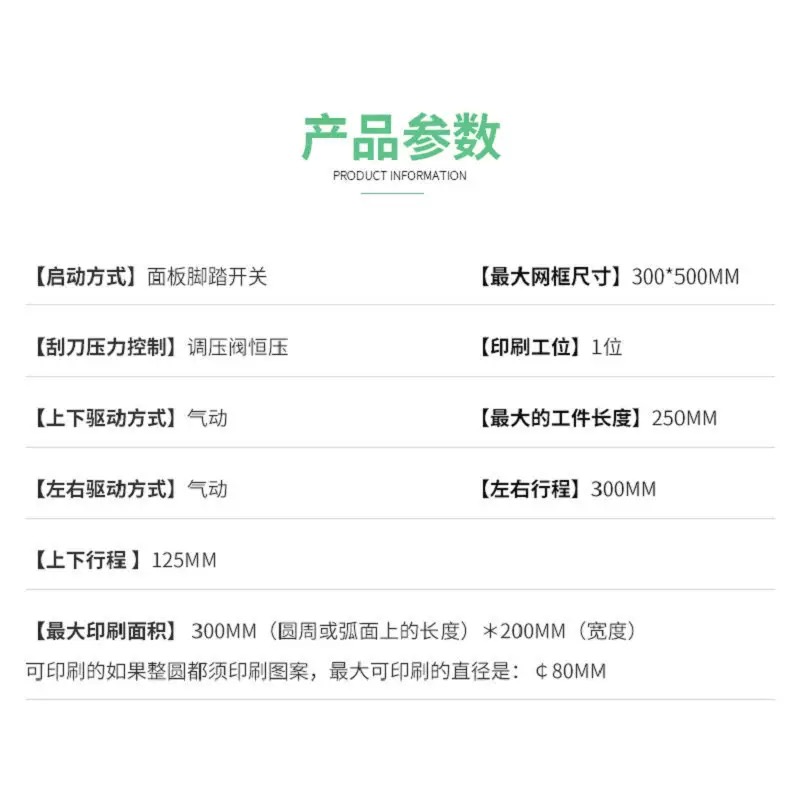
| Maximum Printing Dimensions (SCL-300A) | 200 x 250 mm | Diameter up to 80 mm |
| Maximum Printing Dimensions (SCL-400A) | 200 x 350 mm | Diameter up to 100 mm |
| Substrate Capacity Range | Substrate thickness up to 120 mm | Substrate diameter up to 100 mm |
| Fixture Type | Flat vacuum table / mechanical clamp | Rotary drive rollers / conical mandrel |
Frequently Asked Questions (FAQ)
Q1: What causes graphic stretching when printing in round mode?
A1: Graphic stretching occurs when the linear stroke speed of the screen frame does not match the surface speed of the rotating object. Disalignment between the rack gear and the rotary fixture diameter causes continuous slip. Matching the gear pitch radius with the substrate radius resolves graphic distortion.
Q2: Can flat round dual-purpose screen printing machines handle conical items?
A2: Yes. Models like the SCL-300A and SCL-400A support conical printing by angling the rotary mounting bracket so the upper edge of the cone sits parallel to the screen plane while adjusting squeegee contact pressure.
Q3: What quality control checks are required after switching modes?
A3: Operational checks include raw material quality inspection, physical and mechanical performance testing, structural safety and appearance inspection, and initial dry-run registration testing prior to full production runs.
Final Conclusion & Recommendations
Converting a flat round dual-purpose screen printing machine requires replacing the flat worktable with a rotary fixture, engaging the gear synchronization linkage, centralizing the squeegee over the rotational axis, and updating control parameters. Proper calibration prevents graphic deformation and ensures multi-surface versatility for applications in 3C electronics, cosmetic packaging, daily chemicals, and automotive components. Standard equipment orders are dispatched within standard factory lead times, supported by multi-modal cross-border transport options including FBA sea freight, air freight, and land freight. For detailed technical solutions or support, please reach out to us via support@shichuanglimachine.com.
About Us
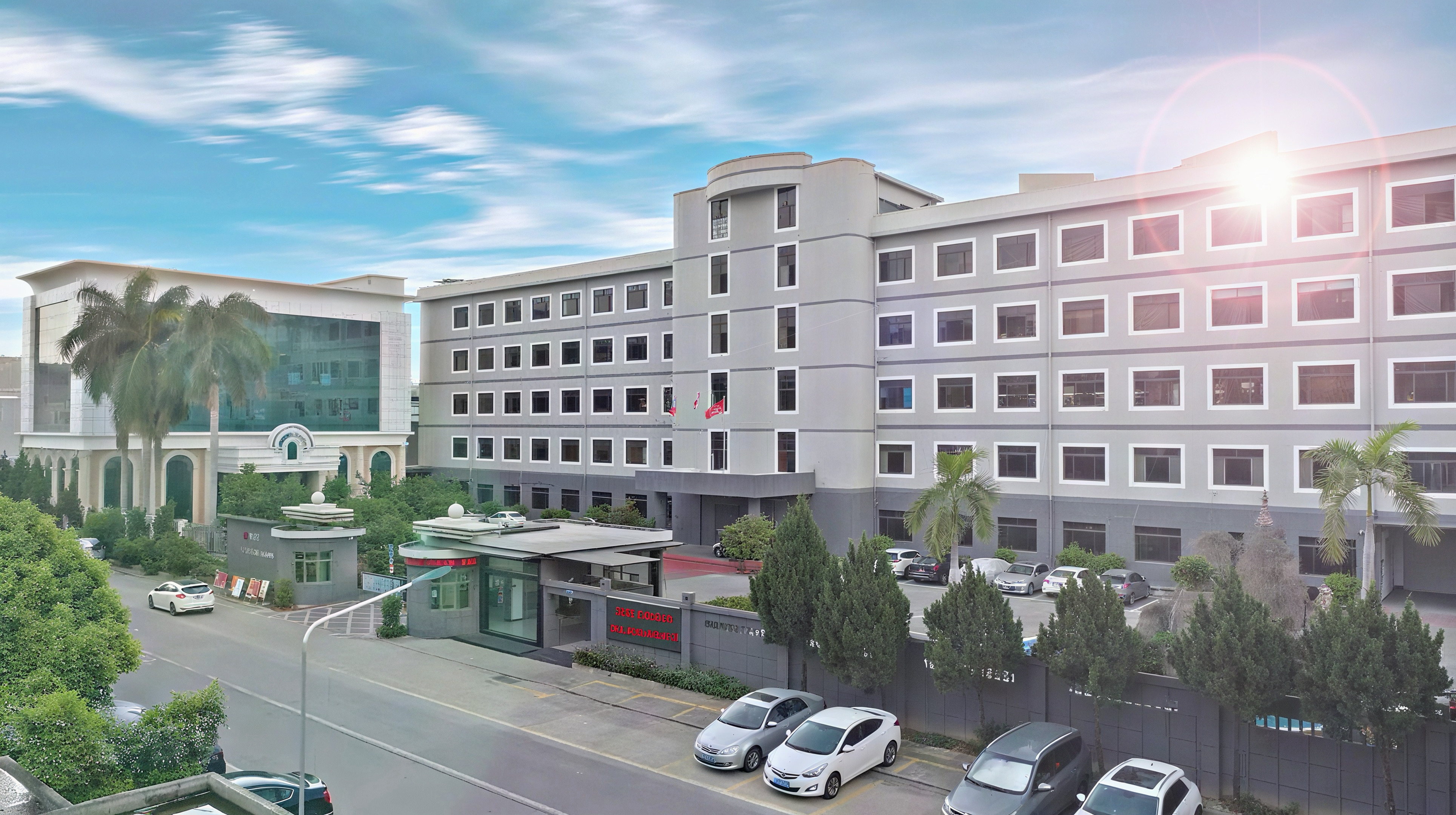
Dongguan Shichuangli Zhihui Technology Co., Ltd. is located in Huangjiang Town, Dongguan City, Guangdong Province, operating a factory training base covering over 1,600 square meters. Established in 2008, the company houses 150 employees, including a professional design team of 20 specialists, focusing on screen printing, pad printing, hot stamping, and non-standard automation machinery. The enterprise maintains CNAS and IECEx certifications and has served more than 15,000 clients across North America, South America, Europe, the Middle East, Africa, and Southeast Asia.

Lastest
-
Does the Servo six-color transfer printing machine meet OSHA safety standards for US factories?
2026-08-13 -
Are there eco-friendly alternatives to the Servo four-color shuttle transfer printing machine process?
2026-08-13 -
How do you handle defect rate claims for the 3050/5070 Flatbed Screen Printing Machine?
2026-08-13 -
What is the hourly output speed of a 4x6 fully automatic single-color transfer printing machine?
2026-08-13 -
What is the transit risk insurance coverage when buying Screen printing plates under CIF terms?
2026-08-13
SUBSCRIBE
INQUIRY