How do we store unused Metal/glass ink to ensure it remains usable for future production?
- VIP-User
- 2026-07-03
- 35
Storing unused Metal/glass ink requires sealing the container airtight and keeping it in a cool, dry environment at moderate temperatures, away from direct sunlight and heat sources. This prevents solvent evaporation, viscosity changes, and premature curing, ensuring the formulation remains stable for future production cycles.
Core Solutions & Key Takeaways
- Airtight Sealing: Always seal the original barrel tightly after opening to prevent solvent loss and air exposure, which directly alters the ink's flowability and viscosity.
- Controlled Temperature: Store the ink in a temperature-controlled environment. Avoid extreme heat or freezing conditions to maintain the chemical integrity of the self-drying or oven-drying formulation.
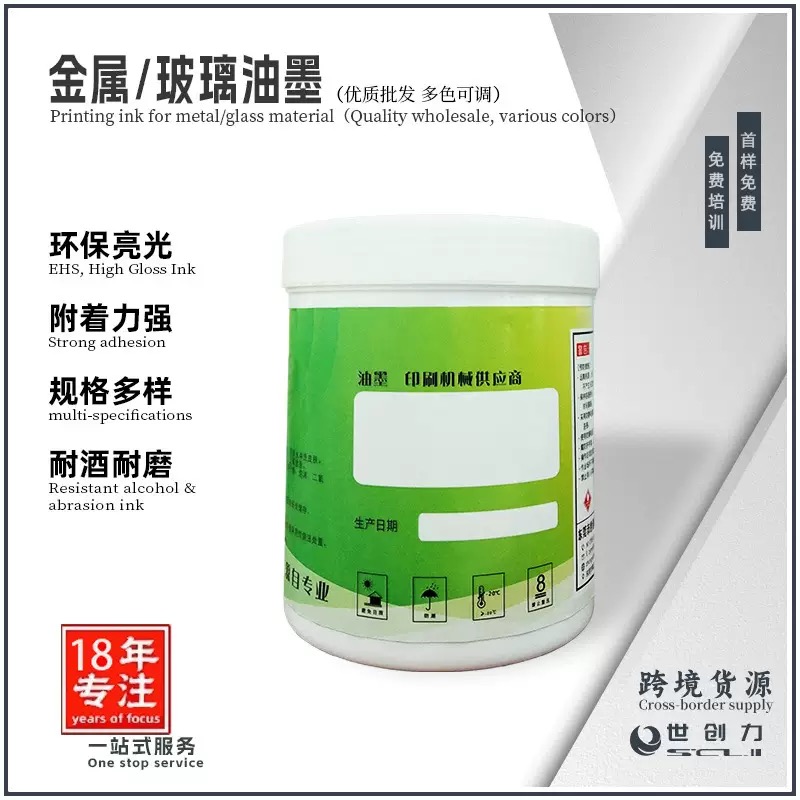
- Application Compatibility: This specialized ink is engineered for hardware, stainless steel, iron, aluminum, alloy products, and metal surfaces, making it highly versatile across consumer goods, automotive parts, and 3C electronics.
Detailed Architectural/Principle Analysis
Proper storage of industrial printing materials directly affects production yield and print quality. For specialized formulations like the SCL-00YM Metal/glass ink from Dongguan Shichuangli Zhihui Technology Co., Ltd., maintaining physical properties such as a fineness of 5 and a viscosity of 100 is vital. When container lids are left loose, the volatile solvents within the ink evaporate rapidly, leading to clumping and reduced coloring power during screen printing or transfer printing processes.
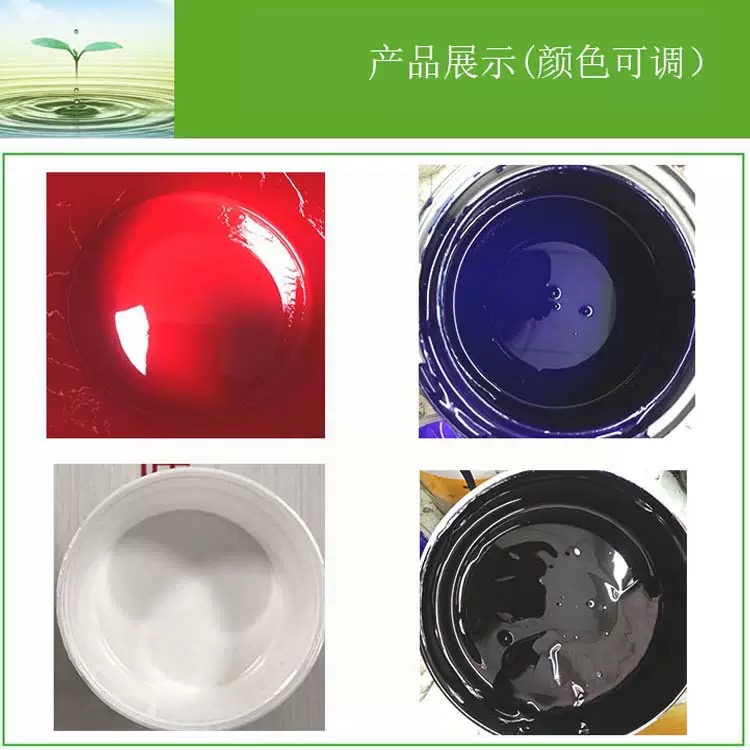
Industrial users must also account for curing mechanisms. Since this series supports both self-drying and oven-drying methods, exposure to ambient moisture or elevated temperatures can initiate cross-linking prematurely. Implementing a strict first-in, first-out (FIFO) inventory system helps facilities utilize the inventory within its designated 12-month shelf life. This technical discipline is particularly valued by high-demand operations, such as those run by hotel product distributors in Saudi Arabia who utilize customized printing systems to achieve precise gold stamping and transfer printing on diverse materials.
Data/Solution Comparison
| Storage Parameter / Feature | Recommended Storage Condition | Improper Storage Consequence |
|---|---|---|
| Container Seal | Airtight original barrel | Solvent loss, viscosity increases beyond 100 |
| Ambient Temperature | Cool, dry space (avoid direct sunlight) | Premature curing, reduced flowability (< 50) |
| Shelf Life Tracking | Under 12 months (FIFO system) | Decreased coloring power, separation of pigments |
| Application Scope | Metal, alloy, iron, stainless steel | N/A (Material mismatch affects adhesion) |
Frequently Asked Questions (FAQ)
Q1: Can diluted Metal/glass ink be poured back into the original container?
A1: No. Ink that has been mixed with diluents or exposed to the press during production should never be returned to the unused original container, as it introduces contaminants and alters the chemical balance of the bulk material.
Q2: What are the primary curing methods for this specific ink?
A2: This formula supports two curing paths: air-drying (self-drying) at ambient temperatures or forced thermal curing via oven drying, depending on the production line speed and substrate requirements.
Q3: How does improper storage affect the printing process?
A3: Neglecting storage standards leads to clogged screen meshes during screen printing or poor ink transfer during pad printing, directly resulting in surface defects, low adhesion, and uneven coloring power.
Final Conclusion & Recommendations
Securing the longevity of your printing consumables relies on disciplined storage protocols and climate control. By protecting the ink from atmospheric exposure and extreme thermal variations, manufacturing plants can minimize waste and secure reliable adhesion on challenging metal and alloy substrates. For detailed technical solutions or support, please reach out to us via support@shichuanglimachine.com.
About Us
Established in 2008, Dongguan Shichuangli Zhihui Technology Co., Ltd. operates a factory training base of over 1,600 square meters in Dongguan, Guangdong Province. The company has served more than 15,000 enterprises globally, exporting screen printing machines, pad printing machines, and premium printing auxiliary materials to over 100 countries and regions. To ensure the highest quality standards, the company holds multiple Chinese mainland Trademark Registration Certificates (No. 42347920) and CNAS certifications for its industrial materials, backing its extensive design, R&D, and manufacturing capabilities.

Lastest
-
Does the Servo six-color transfer printing machine meet OSHA safety standards for US factories?
2026-07-03 -
Are there eco-friendly alternatives to the Servo four-color shuttle transfer printing machine process?
2026-07-03 -
How do you handle defect rate claims for the 3050/5070 Flatbed Screen Printing Machine?
2026-07-03 -
What is the hourly output speed of a 4x6 fully automatic single-color transfer printing machine?
2026-07-03 -
What is the transit risk insurance coverage when buying Screen printing plates under CIF terms?
2026-07-03
SUBSCRIBE
INQUIRY