How does the thickness of a Transfer-printed steel plate affect its unit price?
- VIP-User
- 2026-07-04
- 37
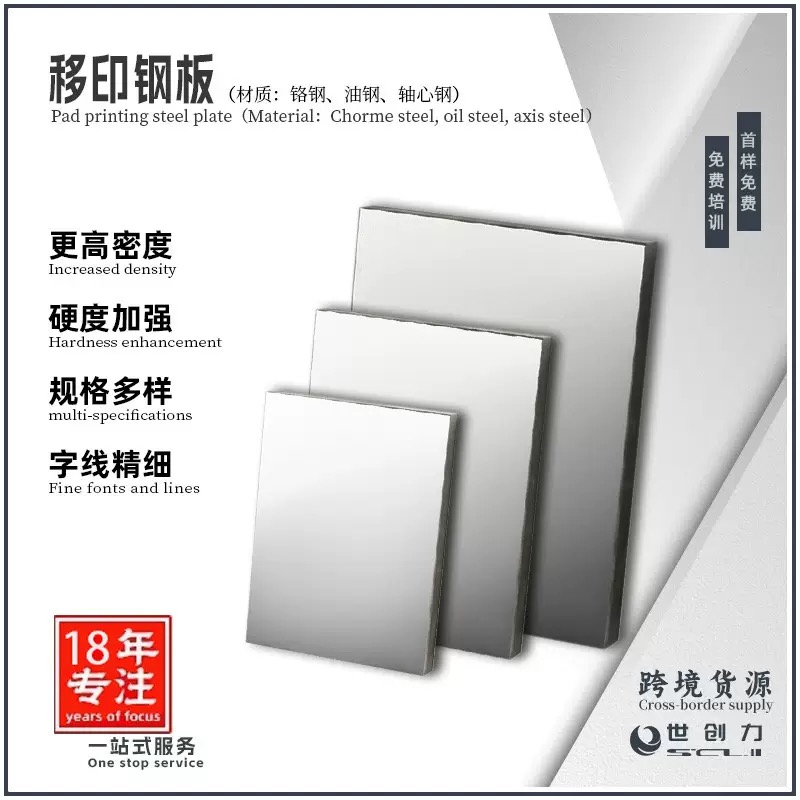
The thickness of a Transfer-printed steel plate directly dictates its material cost, durability, and processing complexity, which subsequently determines its unit price. Thicker plates require more raw tool steel, extended etching times, and specialized precision grinding, resulting in a higher initial purchase cost but offering a significantly longer operational lifespan.
Core Solutions & Key Takeaways
- Material Volume and Base Cost: Thicker steel plates require more raw tool steel, which increases the baseline material expense before any custom etching or surface treatment occurs.
- Manufacturing and Etching Precision: Creating precise depth control on thicker plates demands specialized processing, which increases manufacturing labor and machinery wear.
- Durability and Reusability: Thicker plates resist bending, withstand repeated doctor blade scraping, and allow for multiple re-grinding and re-etching cycles, offering lower long-term costs.
- Application Compatibility: Standard thicknesses fit general pad printing machines, while custom extra-thick or thin plates are engineered for specialized automotive, 3C electronics, or toy manufacturing setups.
Detailed Architectural/Principle Analysis
The thickness of a Transfer-printed steel plate (such as the SCL-YYGB model) is a fundamental engineering parameter. During pad printing, the doctor blade or ink cup constantly glides across the plate surface under mechanical pressure. If a plate is too thin, the downward pressure can cause micro-bending, leading to uneven ink scraping and accelerated wear. Thicker plates maintain absolute flatness, ensuring consistent ink transfer depth across high-volume production runs.
From a manufacturing standpoint, deeper chemical etching on thicker plates requires strict temperature and time controls to prevent lateral undercutting of the artwork. This technical rigor translates to different pricing tiers. Industrial buyers often balance the upfront premium of thick plates against their structural longevity. For instance, in demanding fields like automotive interior buttons, medical instruments, and 3C electronic housings, maintaining image registration over millions of cycles makes thicker, high-grade steel plates the most cost-effective choice.
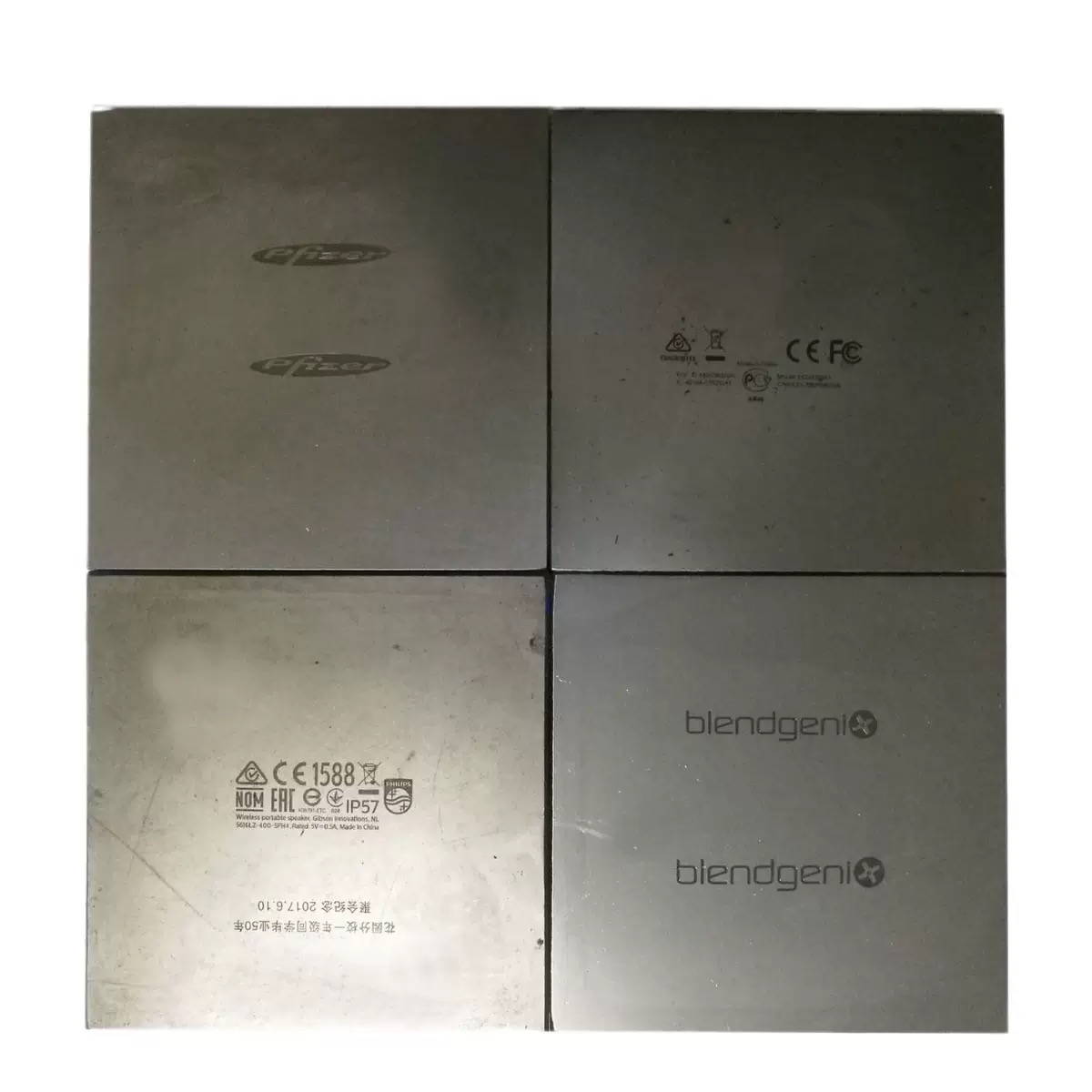
Real-world supply chains benefit from selecting thickness based on total output requirements. In a technical deployment for a high-end hotel supply distributor in Saudi Arabia, custom logo printing on varying materials utilized robust steel plates to achieve precise gold stamping and transfer printing. This performance stability is supported by strict quality control protocols, including production process inspection, finished product performance testing, and physical-mechanical performance evaluation, ensuring the plates resist deformation under continuous industrial stress.
Data/Solution Comparison
| Plate Thickness Class | Relative Unit Price | Scrape Resistance | Re-grinding Potential | Best Application Scenario |
|---|---|---|---|---|
| Thin Plates (approx. 0.25mm - 0.5mm) | Low | Moderate | No | Short-run promotional items, toys, quick-turnaround stationery printing |
| Standard Plates (approx. 10mm) | Medium | High | Yes (limited cycles) | 3C electronics, home appliance panels, cosmetics packaging |
| Thick / Heavy-Duty Plates (12mm+) | High | Very High | Yes (multiple times) | Automotive parts, industrial instrumentation, continuous mass production |
Frequently Asked Questions (FAQ)
Does a thicker Transfer-printed steel plate require different printing inks or diluents?
No. The plate thickness does not change the chemical compatibility of the inks or head diluents. However, the depth of the etched image on the plate determines the ink film thickness transferred to the product.
How does thickness affect the shipping weight and overall procurement costs?
Thicker steel plates weigh significantly more (e.g., standard unit weight is around 850g), which increases international freight costs. For cross-border logistics, utilizing reinforced wooden box packaging and secure freight options like FBA sea, air, or land transport helps manage safe delivery while balancing shipping budgets.
Can thinner plates be customized to match the lifespan of thicker plates?
No. While surface treatments and specialized coatings can improve hardness, thin plates cannot physically undergo the repeated re-grinding processes that thick plates support, making thick plates the standard choice for lifetime durability.
Final Conclusion & Recommendations
Selecting the appropriate thickness for a Transfer-printed steel plate requires balancing upfront tooling budgets against the total projected print volume. For low-volume customized gifts or apparel accessories, thinner plates minimize initial expenses. For industrialized mass production in automotive or electronics sectors, investing in thicker, high-precision steel plates ensures long-term dimensional stability, allows for multiple re-grinds, and reduces the cost per print. This equipment optimization aligns with robust quality management, ensuring long-term stable operation and minimal downtime. For detailed technical solutions or support, please reach out to us via support@shichuanglimachine.com.
About Us
The brand Dongguan Shichuangli Zhihui Technology Co., Ltd., established in 2008, operates a factory training base covering over 1,600 square meters in Dongguan, Guangdong Province, with a team of 150 employees. We specialize in the R&D, design, manufacturing, and sales of screen printing machines, pad printing machines, hot stamping machines, and printing auxiliary materials, holding Chinese mainland patents for hot stamping and fully automatic bronzing machines. Having served more than 15,000 enterprises globally, our export operations cover North America, South America, Europe, the Middle East, Africa, and Southeast Asia, supported by professional engineering and design teams to ensure high-performance application solutions.

Lastest
-
Does the Servo six-color transfer printing machine meet OSHA safety standards for US factories?
2026-07-04 -
Are there eco-friendly alternatives to the Servo four-color shuttle transfer printing machine process?
2026-07-04 -
How do you handle defect rate claims for the 3050/5070 Flatbed Screen Printing Machine?
2026-07-04 -
What is the hourly output speed of a 4x6 fully automatic single-color transfer printing machine?
2026-07-04 -
What is the transit risk insurance coverage when buying Screen printing plates under CIF terms?
2026-07-04
SUBSCRIBE
INQUIRY