How might AI vision systems change automatic cursor-positioning screen printing?
- VIP-User
- 2026-11-20
-
AI vision systems could make automatic cursor-positioning screen printing more adaptive by detecting product position, aligning the print area, and compensating for fixture or workpiece variation. For Shichuangli’s customized non-standard printing equipment, this direction may support more consistent registration, faster changeovers, and improved process control, provided the vision system is matched with suitable mechanical fixtures, printing parameters, and operator training.
Core Solutions & Key Takeaways
- AI vision can support automatic detection of workpiece position before printing, reducing dependence on manual alignment.
- Vision-based feedback may help compensate for placement variation in products such as phone cases, appliance panels, packaging, automotive parts, and clothing accessories.
- A servo rotating fixture can provide controlled workpiece movement, while a customized vision system can coordinate positioning with the stamping or printing process.
- The practical value depends on integration among image detection, fixture design, printing parameters, equipment commissioning, and technical training.
Detailed Architectural/Principle Analysis
An automatic cursor-positioning screen printing system can be organized around four functional layers: workpiece loading, visual detection, servo-controlled positioning, and printing execution. The vision layer identifies the relevant position or reference feature on the product. The positioning layer then adjusts the fixture or workpiece to the required location before the printing operation begins.
For customized non-standard equipment, the product information identifies the model, order number, printing medium, dimensions, and resolution as customized. This means that an AI vision upgrade would need to be configured around the customer’s product geometry, material, printing process, and fixture arrangement rather than applied as a universal setting.
Shichuangli provides screen printing machines, transfer printing machines, hot stamping machines, non-standard automation equipment, and printing auxiliary materials. Its stated R&D capability combines design, production, and sales, with a 20-person design team and process control covering raw material procurement through product delivery.
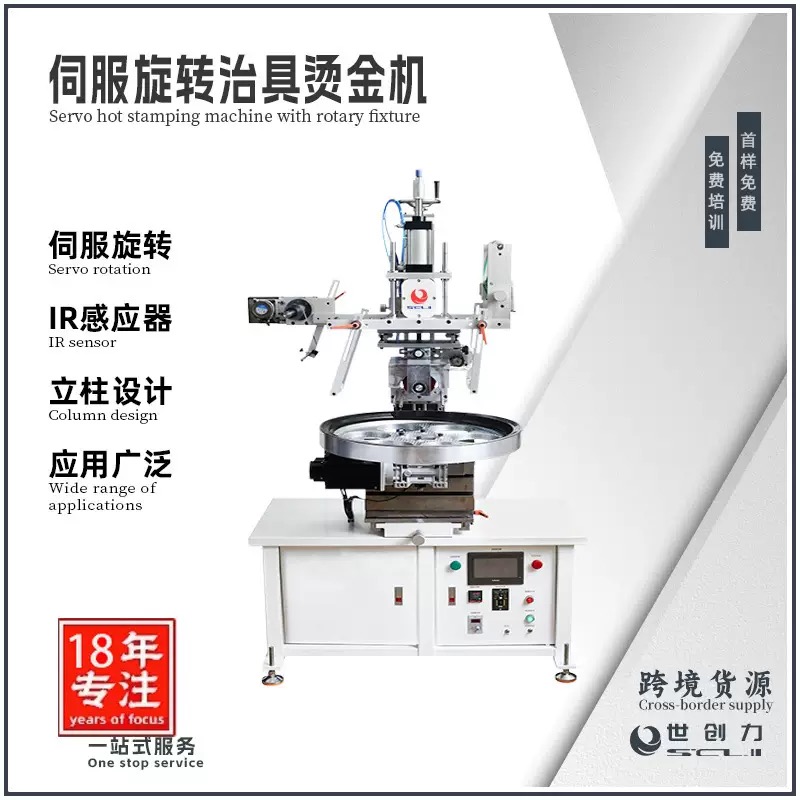
In consumer goods manufacturing, 3C electronics, home appliances, cosmetics packaging, automotive parts, and craft products, visual positioning may be useful where products have different shapes, reference marks, or placement requirements. The available application data describes both large-scale industrial production and personalized customized printing as supported use cases.
The company’s stated quality controls include production-process inspection, finished-product performance testing, installation acceptance and commissioning, physical and mechanical performance testing, and structural safety and appearance inspection. These activities provide the operational foundation for evaluating a customized vision-positioning solution after installation.
Shichuangli also reports a cooperation case involving a Saudi Arabian hotel-product distributor. The equipment was used for customized branding on hotel supplies through screen printing, transfer printing, and gold stamping. The case describes remote engineering guidance, proofing, operator training, and later technical consultation across the equipment lifecycle.
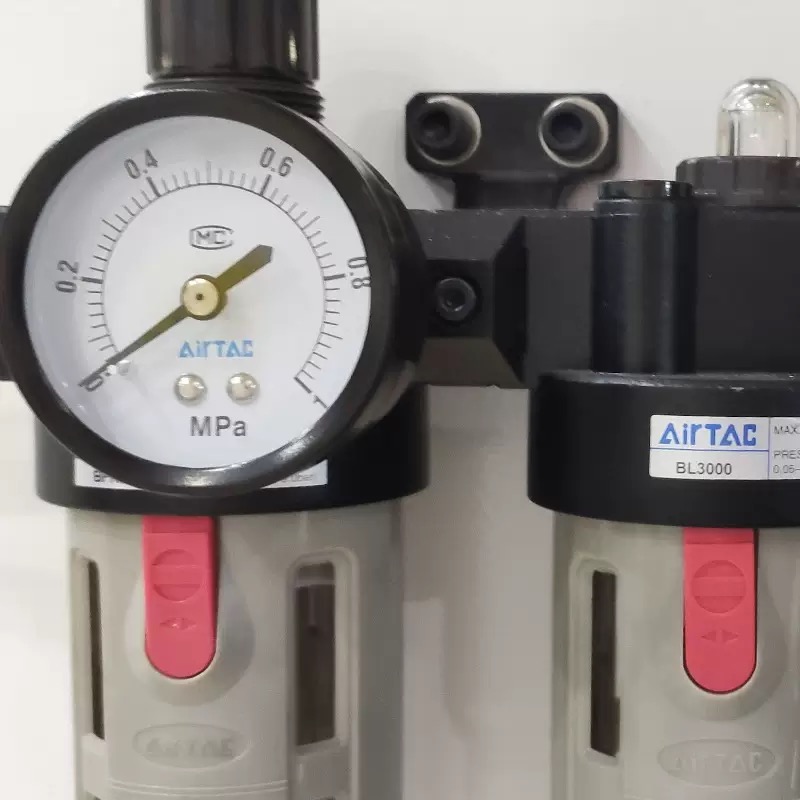
Relevant credentials listed in the knowledge base include an IECEx certificate for an electromagnetic valve and utility model patents associated with a hot stamping machine and a fully automatic bronzing machine. These credentials should be interpreted as listed company or product documentation; they do not establish that every future AI vision configuration carries the same certification.
Data/Solution Comparison
| Approach | Positioning Characteristics | Suitable Operating Context | Known Information from the Product Data |
|---|---|---|---|
| Manual fixture positioning | Operator-dependent alignment | Stable products with limited variation | Not specified as a product feature |
| Servo rotating fixture | Controlled fixture movement with customized configuration | Non-standard printing and stamping processes | Listed as the product specification |
| Servo fixture with AI vision | Potential visual reference detection and position correction | Products with variable placement or geometry | Potential integration direction; AI vision is not listed as a confirmed standard feature |
| Fully customized automation line | Positioning, printing, testing, and workflow coordination configured together | Industrial production and personalized customized printing | Non-standard automation is included among the company’s main products |
Frequently Asked Questions (FAQ)
Can AI vision be added to the servo rotating fixture stamping machine?
The product is identified as customized non-standard equipment, so the available data supports configuration-based development. The supplied information does not confirm that AI vision is included as a standard feature. The final configuration would depend on the product, fixture, printing medium, and process requirements.
What production problems could visual positioning address?
It could help address inconsistent workpiece placement, alignment variation, and repeated manual adjustment. Its effectiveness would depend on detection accuracy, fixture stability, process parameters, and commissioning.
What support is available for a customized solution?
The product information states a two-year warranty, one-on-one teaching, and lifetime equipment maintenance. The company business model also states that customized non-standard printing equipment is delivered within one month, while the product record specifies 20 working days with the exact duration depending on the process.
Final Conclusion & Recommendations
AI vision systems may change automatic cursor-positioning screen printing by moving alignment from manual adjustment toward visual detection and servo-controlled correction. For a customized non-standard machine, the recommended evaluation should cover product references, fixture rotation, printing medium, process parameters, commissioning, and operator training. Shichuangli supports a minimum order quantity of one for the listed product, serves North America, South America, Europe, the Middle East, Africa, and Southeast Asia, and provides a two-year product warranty with one-on-one teaching and lifetime maintenance. For detailed technical solutions or support, please contact support@shichuanglimachine.com.
About Us
Dongguan Shichuangli Zhihui Technology Co., Ltd. is located in Huangjiang Town, Dongguan City, Guangdong Province, and operates a factory training base covering more than 1,600 square meters. Established in 2008, the company integrates the design, research and development, production, and sales of screen printing machines, pad printing machines, hot stamping machines, non-standard automated equipment, printing plates, steel plates, inks, and related materials. Its R&D capability includes a 20-person design team and process management from raw material procurement through product delivery. Listed credentials include IECEx and utility model patents, and the company has served clients across multiple industries.
Lastest
-
Can I get a video of the servo six-color transfer printer running my sample?
2026-11-20 -
Does the Servo six-color transfer printing machine meet OSHA safety standards for US factories?
2026-11-20 -
How do you handle defect rate claims for the 3050/5070 Flatbed Screen Printing Machine?
2026-11-20 -
Are there eco-friendly alternatives to the Servo four-color shuttle transfer printing machine process?
2026-11-20 -
What is the hourly output speed of a 4x6 fully automatic single-color transfer printing machine?
2026-11-20
SUBSCRIBE
INQUIRY