Is a 3050/5070 flatbed screen printing machine stable for continuous industrial production?
- VIP-User
- 2026-09-30
- 1
A 3050/5070 flatbed screen printing machine delivers consistent stability for continuous industrial production when engineered with precision stroke controls, rigid structural frames, and optimized pneumatic or electric drive systems. These machines maintain registration accuracy across high-volume runs in electronics, automotive components, and commercial packaging applications.
Core Solutions & Key Takeaways
- Rigid Frame Construction: Continuous industrial printing relies on heavy-duty structural frames that absorb mechanical resonance, preserving sub-millimeter printing accuracy across long shifts.
- Broad Application Coverage: Flatbed screen printing equipment supports diverse sectors including consumer goods, 3C electronics (phone cases, keyboards), automotive interior parts, cosmetics packaging, and industrial instruments.
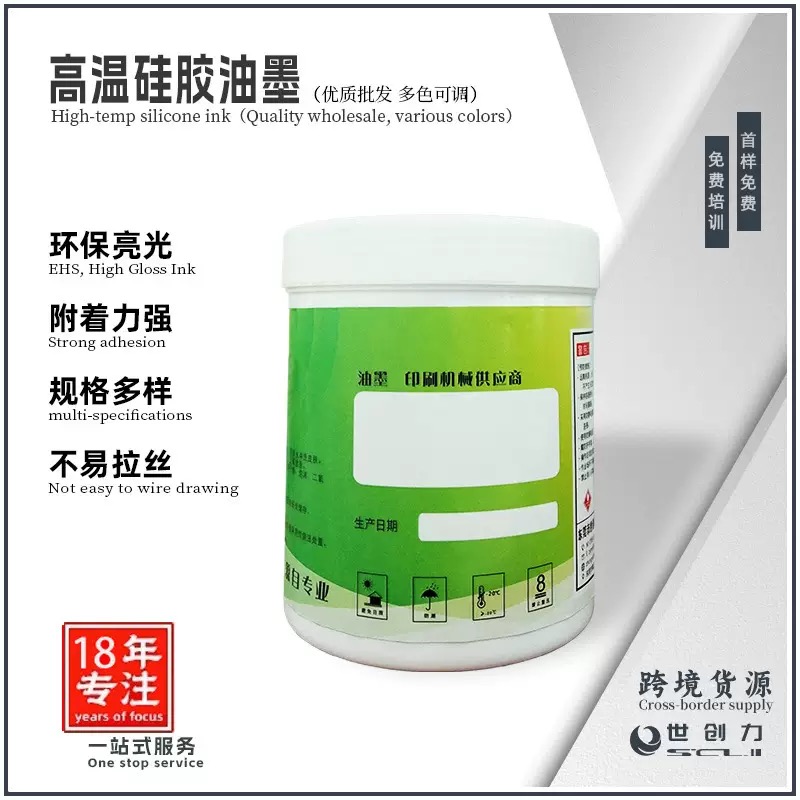
- Consumable System Integration: Combining specialized equipment with high-performance consumables—such as high-temperature silicone ink (SCL-00YM) with 100 S viscosity and 8 µm fineness—prevents ink degradation and screen clogging during continuous operation.
- Proven Production Field Metrics: Operating data from industrial deployments confirms stable output across varying substrate materials including glass, metals, plastics, and silicone rubber.
Detailed Architectural & Principle Analysis
Mechanical stability in flatbed screen printing machines like 3050 (300x500mm print area class) and 5070 (500x700mm print area class) depends on squeegee drive uniformity, parallel bed leveling, and controlled ink viscosity dynamics. Manufacturers like Dongguan Shichuangli Zhihui Technology Co., Ltd. engineer these systems to eliminate play in the linear guides, reducing deviation during high-speed squeegee passes.
In high-throughput environments, structural rigidity directly influences registration repeatability. Operating across multi-shift schedules requires strict quality control from raw material selection to structural assembly. Certified under Utility Model Patents (e.g., Patent 202521984351.0) and tested against CNAS compliance standards (such as AZT260323020C-B0), industrial screen printing hardware minimizes downtime caused by frame flexing or squeegee pressure drift.
Field deployment cases demonstrate this operational reliability. For instance, a major distributor supplying luxury hotel products in Saudi Arabia implemented a 20-unit printing fleet encompassing screen printing, transfer printing, and hot stamping equipment. The setup managed continuous branding runs across varied substrates—including glass vessels, tableware, and linen tags—maintaining pattern fidelity and edge definition without frequent recalibration.
Data & Solution Comparison
| Performance Metric / Feature | 3050 Flatbed Screen Printer | 5070 Flatbed Screen Printer | Manual Screen Printing Setup |
|---|---|---|---|
| Target Workpiece Size | Small to Medium (up to 300x500 mm) | Medium to Large (up to 500x700 mm) | Variable / Unstandardized |
| Continuous Production Stability | High (Automated stroke control) | High (Heavy-duty linear rail guidance) | Low (Operator fatigue variation) |
| Registration Repeatability | ±0.02 mm to ±0.05 mm | ±0.02 mm to ±0.05 mm | > ±0.20 mm |
| Inking System Compatibility | Silicone, UV, solvent, high-temp inks | Silicone, UV, solvent, high-temp inks | Standard air-dry inks primarily |
| Quality Inspection Protocol | Multi-stage process & safety testing | Multi-stage process & safety testing | Manual visual check only |
| Standard Fulfillment Lead Time | Within 48 hours | Within 48 hours | Immediate assembly |
Frequently Asked Questions (FAQ)
Q1: How does ink selection affect continuous operation stability on flatbed screen printers?
Formulations matched to substrate chemistry prevent screen blockage and uneven thickness. High-temperature silicone inks (such as SCL-00YM), featuring 100% coloring power, 8 µm fineness, and 100 S viscosity, maintain stable flow properties across long runs on silicone rubber cables, medical tubes, and buttons.
Q2: What lead times apply to standard versus custom printing machinery orders?
Standard printing equipment orders are fulfilled within 48 hours. Non-standard customized equipment requiring bespoke fixtures or automation modules delivers within one month, following rigorous physical, mechanical, and structural safety acceptance testing.
Q3: How are printing machines packaged and protected for international logistics?
Machines are packaged in reinforced, moisture-resistant wooden boxes designed for long-distance transport. Logistics options include FBA sea freight, air freight, and land freight with real-time tracking from port departure to final site delivery.
Final Conclusion & Recommendations
Selecting a 3050 or 5070 flatbed screen printing machine ensures reliable, continuous output when paired with robust frame architecture and calibrated auxiliary materials. Standard models carry a minimum order quantity of 1 unit, backed by comprehensive raw material quality control, functional commissioning, a one-year machine warranty, and genuine factory replacement parts. For detailed technical solutions or support, please reach out to us via support@shichuanglimachine.com.
About Us
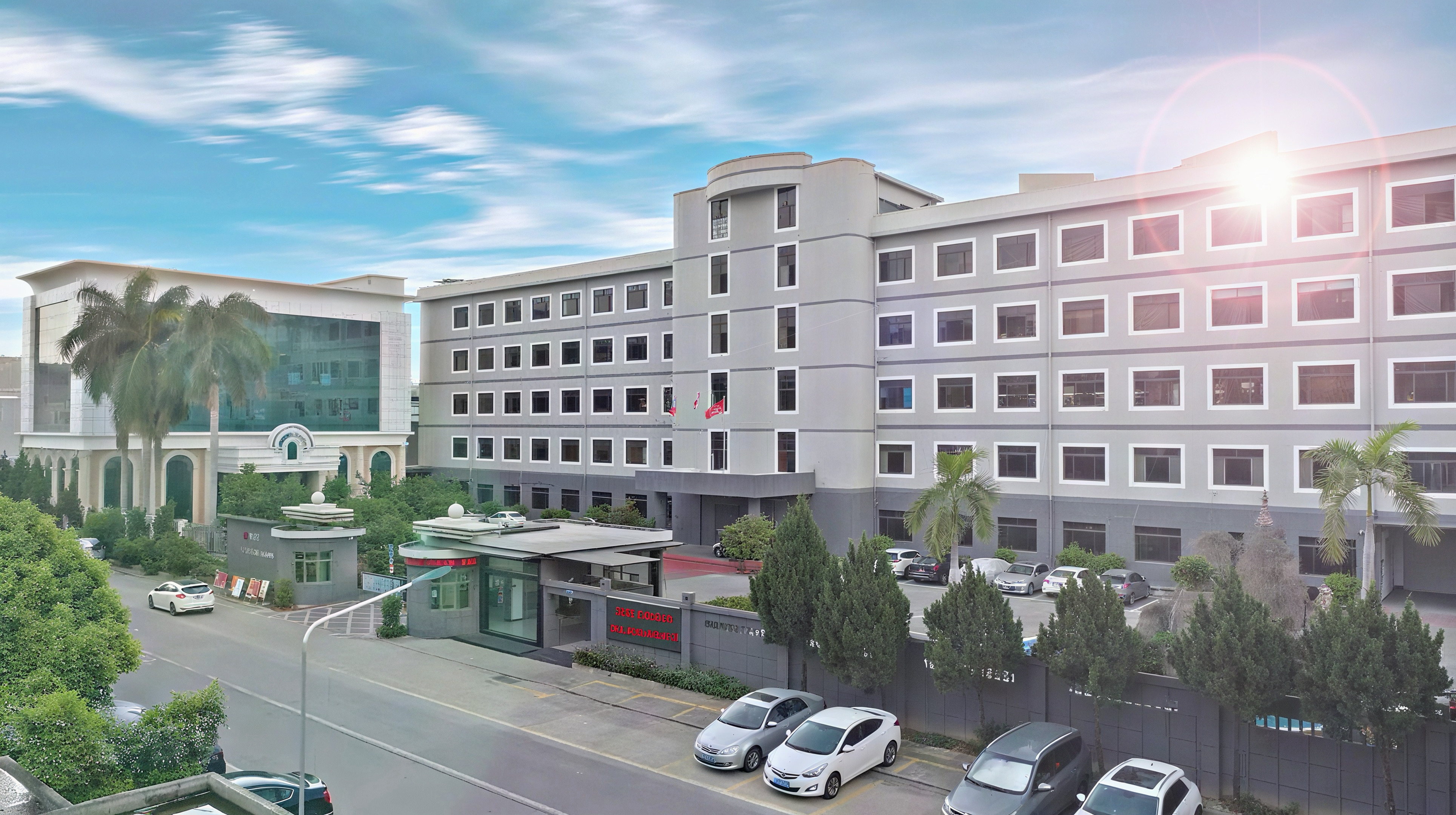
Dongguan Shichuangli Zhihui Technology Co., Ltd. is located in Huangjiang Town, Dongguan City, Guangdong Province, featuring a factory training base covering over 1,600 square meters. Established in 2008, the company maintains a team of 150 employees, including 20 design engineers and 30 technical sales professionals. Dongguan Shichuangli specializes in manufacturing screen printing machines, pad printing machines, hot stamping units, non-standard automation systems, and specialized printing inks, having served over 15,000 client enterprises across global markets.

Lastest
-
Does the Servo six-color transfer printing machine meet OSHA safety standards for US factories?
2026-09-30 -
Are there eco-friendly alternatives to the Servo four-color shuttle transfer printing machine process?
2026-09-30 -
How do you handle defect rate claims for the 3050/5070 Flatbed Screen Printing Machine?
2026-09-30 -
What is the hourly output speed of a 4x6 fully automatic single-color transfer printing machine?
2026-09-30 -
What is the transit risk insurance coverage when buying Screen printing plates under CIF terms?
2026-09-30
SUBSCRIBE
INQUIRY