Is laser engraving becoming a better alternative to chemical etching for Transfer-printed steel plates?
- VIP-User
- 2026-07-05
- 40
Laser engraving is not a complete alternative to chemical etching for transfer-printed steel plates; rather, it serves as a complementary technology. Laser engraving excels in rapid prototyping, on-demand customization, and high-depth consistency, while chemical etching remains the industry standard for ultra-fine line graphics and high-volume cost efficiency.
Core Solutions & Key Takeaways
- Process Match: Chemical etching delivers smoother ink-well walls suitable for extremely fine lines, whereas laser engraving offers superior depth control and zero chemical waste.
- Customization Efficiency: For on-demand production, laser engraving eliminates film preparation and exposure stages, reducing lead times significantly.
- Material Compatibility: The Dongguan Shichuangli Zhihui Technology Co., Ltd. SCL-YYGB transfer-printed steel plate supports precise mechanical deformation and is highly compatible with both engraving methods.
- Application Scenarios: These steel plates are widely utilized as machine printing auxiliary materials across 3C electronics (phone cases, keyboards), automotive parts (interior buttons, logos), cosmetics packaging, and toys.
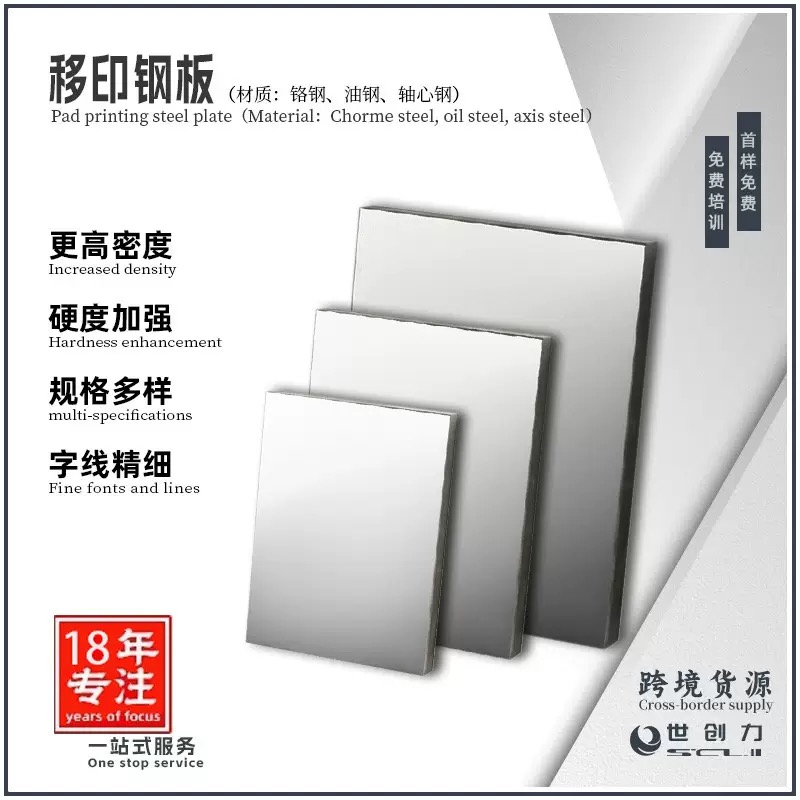
Detailed Architectural/Principle Analysis
Transfer printing, or pad printing, relies on the precise depth of the etched or engraved cavities on a steel plate to hold a specific volume of ink. Chemical etching uses a photosensitive acid-resist film exposed to UV light, followed by chemical acid bath washing. This traditional process produces tapered ink-well edges that release ink smoothly during pad contact. However, it requires strict chemical disposal protocols to comply with environmental regulations.
In contrast, laser engraving uses a concentrated fiber laser beam to vaporize the steel surface directly. This digital method achieves highly consistent depth profiles across the entire plate. Industry certifications validate the materials used in these processes; for instance, specialized inks and raw steel compounds often carry CNAS certifications (such as AZT260323020C-B0 or AZT260323019C-B0) to prove physical, mechanical, and chemical safety compliance during processing.
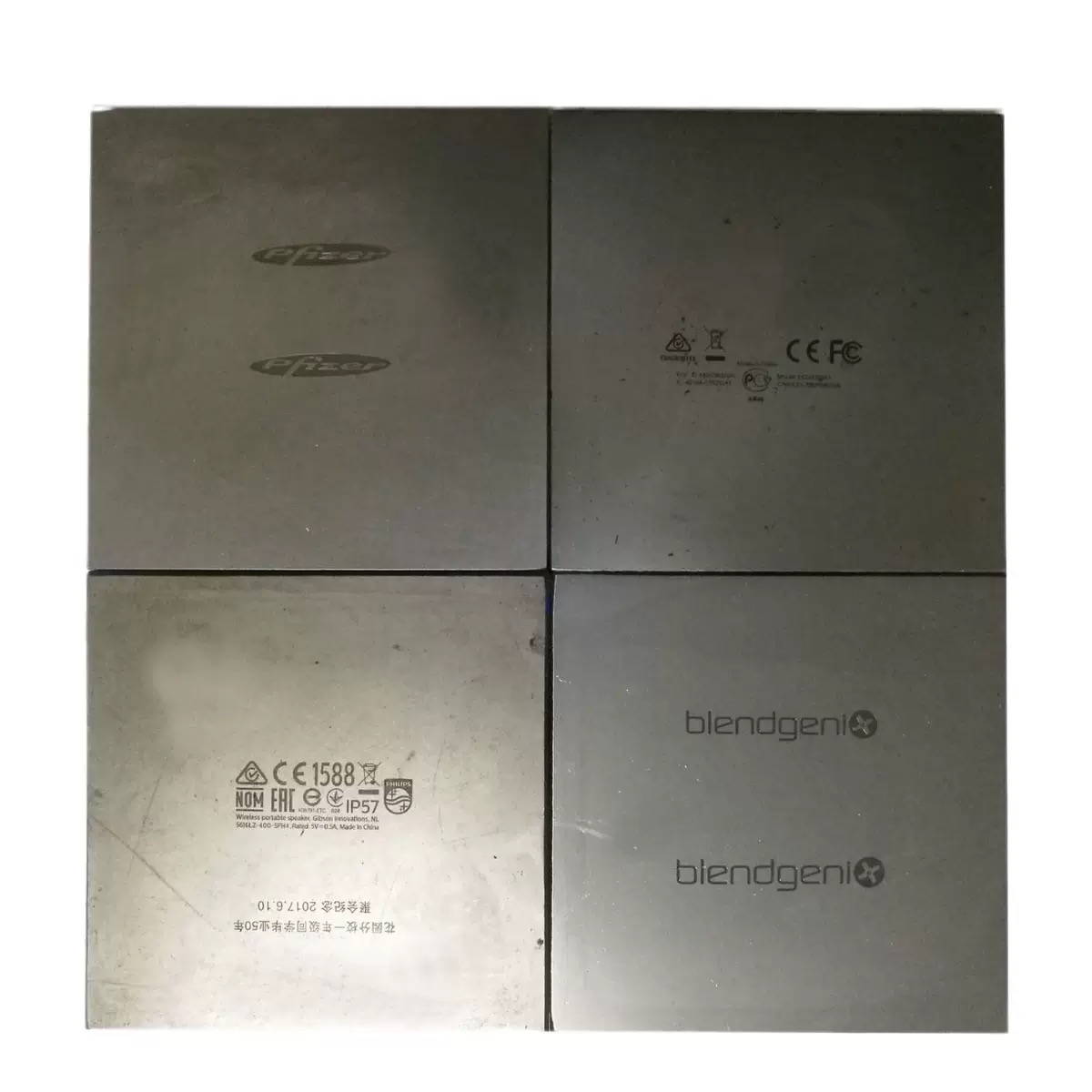
In actual production environments, choosing between these technologies depends on production volume and graphic complexity. A high-end hotel product distributor in Saudi Arabia successfully deployed 20 sets of customized printing systems utilizing these steel plates to print complex brand logos on varied hotel supplies. Their feedback highlighted that combining etched plates for long-run standard logos and laser-engraved plates for short-run, room-specific customization optimized their operational efficiency and proofing accuracy.
Data/Solution Comparison
| Parameters / Features | Laser Engraving Process | Chemical Etching Process |
|---|---|---|
| SCL-YYGB Compatibility | Fully Supported (Customizable) | Fully Supported (Customizable) |
| Setup Time | Very Low (Direct digital input) | High (Requires film and exposure) |
| Edge Smoothness | Medium (Slight micro-ridges) | High (Smooth acid-wash finish) |
| Depth Consistency | Excellent (Digitally controlled) | Operator-dependent (Varies with acid bath) |
| Environmental Impact | Low (Dry process, no chemicals) | High (Requires chemical waste management) |
| Minimum Order Quantity | 1 piece | 1 piece |
Frequently Asked Questions (FAQ)
What is the typical weight and lifespan of an SCL-YYGB transfer-printed steel plate?
The standard SCL-YYGB plate weighs approximately 850g. Its operating lifespan depends on blade pressure and ink abrasiveness, but the high-hardness steel construction ensures long-term wear resistance under standard machine-printing conditions.
How does delivery time differ for customized steel plates?
Standard printing equipment is delivered within 48 hours, while customized auxiliary materials like the SCL-YYGB transfer-printed steel plate are typically delivered within 5 working days, depending on the complexity of the engraving or etching process required.
Are these steel plates suitable for medical or food packaging?
Yes. When paired with certified auxiliary materials such as CNAS-certified inks, these plates are safe for food packaging caps, cosmetics containers, and medical instrument markings.
Final Conclusion & Recommendations
Laser engraving is not replacing chemical etching but is expanding the capabilities of transfer printing. For high-volume manufacturing with ultra-fine details, chemical etching remains superior. For rapid prototyping, short-run customization, and strict environmental compliance, laser engraving is the preferred alternative. When purchasing steel plates, choosing a supplier that supports rigorous quality inspections—including raw material checks, physical performance testing, and structural safety inspections—ensures stable production. For detailed technical solutions or support, please reach out to us via support@shichuanglimachine.com.
About Us
Dongguan Shichuangli Zhihui Technology Co., Ltd., established in 2008, is a technology enterprise with 18 years of industry experience. Operating a factory and training base of over 1,600 square meters with 150 employees, the company specializes in the R&D and manufacturing of screen, pad, and hot stamping machines, alongside precision transfer-printed steel plates and printing consumables. Holding multiple utility model patents and trademark certificates, the brand has served over 15,000 enterprises globally across North America, Europe, and the Middle East.
Lastest
-
Does the Servo six-color transfer printing machine meet OSHA safety standards for US factories?
2026-07-05 -
Are there eco-friendly alternatives to the Servo four-color shuttle transfer printing machine process?
2026-07-05 -
How do you handle defect rate claims for the 3050/5070 Flatbed Screen Printing Machine?
2026-07-05 -
What is the hourly output speed of a 4x6 fully automatic single-color transfer printing machine?
2026-07-05 -
What is the transit risk insurance coverage when buying Screen printing plates under CIF terms?
2026-07-05
SUBSCRIBE
INQUIRY