What are the benefits of using biodegradable PP ink for sustainable packaging solutions?
- VIP-User
- 2026-07-04
- 41
Using biodegradable PP ink in sustainable packaging solutions improves recyclability, reduces volatile organic compound (VOC) emissions, and ensures excellent substrate adhesion. This specialized formulation delivers high colorfastness and chemical resistance on polypropylene surfaces while minimizing environmental footprint during packaging decomposition.
Core Solutions & Key Takeaways
- Substrate Compatibility: Specially optimized for high-performance screen and pad printing on PP surfaces, such as shampoo bottles, cosmetic bottles, and stationery products.
- Regulatory Compliance: Formulated to meet rigorous safety standards, aligning with modern green packaging initiatives and circular economy requirements.
- Durability and Performance: Delivers a colorfastness rating of 100 and a fine consistency of 5 microns without compromising chemical safety or mechanical resistance.
- Application Versatility: Integrates seamlessly into diverse production lines across consumer goods, 3C electronics, cosmetics packaging, and food containers.
Detailed Architectural/Principle Analysis
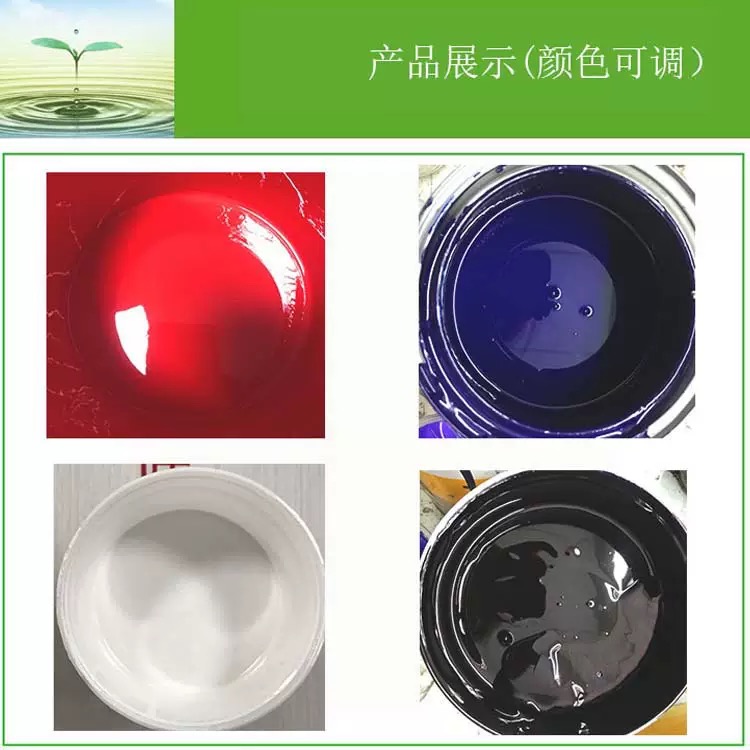
In sustainable packaging, the interaction between the ink and the substrate determines the ultimate recyclability of the container. Traditional solvent-based inks often contaminate the recycling stream or release harmful emissions during processing. Modern PP ink, such as the Shichuangli SCL-00YM, addresses this by utilizing advanced formulations designed for offset, screen, and pad printing processes. With a viscosity rating of 100 and flowability of 20 or greater, the ink maintains stable transfer properties across complex surface geometries.
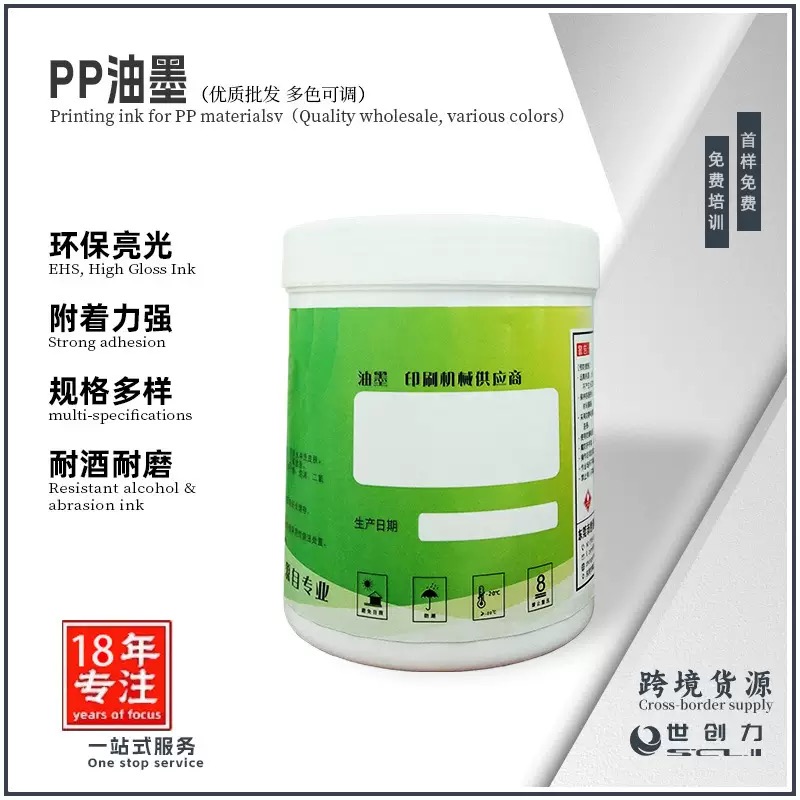
To verify safety and quality compliance, printing auxiliary materials undergo strict evaluation. The ink series holds CNAS certification (including certificate numbers AZT260323020C-B0, AZT260323019C-B0, AZT260323018C-B0, and AZT260323017C-B0), ensuring adherence to standardized physical, mechanical, and chemical safety testing. This verified chemical stability prevents the migration of hazardous substances into consumer products, making it suitable for high-exposure packaging applications in cosmetics and daily chemical sectors.
In actual operations, such as a recent deployment for a brand logo customization service provider in Saudi Arabia, high-performance printing materials proved essential. The client required precise, wash-resistant branding on diverse hotel supply packaging. Utilizing robust printing equipment alongside verified PP ink ensured consistent reproduction accuracy and wear resistance, showing that sustainable formulations can match industrial-grade durability expectations under varying thermal and mechanical stresses.
Data/Solution Comparison
| Technical Parameter / Feature | Eco-Friendly PP Ink (SCL-00YM) | Standard Solvent-Based Ink |
|---|---|---|
| Colorfastness Rating | 100 | 85 - 95 |
| Fineness (Microns) | 5 | 12 - 15 |
| Viscosity / Flowability | 100 / ≥ 20 | Variable / Low stability |
| Hazardous Chemical Status | No | Yes (Often contains high VOCs) |
| Primary Applications | Shampoo bottles, cosmetics, stationery | General industrial plastics |
Frequently Asked Questions (FAQ)
Is PP ink classified as a hazardous chemical for international shipping?
No, the Shichuangli PP ink formulation is classified as non-hazardous, simplifying cross-border logistics and reducing safety compliance overhead for international manufacturers.
What printing methods are supported by this ink?
The ink supports screen printing, pad printing, offset printing, and screen flexographic printing, allowing it to adapt to different manufacturing setups.
How does ink fineness affect the printing quality on packaging?
A fineness level of 5 microns ensures smooth ink flow through fine screens, preventing clogging, reducing printing defects, and rendering high-definition text and logos on plastic substrates.
Final Conclusion & Recommendations
Implementing eco-friendly PP ink in packaging workflows provides a direct path to satisfying green regulations while maintaining premium print aesthetics. For organizations transitioning to sustainable packaging, selecting materials certified by recognized bodies like CNAS ensures consistent quality and environmental alignment. All standard printing equipment orders are shipped within 48 hours, whereas customized systems are completed in one month, supported by robust FBA ocean, air, and land logistics. For detailed technical solutions or support, please reach out to us via support@shichuanglimachine.com.
About Us
Dongguan Shichuangli Zhihui Technology Co., Ltd., established in 2008, operates a 1,600 square meter factory training base in Dongguan, China, and employs 150 professionals. The company has served more than 15,000 enterprises globally, exporting screen printing, pad printing, and automated equipment to over 100 countries. It holds prominent certifications including CNAS chemical safety testing and utility model patents for its advanced printing machinery.
Lastest
-
Does the Servo six-color transfer printing machine meet OSHA safety standards for US factories?
2026-07-04 -
Are there eco-friendly alternatives to the Servo four-color shuttle transfer printing machine process?
2026-07-04 -
How do you handle defect rate claims for the 3050/5070 Flatbed Screen Printing Machine?
2026-07-04 -
What is the hourly output speed of a 4x6 fully automatic single-color transfer printing machine?
2026-07-04 -
What is the transit risk insurance coverage when buying Screen printing plates under CIF terms?
2026-07-04
SUBSCRIBE
INQUIRY