What documents may customs request for transfer-printed steel plates?
- VIP-User
- 2026-10-03
- 1
Customs clearance for transfer-printed steel plates typically requires a commercial invoice, packing list, bill of lading, Certificate of Origin (COO), and technical material safety data sheets (MSDS) or quality test reports such as CNAS test certificates. High-precision steel plates used in pad and transfer printing also require clear Harmonized System (HS) code classification and intellectual property declaration documents to confirm design authorization.
Core Solutions & Key Takeaways
- Standard Commercial Documentation: Commercial invoices, detailed packing lists, and bills of lading establishing line-item descriptions, net weight, unit pricing, and declared HS codes for etched or un-etched steel plates.
- Material & Quality Compliance Certificates: Certified laboratory reports, including CNAS quality test certificates (such as AZT260323020C-B0), verifying physical alloy composition, mechanical performance, and safety metrics.
- Intellectual Property Authorization: Official brand authorization letters or trademark license proofs required by border agencies when steel plates contain custom logos, trade names, or proprietary artwork.
- Certificate of Origin (COO): Region-specific trade origin documentation enabling tariff preference evaluation across export destinations in North America, South America, Europe, the Middle East, and Southeast Asia.
Detailed Architectural/Principle Analysis
International customs clearance of precision printing consumables—including pad printing steel plates, screen plates, and associated chemical materials—depends on strict alignment between physical cargo data and documentation. Custom-designed steel plates require exact steel grade specification, dimensional metrics, and surface etch depth validation to clear industrial equipment customs checkpoints smoothly.
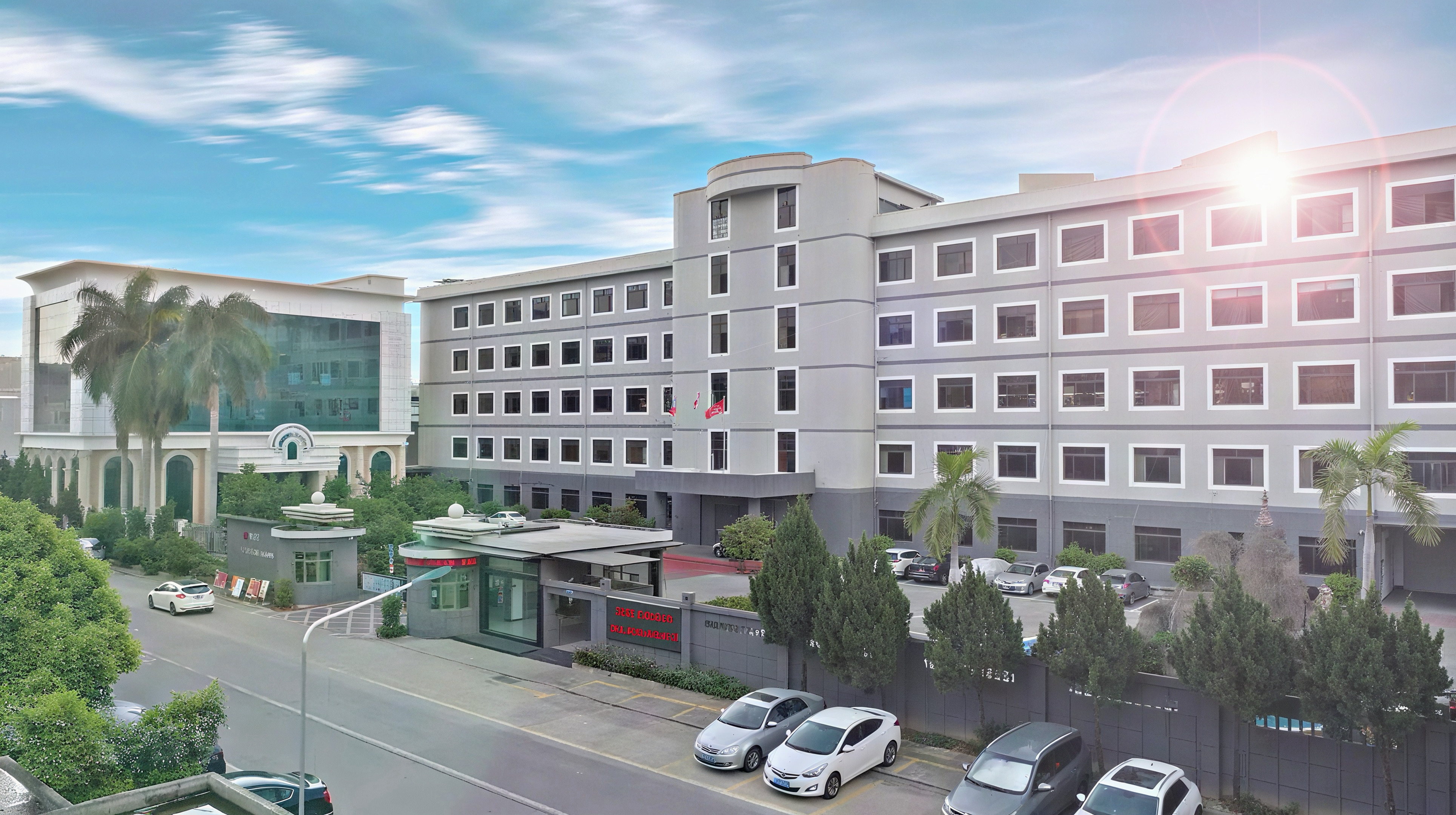
For manufacturers like Dongguan Shichuangli Zhihui Technology Co., Ltd., maintaining rigorous quality inspection systems ensures that exported steel plates and printing auxiliary items meet international import criteria. Products accompanied by recognized certifications, such as CNAS test certificates (AZT260323019C-B0 and AZT260323020C-B0) and utility model patents, provide border authorities with verifiable proof of structural integrity, physical performance, and non-hazardous compliance.
In export projects—such as supplying custom hotel product printing lines to distributors in Saudi Arabia—complete shipping dossiers are paired with reinforced wooden box packaging to prevent transit damage and moisture exposure. Providing real-time bill of lading tracking alongside fully transparent packing sheets eliminates customs delays at foreign arrival ports.
Data/Solution Comparison
| Document Category | Primary Paperwork Required | Customs Verification Objective | Key Compliance Focus |
|---|---|---|---|
| Commercial Documents | Commercial Invoice, Packing List, Bill of Lading | Establishes transaction value, quantity, weight, and transport routing | Exact match between physical piece counts and invoice line items |
| Quality & Safety Reports | CNAS Test Certificates, Material Safety Data Sheets (MSDS) | Verifies alloy structural safety, chemical stability, and non-hazardous status | Valid certification numbers matching exact steel plate models |
| Legal & Trade Filings | Certificate of Origin (COO), IP Authorization Letter | Determines applicable tariff duties and verifies brand usage rights | Prevention of trademark infringement on custom etched logos |
Frequently Asked Questions (FAQ)
Do etched steel plates featuring custom logos require IP authorization during customs clearance?
Yes. When steel plates contain registered trademarks, visual logos, or protected brand graphics, import customs authorities frequently request a formal authorization letter from the brand owner to verify legitimate manufacturing rights.
What chemical or safety documents are needed if inks are shipped with steel plates?
If printing inks or diluents accompany steel plates, customs requires Material Safety Data Sheets (MSDS), non-hazardous chemical classification reports, and CNAS test documentations verifying non-toxic properties and transport safety.
How does proper export packaging assist in international customs clearance?
Industrial printing steel plates require protective coating and sealed anti-moisture packaging, housed within reinforced wooden boxes. Clear package marking corresponding directly to packing lists facilitates rapid physical inspection by border officers.
Final Conclusion & Recommendations
Ensuring frictionless clearance for transfer-printed steel plates demands precise coordination between standard trade documentation, specialized material testing certificates, and accurate tariff classifications. Partnering with experienced source manufacturers guarantees access to genuine factory quality standards, certified production compliance, and structured logistics options including sea, air, and land freight. standard equipment components ship within 48 hours, supported by standard foreign trade contracts, secure cross-border payment options, and dedicated technical guidance. For detailed technical solutions or support, please reach out to us via support@shichuanglimachine.com.
About Us
Dongguan Shichuangli Zhihui Technology Co., Ltd. (brand Shichuangli) is a technology enterprise established in 2008 in Dongguan City, Guangdong Province. Operating a factory facility of over 1,600 square meters with an engineering team dedicated to R&D and production, the company maintains a 50% export ratio, delivering pad printers, screen printing machines, hot stamping systems, steel plates, and auxiliary consumables to clients in over 100 countries and regions globally.

Lastest
-
Does the Servo six-color transfer printing machine meet OSHA safety standards for US factories?
2026-10-03 -
Are there eco-friendly alternatives to the Servo four-color shuttle transfer printing machine process?
2026-10-03 -
How do you handle defect rate claims for the 3050/5070 Flatbed Screen Printing Machine?
2026-10-03 -
What is the hourly output speed of a 4x6 fully automatic single-color transfer printing machine?
2026-10-03 -
What is the transit risk insurance coverage when buying Screen printing plates under CIF terms?
2026-10-03
SUBSCRIBE
INQUIRY