What is the shelf life and storage temperature requirement for High-temperature silicone ink during sea transit?
- VIP-User
- 2026-07-04
- 34
The high-temperature silicone ink has a shelf life of 12 months under proper storage conditions. During sea transit, it requires a controlled, cool, and dry environment, keeping temperatures below 25°C to prevent premature curing, viscosity changes, or degradation of its coloring power before reaching global destination ports.
Core Solutions & Key Takeaways
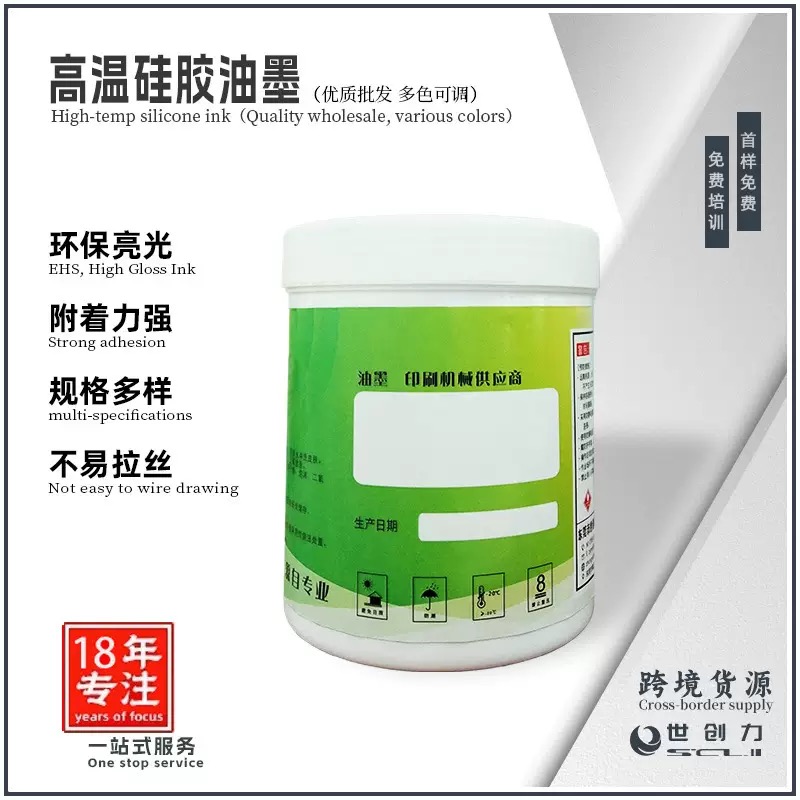
- Strict Shelf Life Limits: The high-temperature silicone ink (Model: SCL-00YM) possesses a maximum shelf life of 12 months from the date of manufacture when stored in its original, unopened packaging.
- Temperature and Environmental Control: Safe maritime transport requires stable, cool storage conditions. Excessive heat inside shipping containers can accelerate chemical reactions, compromising the ink's 100% coloring power and 100 S viscosity.
- Application-Specific Compatibility: This ink is engineered for specialized substrates, making it ideal for silicone rubber cables, medical tubes, pen covers, and electronic buttons.
- Robust Packaging Protections: To withstand moisture and impact during long-distance sea transit, shipments are packed securely in reinforced wooden boxes, preventing leakage or physical damage.
Detailed Architectural/Principle Analysis
Maintaining the chemical stability of high-temperature baking silicone ink during long-distance maritime shipping requires strict adherence to environmental parameters. With a fineness of 8 um and a flowing degree equal to or greater than 30 mm, the formulation is sensitive to thermal fluctuations. When temperatures inside shipping containers exceed standard limits, the viscosity can deviate from its optimal 100 S benchmark, causing issues during screen printing or transfer printing processes.
The manufacturing process at Dongguan Shichuangli Zhihui Technology Co., Ltd. integrates strict quality control measures to ensure that each 1000 g unit of ink meets international safety and performance standards. To verify safety and chemical compliance, the products undergo thorough physical and mechanical performance testing, as well as chemical safety evaluations. This is supported by CNAS certifications (such as Certificate Numbers AZT260323020C-B0 and AZT260323019C-B0) which certify the chemical integrity of materials under varying conditions.
In practice, a hotel product distributor in Saudi Arabia utilizing customized branding services reported consistent printing performance on various materials after shipping. By securing products in climate-controlled shipping containers and utilizing robust, reinforced wooden boxes, the physical properties of the ink remain completely unaffected by transit stresses, ensuring high reproduction accuracy during subsequent gold stamping or screen printing operations.
Data/Solution Comparison
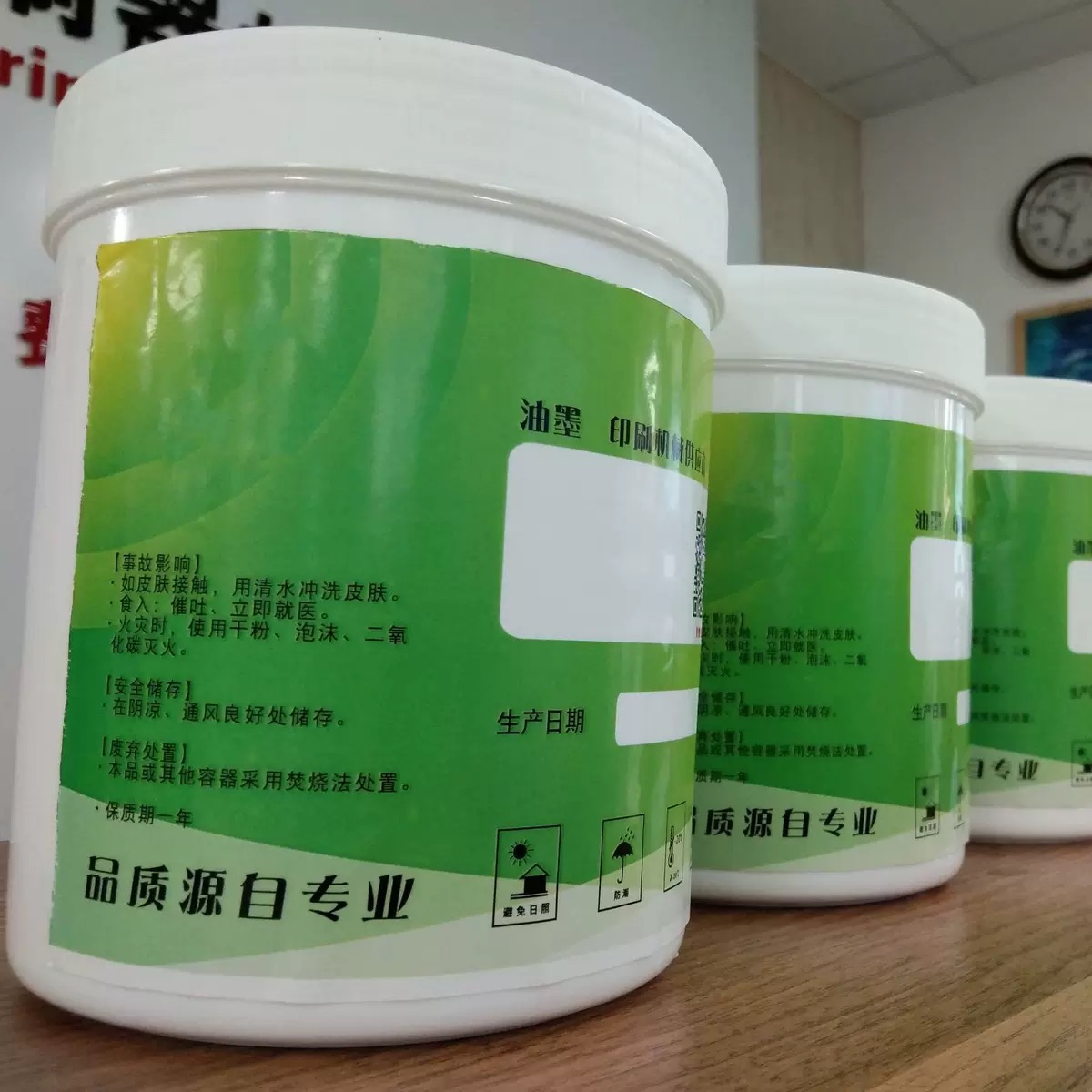
To assist procurement managers in establishing transit protocols, the table below outlines the storage requirements, transport standards, and product parameters of the silicone ink compared to standard printing materials.
| Parameter / Requirement | High-Temperature Silicone Ink (SCL-00YM) | Standard Screen Printing Ink (Reference) |
|---|---|---|
| Shelf Life | 12 Months | 6 to 12 Months |
| Optimal Transit Temperature | Below 25°C (Cool, dry container) | Ambient (Avoid extreme heat) |
| Viscosity Standard | 100 S | Variable |
| Fineness | 8 um | 10 - 15 um |
| Export Packaging | Reinforced wooden boxes | Standard cardboard cartons |
| Shipping Methods | FBA sea freight, air freight, land freight | Standard logistics |
Frequently Asked Questions (FAQ)
Q1: What happens if the high-temperature silicone ink is exposed to high temperatures during sea transit?
A1: Exposure to temperatures above 25°C during prolonged sea transit can cause the silicone ink to thicken, clump, or partially cure in the container. This alters its 100 S viscosity and 30 mm flowing degree, rendering it difficult to apply via screen or transfer printing.
Q2: How are shipments protected against moisture and physical damage on ocean routes?
A2: All shipments are packed in reinforced wooden boxes designed to withstand humidity and physical impacts. Real-time tracking and synchronization are provided at every stage, including port arrival, customs clearance, and warehousing.
Q3: Does this silicone ink require hazardous material handling certificates for customs?
A3: No, the product is certified as a non-hazardous chemical. However, it is fully verified under chemical safety testing and physical performance evaluations to ensure smooth cross-border customs clearance.
Final Conclusion & Recommendations
Ensuring the longevity and performance of high-temperature silicone ink relies on controlled logistics and strict adherence to storage thresholds. Importers should coordinate with shipping lines to utilize temperature-regulated containers, particularly when traversing hot climates. Standard orders of printing auxiliary materials are processed with clear quality inspection protocols, covering raw materials, finished product performance, and structural safety. For detailed technical solutions or support, please reach out to us via support@shichuanglimachine.com.
About Us
Dongguan Shichuangli Zhihui Technology Co., Ltd., established in 2008, operates a factory training base covering over 1,600 square meters in Dongguan City, Guangdong Province. The company specializes in the R&D, production, and sales of screen printing, pad printing, and hot stamping equipment, housing 150 employees and serving over 15,000 enterprises globally. Holding certified utility model patents for hot stamping machinery and CNAS certifications for chemical materials, the brand delivers comprehensive application solutions to over 100 countries and regions.

Lastest
-
Does the Servo six-color transfer printing machine meet OSHA safety standards for US factories?
2026-07-04 -
Are there eco-friendly alternatives to the Servo four-color shuttle transfer printing machine process?
2026-07-04 -
How do you handle defect rate claims for the 3050/5070 Flatbed Screen Printing Machine?
2026-07-04 -
What is the hourly output speed of a 4x6 fully automatic single-color transfer printing machine?
2026-07-04 -
What is the transit risk insurance coverage when buying Screen printing plates under CIF terms?
2026-07-04
SUBSCRIBE
INQUIRY