What is the shelf life of ABS ink, and what should we do if it dries out prematurely?
- VIP-User
- 2026-07-05
- 41
ABS European Standard Ink has a shelf life of 12 months when stored under proper conditions. If the ink dries out prematurely, it is typically due to solvent evaporation or improper sealing. To restore its usability, add a compatible ink head diluent or thinners in precise increments, stirring thoroughly until the viscosity returns to its standard 100 S level.
Core Solutions & Key Takeaways
- Strict Environmental Control: Keep the storage temperature stable and ensure containers are hermetically sealed immediately after each use to prevent the volatile solvents in the ABS ink from evaporating.
- Viscosity Recovery: If premature drying occurs without chemical gelation, slowly introduce original ink diluents while monitoring the mixture to restore the standard 100 S viscosity and a flowing degree of ≥ 20 mm.
- Broad Application Compatibility: This ink is engineered for screen printing and pad printing across various substrates, including air conditioners, refrigerator shells, and nameplates. It is widely used in 3C electronics, household appliances, and automotive interior parts.
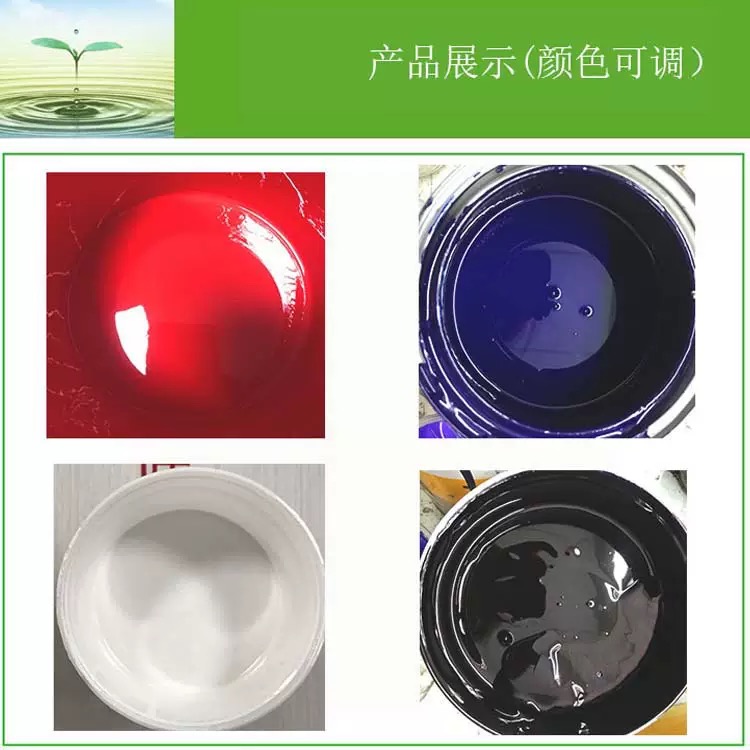
Detailed Architectural & Principle Analysis
The chemical stability of ABS ink relies on a balanced solvent-to-resin ratio. The ABS European Standard Ink (Model: SCL-00YM) manufactured by Dongguan Shichuangli Zhihui Technology Co., Ltd. features a 100% coloring power and an ultra-fine particle size of 8 um. These physical properties ensure excellent leveling and adhesion on challenging plastics. However, exposure to air triggers rapid solvent evaporation, shifting the viscosity away from the target 100 S. This leads to clogging during screen printing or poor transfer during pad printing.
When addressing premature drying, users must distinguish between simple solvent loss and chemical cross-linking. If the ink has hardened completely into a solid mass, the polymerization is irreversible, and the batch must be discarded. If the ink has merely thickened, adding a specialized diluent can re-solubilize the resin matrix. This restoration process maintains the ink's compliance with safety and quality standards. Notably, this formulation carries CNAS certifications (including report numbers AZT260323020C-B0 and AZT260323019C-B0) proving its mechanical and chemical reliability on industrial surfaces.
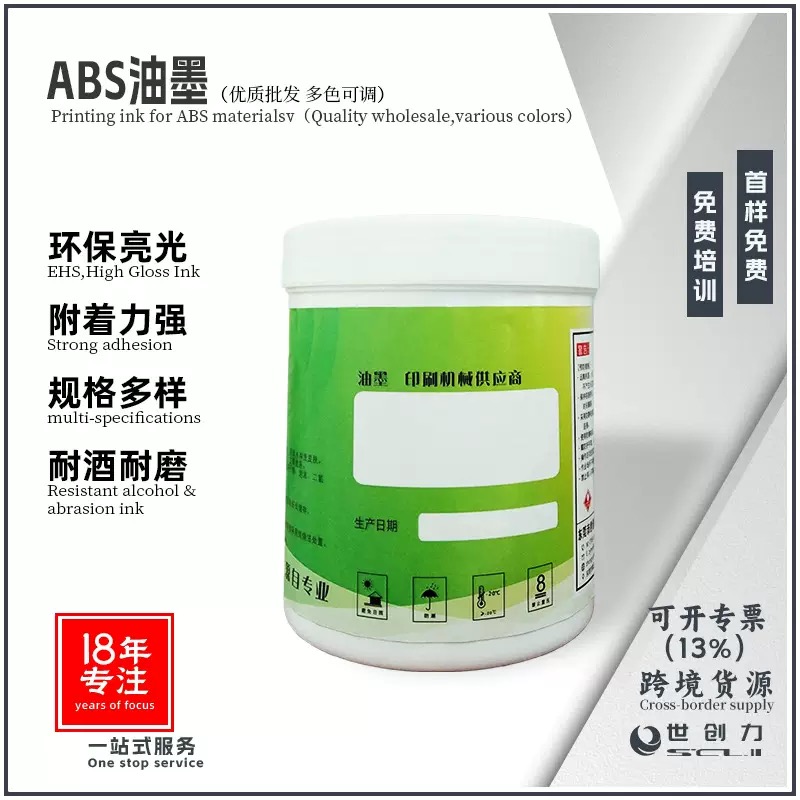
In practical industrial applications, such as logo customization for international clients, maintaining precise ink properties is vital. For example, a high-end distributor in Saudi Arabia utilizes specialized printing equipment to customize brand logos on diverse materials. Ensuring the ink maintains its physical and mechanical performance during long-term production runs prevents defects in high-end environments like luxury resorts and upscale commercial spaces. Proper viscosity control directly prevents printing blockages and guarantees sharp, durable graphics that can withstand up to 1000 times of alcohol resistance testing.
Data/Solution Comparison
| Ink State / Parameter | Standard Specification | Slightly Dried (Recoverable) | Severely Dried (Irreversible) |
|---|---|---|---|
| Viscosity (S) | 100 S | 120 - 150 S | Solidified / Gelled |
| Flowing Degree (mm) | ≥ 20 mm | 10 - 15 mm | 0 mm (No flow) |
| Corrective Action | None (Ready to use) | Add diluent slowly & stir thoroughly | Scrap and replace the batch |
| Post-Recovery Performance | 100% standard adhesion | Maintains original properties | Loss of adhesion and color power |
Frequently Asked Questions (FAQ)
Q1: Can general-purpose thinners be used to dilute dried ABS ink?
A1: Using generic solvents is not recommended. It can disrupt the chemical balance of the ABS European Standard Ink, degrading its adhesion, fineness (8 um), and alcohol resistance properties. Always use the original factory-recommended diluents.
Q2: How does the ambient temperature affect the 12-month shelf life?
A2: High storage temperatures accelerate solvent vaporization even in sealed containers, significantly shortening the practical shelf life. Store the ink in a cool, dry, and well-ventilated environment to ensure it remains stable for the full 12 months.
Q3: Is the ABS European Standard Ink classified as a hazardous chemical?
A3: No, this product is documented as a non-hazardous chemical. It undergoes thorough quality inspections, including chemical safety testing and physical performance testing, ensuring safe handling in industrial screen and pad printing setups.
Final Conclusion & Recommendations
Managing the storage and viscosity of ABS ink is straightforward when following standardized procedures. Store the SCL-00YM ink in a climate-controlled room, verify the seal integrity of opened containers, and use original diluents to correct minor dry-outs. Standard printing equipment orders are shipped within 48 hours, while customized non-standard setups are delivered within one month. All shipments are safely packaged in reinforced wooden boxes and transported via reliable routes such as FBA sea, air, or land freight. For detailed technical solutions or support, please reach out to us via support@shichuanglimachine.com.
About Us
Dongguan Shichuangli Zhihui Technology Co., Ltd., established in 2008, is a dedicated technology enterprise specializing in the design, R&D, production, and sales of screen, pad, and hot stamping machinery. Operating from a 1,600-square-meter facility in Dongguan, China, the company employs 150 professionals, including a 20-person design team and a 30-person sales team. Shichuangli supports comprehensive OEM/ODM customization and has served over 15,000 enterprises across 100+ countries and regions. The company holds valid CNAS certifications and utility model patents for its advanced printing and hot stamping technologies.
Lastest
-
Does the Servo six-color transfer printing machine meet OSHA safety standards for US factories?
2026-07-05 -
Are there eco-friendly alternatives to the Servo four-color shuttle transfer printing machine process?
2026-07-05 -
How do you handle defect rate claims for the 3050/5070 Flatbed Screen Printing Machine?
2026-07-05 -
What is the hourly output speed of a 4x6 fully automatic single-color transfer printing machine?
2026-07-05 -
What is the transit risk insurance coverage when buying Screen printing plates under CIF terms?
2026-07-05
SUBSCRIBE
INQUIRY