What is the standard depth of etching required on a Transfer-printed steel plate?
- VIP-User
- 2026-07-04
- 39
The standard depth of etching for a Transfer-printed steel plate typically ranges from 20 to 30 microns, which optimizes ink pickup and release. For fine text or high-resolution graphics, a shallow depth of 15 to 19 microns prevents ink bleeding, while bold designs or textured surfaces may require 31 to 35 microns to ensure adequate coverage.
Core Solutions & Key Takeaways
- Controlled Ink Transfer: The 20 to 30-micron range balance ensures the silicone pad picks up the correct ink volume without leaving excess residue in the etched wells.
- Customizable Specifications: Specialized plates like the Dongguan Shichuangli Zhihui Technology Co., Ltd. SCL-YYGB series support custom etching depths to match diverse production demands.
- Broad Material Adaptation: Precise etching control enables seamless decoration on plastics, wood boards, fabrics, hardware, and silicone across automotive parts, 3C electronics, and toy manufacturing.
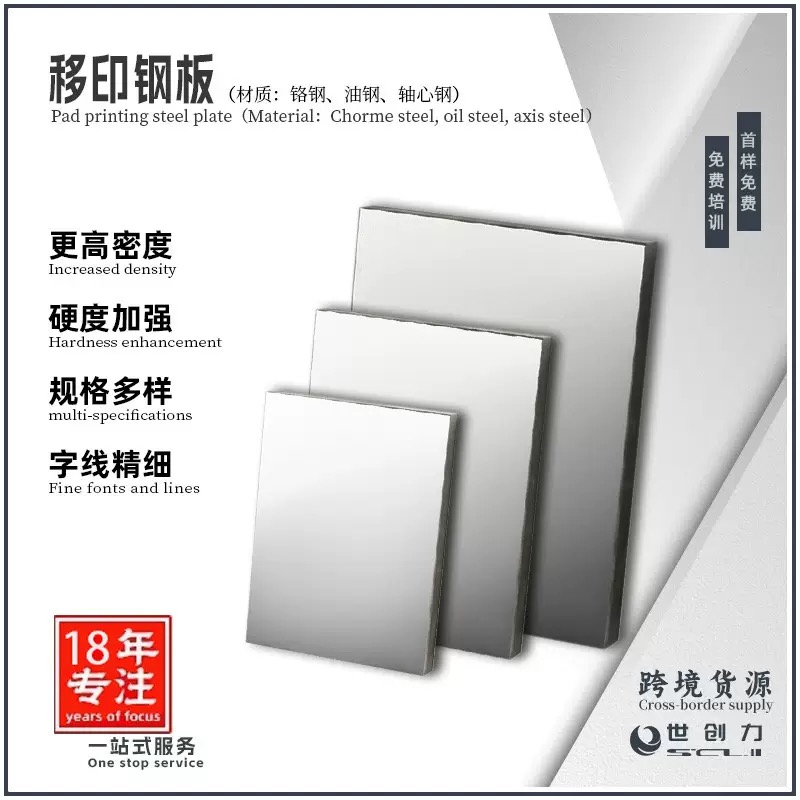
Detailed Architectural/Principle Analysis
In pad printing, the Transfer-printed steel plate (cliché) holds the etched image that receives ink. The etching depth directly influences the dried ink film thickness on the substrate. Standard gravure-style pad printing relies on capillary action and solvent evaporation. If the etching is too deep (e.g., exceeding 35 microns), the ink splits during pad lift-off, leaving a wet pool in the center that causes smudging or pinholes. Conversely, depths under 15 microns dry prematurely, preventing the silicone pad from lifting the complete pattern.
High-precision manufacturing environments leverage certified quality management workflows to maintain etching consistency. Materials such as the SCL-YYGB steel plate undergo rigorous physical, mechanical, and structural testing during production. This ensures that the surface hardness resists the constant scraping of the doctor blade or ink cup ring, preserving the exact micron-level depth over hundreds of thousands of cycles.
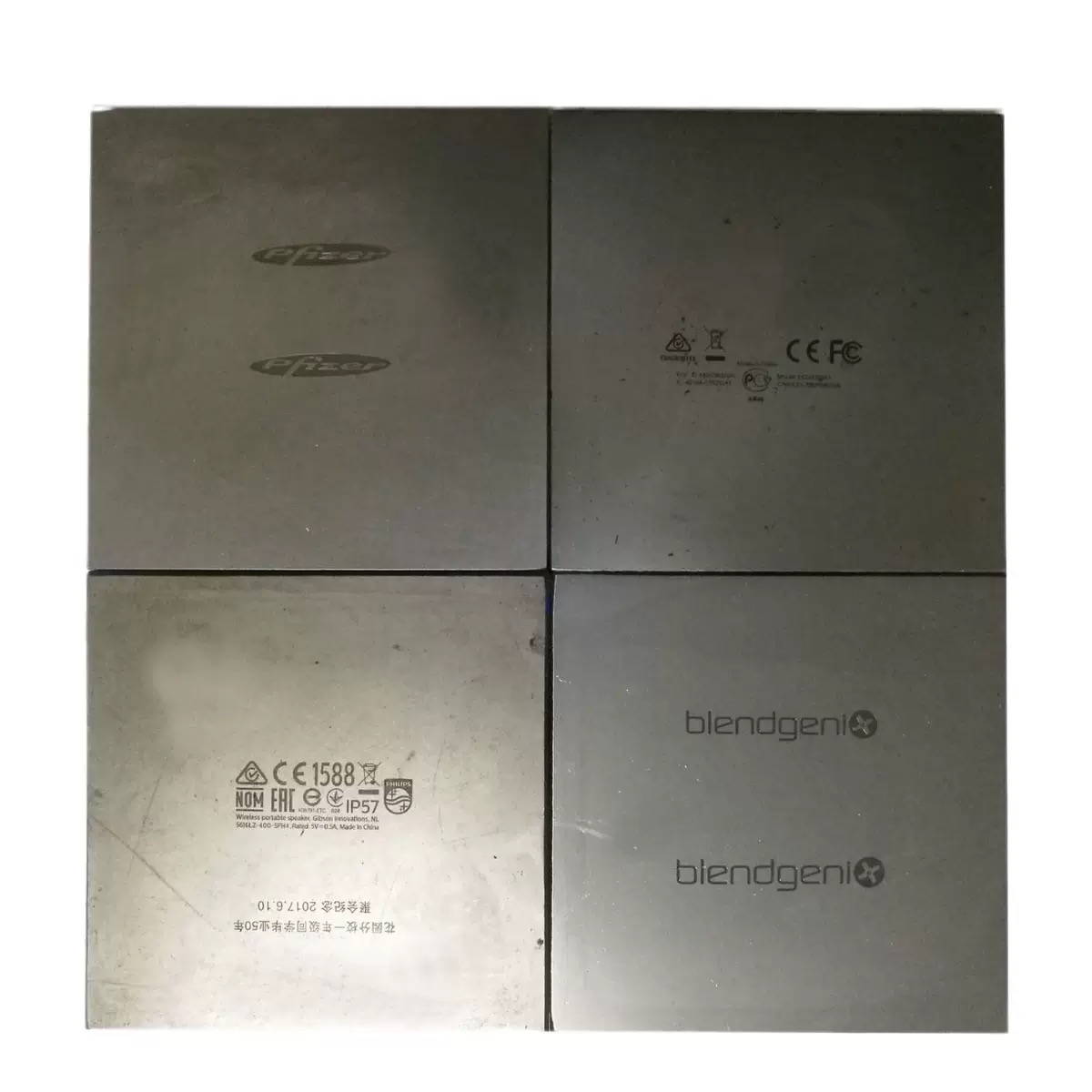
In international logistics and distribution, such as brand customization for luxury hospitality chains in Saudi Arabia, maintaining exact etching depths is necessary to reproduce fine logo details on diverse items like tableware, toiletries, and room decorations. Consistent plate depth ensures that brand visual identities remain uniform across ceramic, glass, and plastic surfaces without requiring constant machine recalibration.
Data/Solution Comparison
The table below outlines how etching depth variations affect printing performance across different application scenarios:
| Etching Depth (Microns) | Recommended Applications | Substrate Compatibility | Ink Deposit Level | Key Risk Factors |
|---|---|---|---|---|
| 15 – 19 | Fine lines, text, micro-graphics | Hard plastics, polished metals | Low (Thin layer) | Premature drying, incomplete transfer |
| 20 – 30 (Standard) | General logos, toys, consumer electronics | ABS, PVC, silicone, treated wood | Medium (Optimal) | None (Balanced performance) |
| 31 – 35 | Bold fonts, solid blocks, textured areas | Fabrics, textured hardware, coarse plastic | High (Thick layer) | Ink bleeding, pinholes, smudging |
Frequently Asked Questions (FAQ)
Q1: Why does a deeper etching depth sometimes result in lighter print opacity?
A1: When etching depth exceeds 35 microns, the silicone pad cannot reach the bottom of the etched well to draw out the ink. The trapped ink dries inside the plate, resulting in less ink being transferred to the substrate and lower print opacity.
Q2: How does doctor blade wear affect the plate's functional etching depth?
A2: Worn doctor blades apply uneven pressure, failing to clean the flat non-image areas of the steel plate. This leaves a thin film of residue ink (haze) on the surface, which replicates during the transfer cycle as background shadow.
Q3: Can the etching depth of the SCL-YYGB steel plate be customized for specific inks?
A3: Yes. High-viscosity inks or those containing coarse metallic pigments require custom plate depths (often 28 to 32 microns) to facilitate smooth release, which can be configured during the raw material etching process.
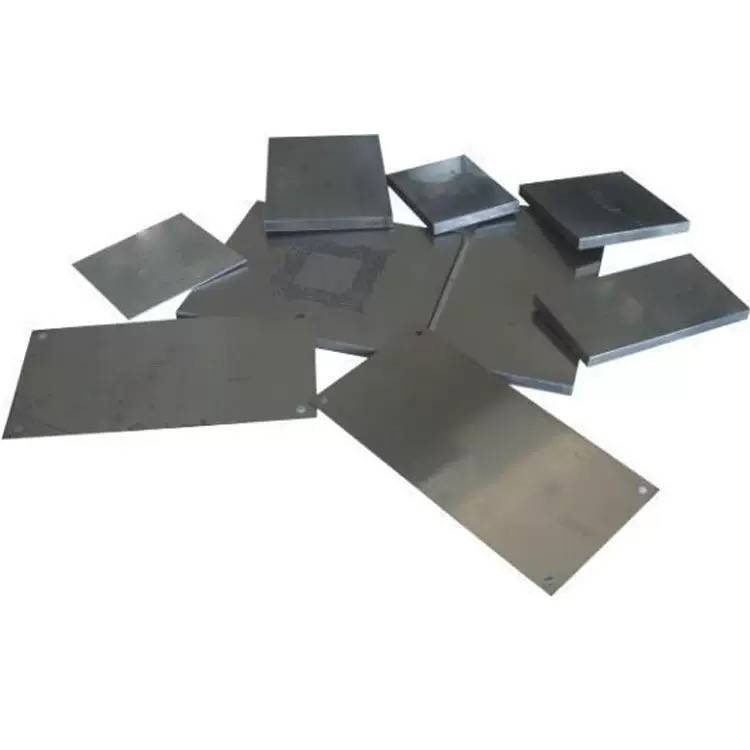
Final Conclusion & Recommendations
Selecting the correct etching depth is fundamental to achieving high-resolution pad printing results. For standard industrial tasks, a depth of 20 to 30 microns offers the most reliable balance of ink transfer, drying speed, and plate longevity. Partnering with suppliers that provide comprehensive quality testing—including physical, mechanical, and structural safety inspections—ensures consistent production yields. For customized tooling needs, utilizing a structured procurement model (such as advance plus final payment options) combined with secure shipping methods guarantees that precision plates arrive undamaged. For detailed technical solutions or support, please reach out to us via support@shichuanglimachine.com.
About Us
Dongguan Shichuangli Zhihui Technology Co., Ltd., established in 2008, operates a factory training base covering over 1,600 square meters in Dongguan, China, and employs a team of 150 specialists. The company integrates design, research, development, manufacturing, and technical training, serving over 15,000 enterprises globally with exports spanning North America, Europe, and Southeast Asia. Holding certifications like CNAS for specific product categories and utility model patents for its advanced printing machinery, Shichuangli delivers complete chain-of-printing application service ecosystems to clients across diverse industrial sectors.
Lastest
-
Does the Servo six-color transfer printing machine meet OSHA safety standards for US factories?
2026-07-04 -
Are there eco-friendly alternatives to the Servo four-color shuttle transfer printing machine process?
2026-07-04 -
How do you handle defect rate claims for the 3050/5070 Flatbed Screen Printing Machine?
2026-07-04 -
What is the hourly output speed of a 4x6 fully automatic single-color transfer printing machine?
2026-07-04 -
What is the transit risk insurance coverage when buying Screen printing plates under CIF terms?
2026-07-04
SUBSCRIBE
INQUIRY