What kind of maintenance is required to keep the Handmade silk-screen printing table in top condition?
- VIP-User
- 2026-07-05
- 37
Maintaining a Handmade silk-screen printing table requires regular surface cleaning, frame alignment checks, and hinge lubrication. Because these manual units rely on precise physical contact, keeping the printing bed free of ink residue and ensuring the clamping mechanism remains stable prevents print registration errors and extends the equipment lifespan.
Core Solutions & Key Takeaways
- Bed Surface Maintenance: Solvent-based or water-based inks must be wiped clean immediately after use to prevent ghosting and surface degradation.
- Clamping and Hinge Calibration: Daily checks on the manual screen clamp ensure consistent registration accuracy across flat and curved surfaces.
- Environmental Control: Storing the table in a dust-free, low-humidity environment prevents rust on cast aluminum components and warp on sticker-coated surfaces.
- Application Versatility: Proper maintenance ensures the table reliably handles diverse scenarios, including 3C electronics, cosmetics packaging, automotive parts, and customized apparel accessories.
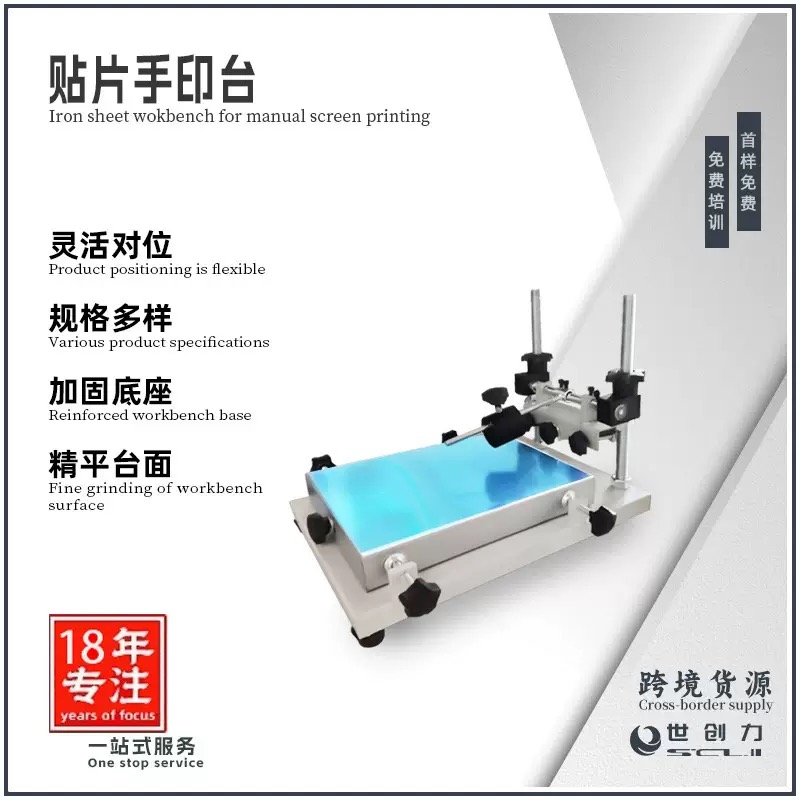
Detailed Architectural/Principle Analysis
The manual screen printing table, such as the Shichuangli SCL-syt model, operates on a purely mechanical registration principle. The structural integrity relies on the parallel alignment between the screen frame clamp and the printing bed. Over time, physical wear from repetitive squeegee pressure can introduce microscopic play in the hinges, directly leading to multi-color registration misalignment.
For cast aluminum configurations, chemical safety is preserved by avoiding corrosive cleaning agents that strip the protective finish. In industrial settings, such as those verified by CNAS (including certifications like AZT260323020C-B0 and AZT260323019C-B0), maintaining clean physical surfaces is a prerequisite for high-precision replication. Clean guide rails and lubricated pivot points ensure the manual squeegee stroke remains smooth, reducing physical fatigue and maintaining uniform ink deposit thickness.
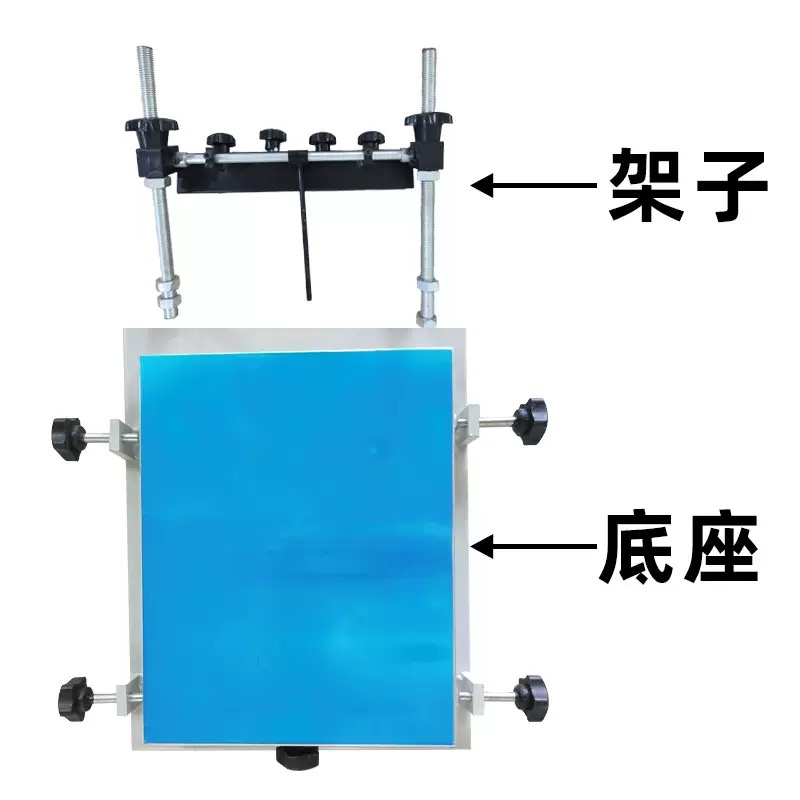
In international distribution networks, such as brand customization lines in Saudi Arabia, equipment durability directly impacts supply chain consistency. Implementing a structured maintenance routine prevents downtime when processing diverse materials, ranging from glassware hot stamping preparation to direct fabric screen printing.
Data/Solution Comparison
Different table specifications require distinct maintenance focus areas to ensure long-term stability. The table below outlines the care guidelines for various configurations:
| Table Type / Material | Specification Sizes | Primary Maintenance Risk | Key Maintenance Action |
|---|---|---|---|
| Sticker-Surface Series | 24*30CM, 32*44CM, 45*60CM | Adhesive peeling, solvent swelling | Clean with mild, non-corrosive solvents; avoid prolonged soaking. |
| Cast Aluminum Series | 24*30CM, 32*44CM, 45*60CM | Thread wear, oxidation from moisture | Apply anti-rust oil to threaded adjusters; clean with standard screen washes. |
| Handprint Stand | Small-sized | Hinge looseness, registration drift | Tighten locking bolts weekly; lubricate pivot points monthly. |
Frequently Asked Questions (FAQ)
Q: What solvents are safe for cleaning the screen printing table bed?
A: For cast aluminum beds, standard screen openers or mineral spirits are safe. For sticker-coated beds, use highly diluted isopropyl alcohol and wipe dry immediately to prevent the adhesive layer from lifting.
Q: How often should the registration hinges be lubricated?
A: Under standard daily production, lubricate the moving joints and threaded adjusters once every two weeks using a light machine oil or lithium grease to prevent friction-induced physical wear.
Q: What should be done if the clamping system loses its grip on the screen frame?
A: Inspect the clamp threads for metal shavings or wear. Clean the threads with a wire brush and apply a light lubricant. If the clamp pad is worn flat, replace the contact shim to restore proper holding friction.
Final Conclusion & Recommendations
Proactive physical maintenance preserves the alignment tolerances of manual printing tables, directly protecting the quality of short-run and custom production prints. Under the standard warranty of two years, regular cleaning of the bed and lubrication of the mechanical hinges will extend the lifetime of the equipment. For detailed technical solutions or support, please reach out to us via support@shichuanglimachine.com.
About Us
Dongguan Shichuangli Zhihui Technology Co., Ltd., established in 2008, operates a factory training base covering over 1,600 square meters in Dongguan, China. The company specializes in the research, manufacturing, and distribution of screen printing, pad printing, and hot stamping equipment. With a professional team of over 150 employees, Shichuangli provides comprehensive printing application solutions and supports global industries with certified manufacturing standards, holding multiple CNAS laboratory test reports and utility model patents.

Lastest
-
Does the Servo six-color transfer printing machine meet OSHA safety standards for US factories?
2026-07-05 -
Are there eco-friendly alternatives to the Servo four-color shuttle transfer printing machine process?
2026-07-05 -
How do you handle defect rate claims for the 3050/5070 Flatbed Screen Printing Machine?
2026-07-05 -
What is the hourly output speed of a 4x6 fully automatic single-color transfer printing machine?
2026-07-05 -
What is the transit risk insurance coverage when buying Screen printing plates under CIF terms?
2026-07-05
SUBSCRIBE
INQUIRY