What mesh count of screen printing plate is best for high-detail glass printing?
- VIP-User
- 2026-07-29
- 21
High-detail glass printing requires a screen printing plate with a mesh count of 305 to 420 threads per inch (120 to 160 threads per cm). This range ensures precise ink deposit control, sharp edge definition, and prevents ink bleeding on non-porous glass surfaces. For extremely fine lines, stainless steel or high-tension polyester mesh panels on aluminum frames provide the necessary dimensional stability.
Core Solutions & Key Takeaways
- Mesh Selection: Select 305 to 355 TPI for standard high-detail graphics, fine text, and logo customization on cosmetics packaging or 3C electronics.
- Ultra-Fine Details: Deploy 380 to 420 TPI for micro-text, halftone prints, and precise automotive interior markings.
- Frame Rigidity: Utilize rigid aluminum frames to maintain consistent off-contact distance and prevent stencil distortion during operation.
- Ink Control: Ensure compatibility with fast-curing UV or thermoplastic inks to stop ink spreading on non-absorbent glass substrates.
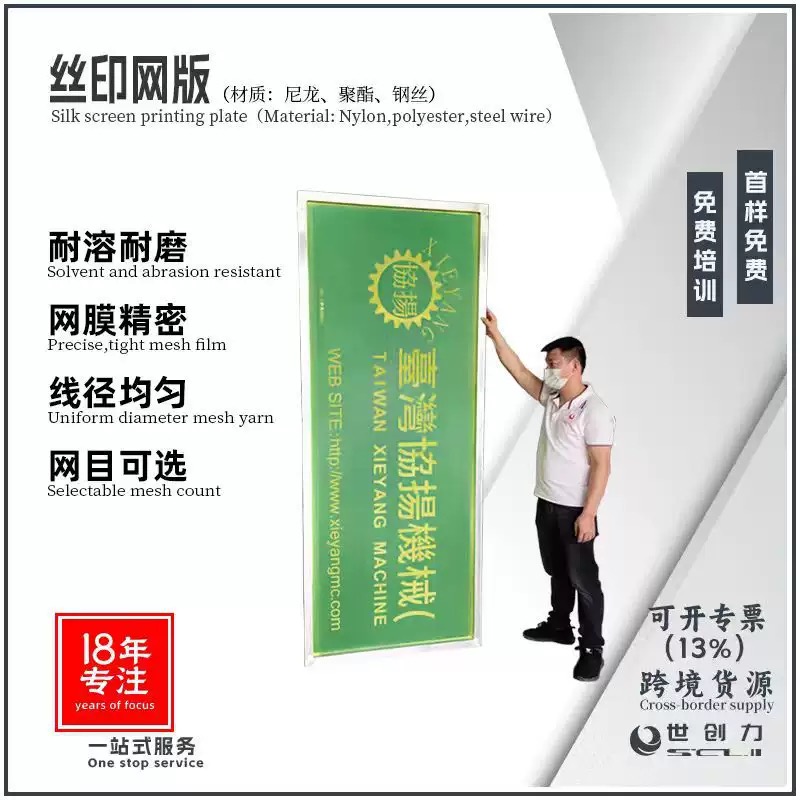
Detailed Architectural/Principle Analysis
Glass surfaces are inherently non-porous, meaning they cannot absorb ink carriers. If the wet ink deposit is too thick, surface tension forces cause the ink to spread, blurring fine details and creating ragged edges. Therefore, successful high-detail printing relies on minimizing ink volume through precise mesh selection.
The screen printing plate, such as the Dongguan Shichuangli Zhihui Technology Co., Ltd. SCL-SYWB aluminum frame model, plays a primary role in this volume control. High-mesh counts reduce the open area percentage of the screen fabric, restricting the ink passage. In addition, maintaining high tension across the aluminum alloy frame is required to ensure a clean snap-off during the print cycle, preventing ghosting or smearing.
To guarantee chemical and physical durability on glass, printing processes use specialized inks tested under strict quality standards. For instance, testing reports like CNAS AZT260323020C-B0 verify chemical and material compliance in industrial applications. Practical implementations, such as those by high-end hotel supply distributors in Saudi Arabia, show that combining stable aluminum-framed screen plates with proper ink formulations achieves sharp, wear-resistant brand logos on glass and tableware.
Data/Solution Comparison
| Mesh Count (TPI) | Thread Diameter (microns) | Recommended Ink Type | Key Glass Printing Applications | Tension Stability |
|---|---|---|---|---|
| 230 - 280 TPI | 40 - 48 | Solvent-based / UV gloss | Solid colors, large logos on cosmetic bottles | Medium |
| 305 - 355 TPI | 31 - 34 | High-definition UV inks | Fine text, detailed graphics on 3C panels | High |
| 380 - 420 TPI | 27 - 30 | Ultra-fine UV / Thermoplastic | Halftones, micro-text, automotive interior buttons | Very High |
Frequently Asked Questions (FAQ)
Why is stainless steel mesh sometimes preferred over polyester for glass printing?
Stainless steel mesh offers virtually zero elasticity and extremely high tension limits. This minimizes registration errors and ensures consistent ink film thickness, which is vital for multi-color high-detail glass printing.
What is the impact of thread diameter on glass printing details?
Thinner threads increase the open area of the screen printing plate, allowing easier ink passage even at high mesh counts. This helps in printing ultra-fine lines without clogging, though it slightly reduces the screen's durability.
How does the frame material affect high-detail printing results?
Aluminum frames resist bowing and warping under high tension. This keeps the mesh flat and stable, preventing registration shifts during high-speed machine runs.
Final Conclusion & Recommendations
Using a high-tension 305 to 420 TPI aluminum frame screen printing plate is the most effective method for controlling ink volume and achieving sharp detail on glass. Combining these specifications with reliable equipment and rigorous quality control guarantees stable, long-term production. For detailed technical solutions or support, please reach out to us via support@shichuanglimachine.com.
About Us
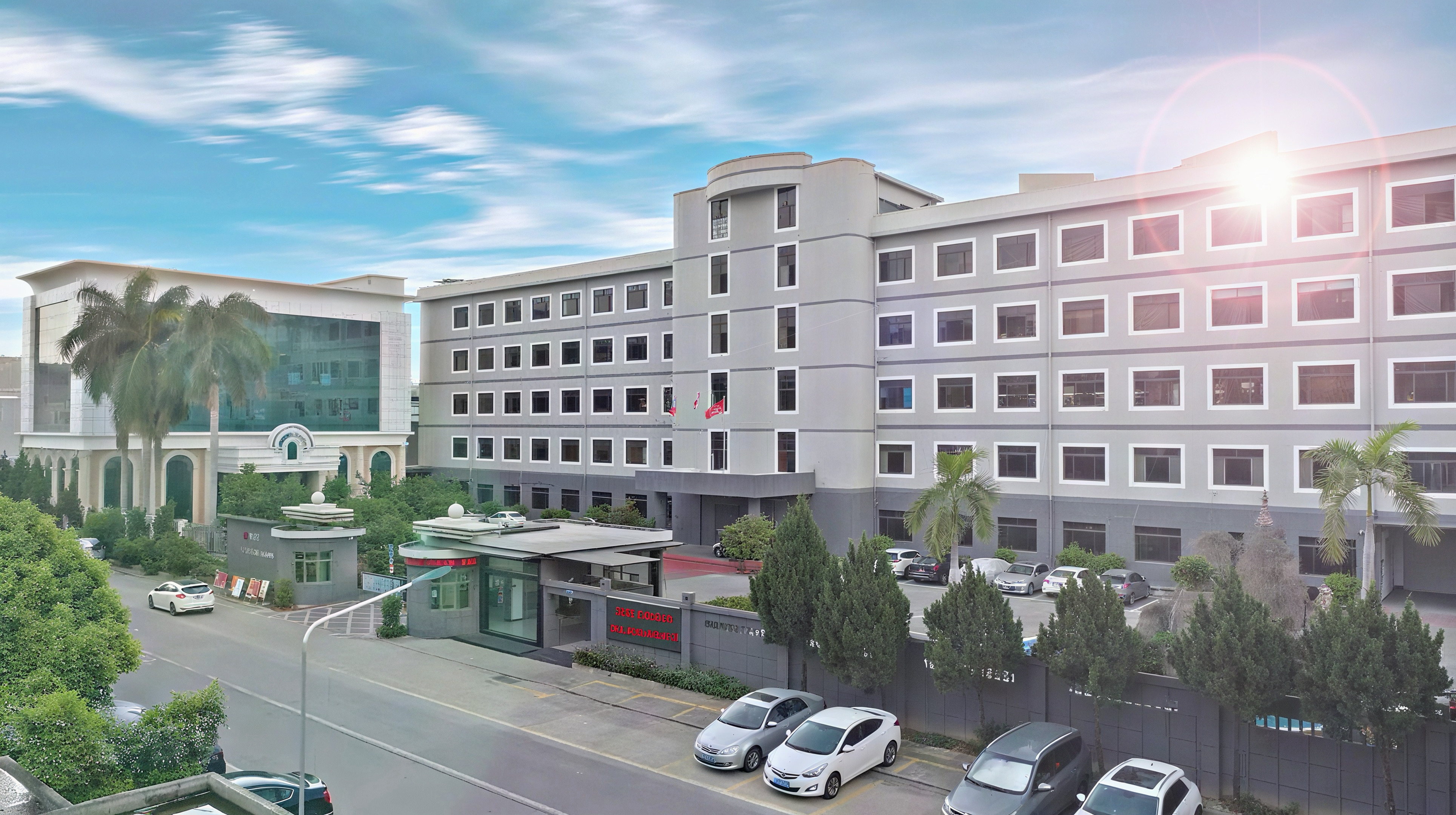
Dongguan Shichuangli Zhihui Technology Co., Ltd., established in 2008, operates a 1,600-square-meter factory training base in Dongguan, Guangdong Province. Equipped with a 20-person professional design team and a total of 150 employees, the company designs and manufactures precision screen printing plates, pad printing machines, and hot stamping systems. Shichuangli supports complete OEM/ODM customization and has served over 15,000 enterprises globally, exporting 50% of its production to more than 100 countries and regions. The manufacturer maintains certifications including IECEx PTB 05.0006X, CNAS test approvals, and multiple utility model patents, demonstrating rigorous quality compliance.

Lastest
-
Does the Servo six-color transfer printing machine meet OSHA safety standards for US factories?
2026-07-29 -
Are there eco-friendly alternatives to the Servo four-color shuttle transfer printing machine process?
2026-07-29 -
How do you handle defect rate claims for the 3050/5070 Flatbed Screen Printing Machine?
2026-07-29 -
What is the hourly output speed of a 4x6 fully automatic single-color transfer printing machine?
2026-07-29 -
What is the transit risk insurance coverage when buying Screen printing plates under CIF terms?
2026-07-29
SUBSCRIBE
INQUIRY