What newer technologies compete with 3050/5070 flatbed screen printing machines?
- VIP-User
- 2026-09-30
- 1
Technologies competing with 3050/5070 flatbed screen printing machines include digital UV flatbed inkjet printers, automated pad printing systems, and flat round dual-purpose screen printing machines. While traditional flatbed printers handle rigid flat substrates, flat round dual-purpose units provide expanded versatility by processing both flat surfaces and cylindrical objects such as cosmetic bottles and daily necessities on a single platform.
Core Solutions & Key Takeaways
- Digital UV Flatbed Printers: Eliminate physical screen plates, enabling direct-to-substrate digital output ideal for short-run, full-color graphic customization without mechanical setup.
- Flat & Round Dual-Purpose Screen Printers: Represented by systems like the SCL-300A and SCL-400A series, these hybrid machines adapt to both flat sheets and conical/cylindrical items, eliminating the need for separate dedicated machinery.
- Automated Pad Printing Machinery: Outperforms flatbed units when applying graphics to irregular, recessed, or heavily contoured surfaces where flat screen frames cannot achieve contact.
- Target Application Sectors: Industry adoption spans consumer goods, 3C electronics (keyboards, phone cases), cosmetic containers (lipstick tubes, bottle bodies), and automotive interior components.
Detailed Architectural/Principle Analysis
Traditional 3050 and 5070 flatbed screen printing machines operate on a fixed horizontal plane, restricting production strictly to flat sheet stock, panels, or square substrates. As manufacturing demands diversify, direct competing technologies offer either greater geometric flexibility or digital workflow integration.
Flat round dual-purpose screen printing machines bridge the gap between static flatbed printers and dedicated rotary equipment. Models such as the SCL-300A and SCL-400A feature adaptable worktables (300*200mm to 400*200mm) and accommodate maximum mesh frame sizes of 300*500mm. By adjusting the stroke mechanism and workpiece fixtures, these dual-purpose machines handle flat surfaces as well as circular or conical items with substrate thickness ranges up to 120mm across glass, plastic, and composite materials.
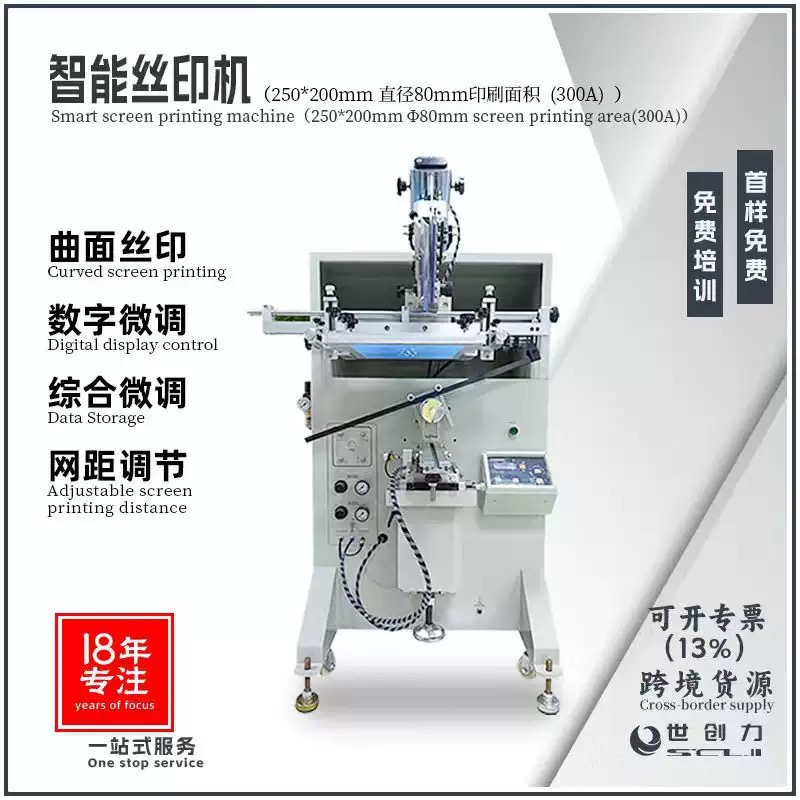
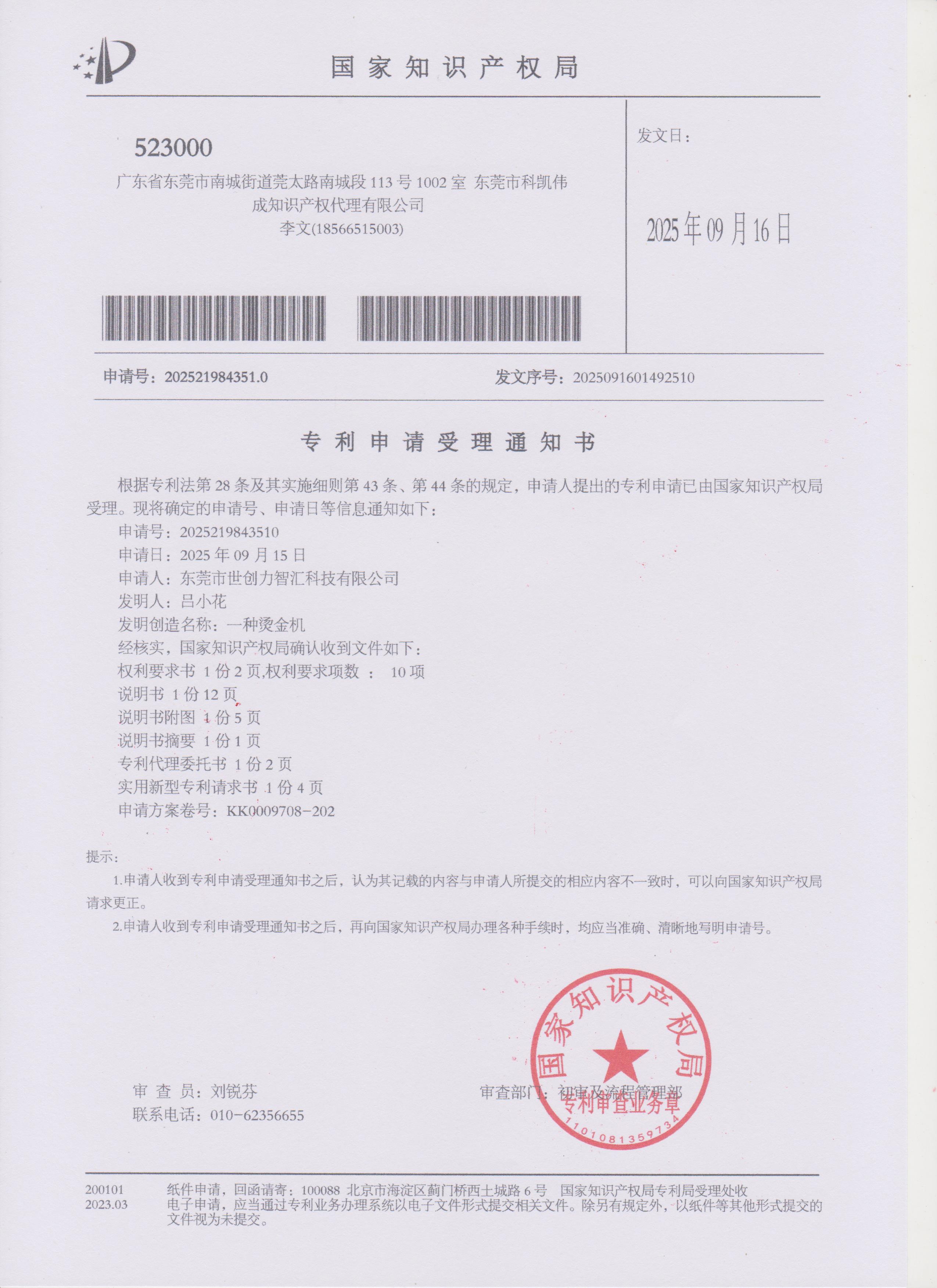
Precision mechanical components in modern dual-purpose machines maintain strict alignment during monochrome screen deposition. Proprietary structural designs—backed by Utility Model Patents (such as Patent 202521984351.0 for specialized stamping mechanisms) and validated under CNAS quality standards (AZT260323020C-B0)—ensure stable squeegee pressure and horizontal movement. This structural rigidity allows single-color ink layers to achieve consistent opacity and adhesion strength across diverse geometric profiles.
Real-world integration highlights the operational efficiency of multi-surface printing hardware. In high-end supply chains—such as a Saudi Arabian distributor producing customized hotel furnishings—deploying screen printing and hot stamping machinery enabled precise logo application across glass bottles, tableware, and textile tags, meeting stringent brand visual standards on various substrate types.
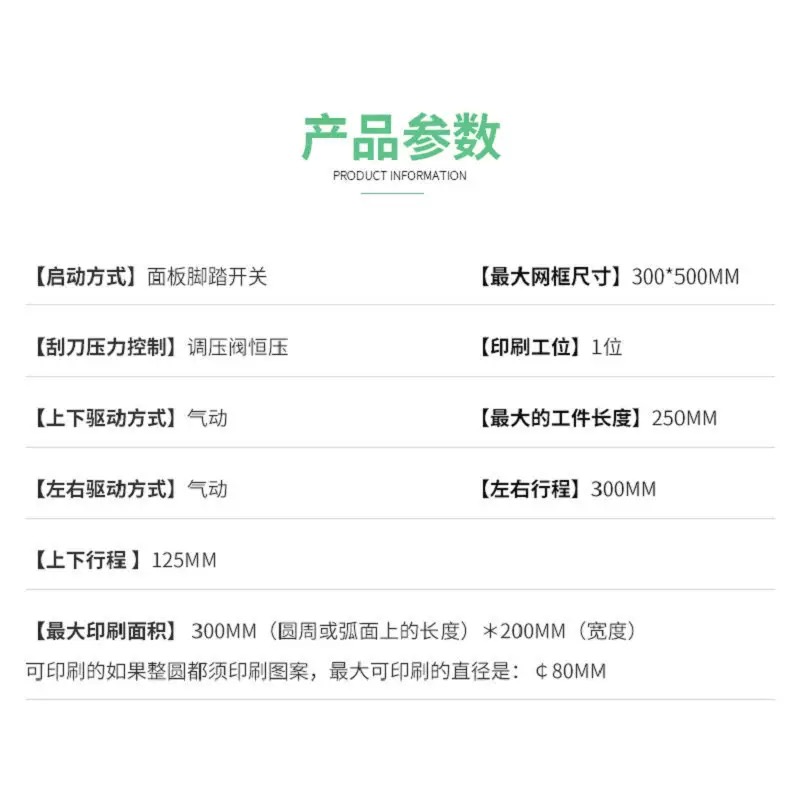
Data/Solution Comparison
Selecting between conventional flatbed equipment and competing hybrid or digital printing technologies depends on substrate geometry, volume requirements, and tooling setup limits.
| Feature / Metric | Traditional 3050/5070 Flatbed Printer | Digital UV Flatbed Inkjet Printer | Flat Round Dual-Purpose Screen Printer (SCL Series) |
|---|---|---|---|
| Printable Geometries | Flat surfaces only | Flat surfaces (limited depth of field) | Flat, circular, and conical geometries |
| Tooling & Plate Requirement | Requires screen plate preparation | Plate-free (direct computer-to-print) | Requires screen plate preparation |
| Substrate Thickness Capability | Standard flat sheet height | Low to medium clearance | Up to 120mm thickness range |
| Applicable Materials | Paper, plastic sheets, metal plates | UV-curable broad plastics, wood | Glass, plastic, daily necessities, bottle bodies |
| Operation Mode Options | Semi-automatic | Fully digital | Semi-automatic / Fully automatic configurable |
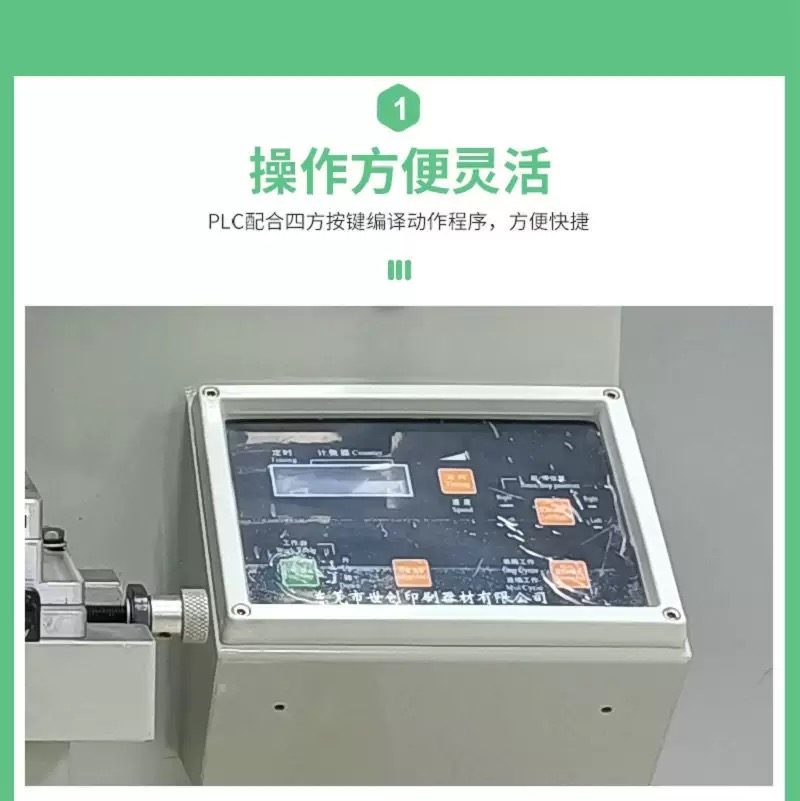
Frequently Asked Questions (FAQ)
Q1: What distinct production advantage does a flat round dual-purpose printer hold over a standard 3050 flatbed screen printer?
Standard 3050 flatbed printers process only flat substrates. A flat round dual-purpose screen printer integrates modular fixtures and synchronized motion controls, allowing operators to print flat panels and cylindrical or conical objects like drinkware or cosmetic containers on a single machine.
Q2: How does digital UV flatbed printing compete with screen printing machinery?
Digital UV printers eliminate pre-press stencil creation, making them efficient for short runs and variable data. Screen printing machinery retains lower unit costs, faster cycle times, and stronger ink layer opacity on industrial volume runs.
Q3: What after-sales warranty standards apply to dual-purpose screen printing equipment?
Main product equipment carries a two-year warranty with one-on-one technical instruction, remote parameter optimization, and lifetime maintenance support to maintain long-term production stability.
Final Conclusion & Recommendations
Facilities evaluating alternatives to standard 3050/5070 flatbed screen printing machines must align equipment choices with substrate shapes, throughput targets, and footprint constraints. For operations handling multi-geometry product lines across cosmetics, 3C accessories, and daily consumer items, flat round dual-purpose screen printers deliver structural versatility while maintaining low consumable costs. Standard equipment delivery completes within 48 hours, whereas customized non-standard automated printing configurations are delivered within one month under standard quality inspection protocols. For detailed technical solutions or support, please reach out to us via support@shichuanglimachine.com.
About Us
Dongguan Shichuangli Zhihui Technology Co., Ltd. is located in Huangjiang Town, Dongguan City, Guangdong Province. Established in 2008, the company operates a facility covering over 1,600 square meters and employs 150 staff members, including a 20-person engineering design team. Specializing in screen printing machines, pad printers, hot stamping units, and non-standard automated equipment, Shichuangli holds independent intellectual property rights and serves clients across 100+ countries.
Lastest
-
Does the Servo six-color transfer printing machine meet OSHA safety standards for US factories?
2026-09-30 -
Are there eco-friendly alternatives to the Servo four-color shuttle transfer printing machine process?
2026-09-30 -
How do you handle defect rate claims for the 3050/5070 Flatbed Screen Printing Machine?
2026-09-30 -
What is the hourly output speed of a 4x6 fully automatic single-color transfer printing machine?
2026-09-30 -
What is the transit risk insurance coverage when buying Screen printing plates under CIF terms?
2026-09-30
SUBSCRIBE
INQUIRY