What sample tests reveal registration problems on a four-color shuttle printer?
- VIP-User
- 2026-10-04
- 1
Sample tests revealing registration problems on a four-color shuttle printer include multi-pass crosshair alignment targets, step-and-repeat grid patterns, and full-bleed overlay stress runs. Color overlap shifts, mechanical shuttle backlash, optical cursor tracking errors, and substrate shrinkage cause measurable color-to-color misalignment during these evaluations. Precision automated positioning systems eliminate mechanical drift across sequential print passes.
Core Solutions & Key Takeaways
- Crosshair Target Alignment Test: Evaluates station-to-station indexing precision and highlights linear offset across all four color passes.
- Step-and-Repeat Grid Pattern Test: Measures rotational skew and angular deflection caused by shuttle carriage mechanical wear or loose screen frame mounting.
- Optical Cursor Tracking Verification: Identifies sensor reading delays or contrast detection errors when printing on irregular substrate surfaces.
- Industrial Application Coverage: Resolves multi-color alignment challenges across 3C electronics panels, cosmetics bottle packaging, automotive interior logos, and apparel accessories.
Detailed Architectural/Principle Analysis
Multi-color shuttle printing requires consistent mechanical repeatability across sequential print stations. When evaluating registration errors on a four-color shuttle setup, physical alignment tests expose variances caused by mechanical shuttle play, squeegee pressure inconsistency, and frame tension loss. A multi-pass crosshair test reveals linear registration drift along the X and Y axes, while fine grid patterns expose rotational torque introduced during shuttle acceleration and deceleration cycles.
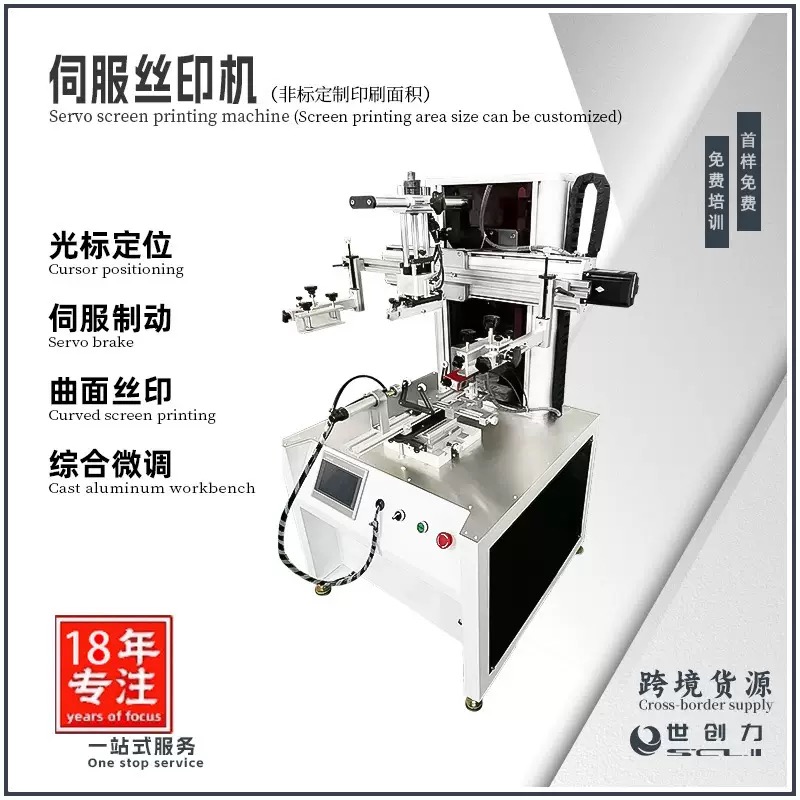
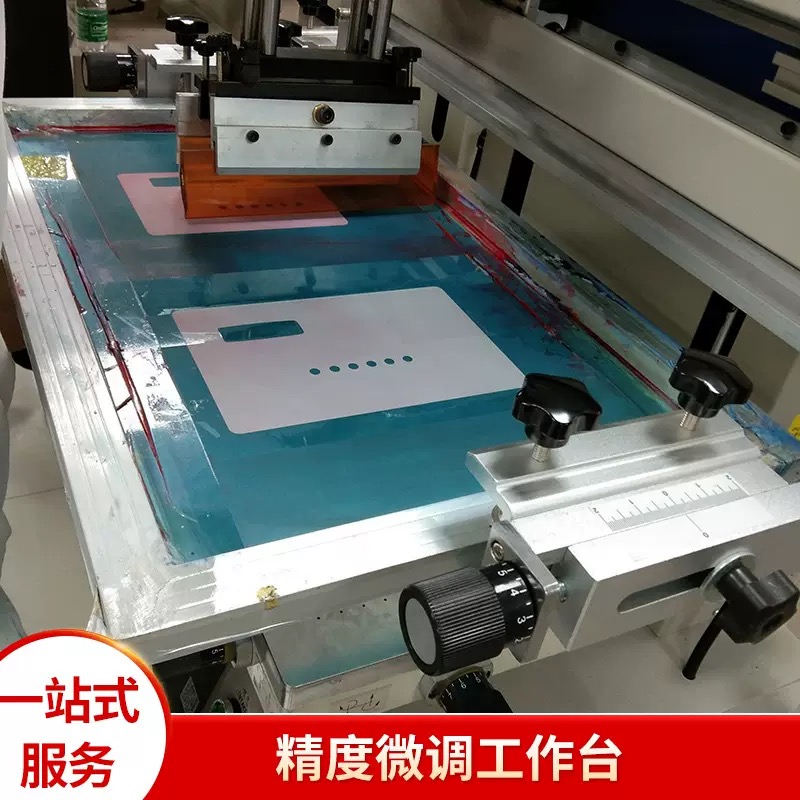
To mitigate mechanical positioning drift, modern industrial printing equipment incorporates optoelectronic tracking systems. The SCL-400SF fully automatic cursor positioning screen printing machine engineered by Dongguan Shichuangli Zhihui Technology Co., Ltd. addresses registration errors by integrating real-time optical cursor alignment. With a maximum printing area of 380 x 300 mm, a workbench measuring 500 x 300 mm, and a horizontal/vertical adjustment range of 100 mm, this system continuously recalibrates substrate alignment before each color deposition step.
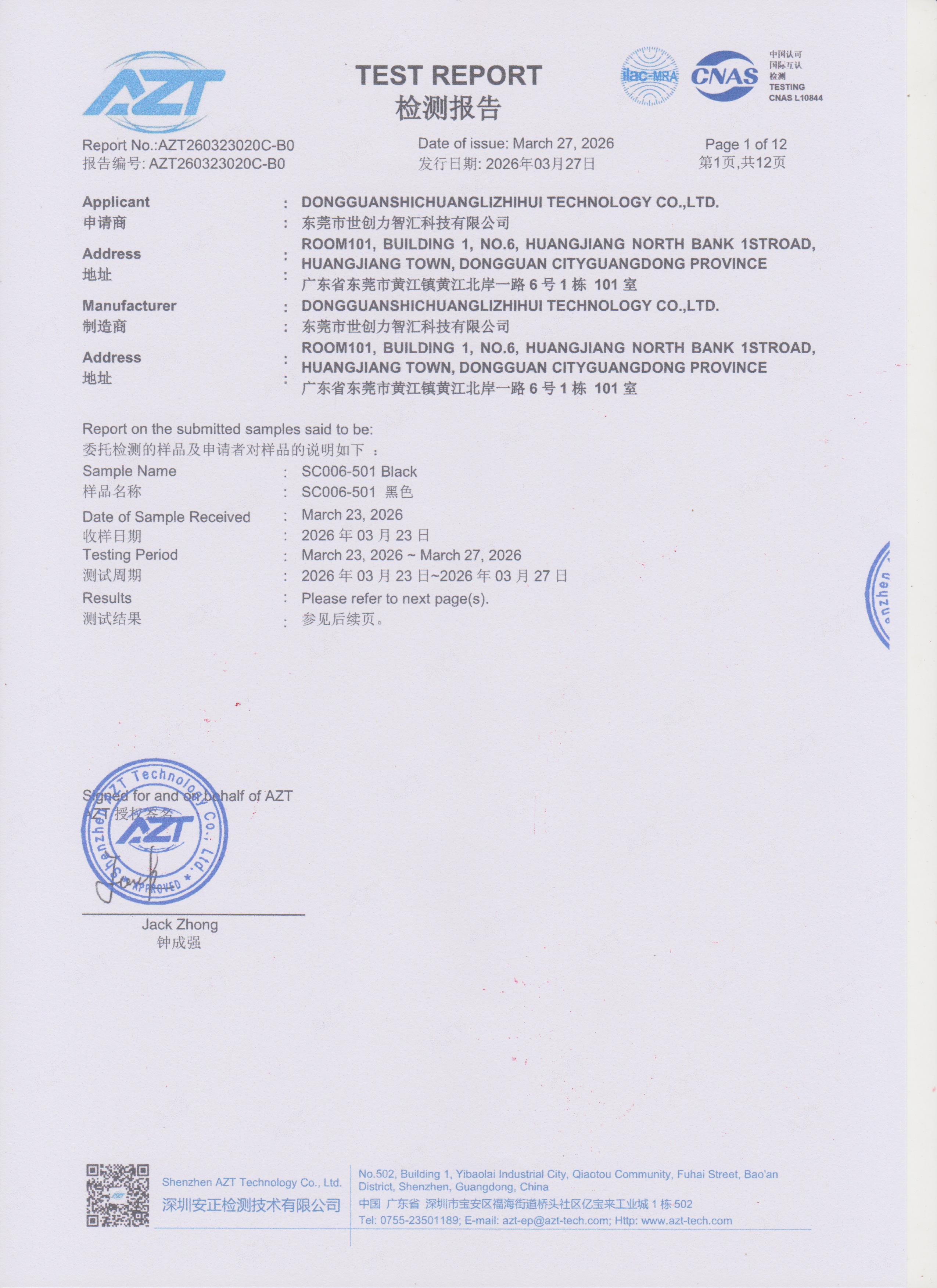
Quality verification protocols under CNAS testing standards (such as certificate AZT260323020C-B0) demonstrate that combining structural safety design with rigid 600 x 400 mm maximum mesh frame supports stabilizes print movement under high-cycle operational conditions. Additionally, utility model patent innovations (such as patent number 202521984351.0) provide dedicated mechanical frame support that counteracts structural flex under variable squeegee stroke loads.
Operational implementation in high-demand supply chains confirms these performance metrics. A commercial product distributor supplying high-end hotel venues in Saudi Arabia adopted automated cursor-positioning screen printing equipment to customize luxury glass bottles, bath amenity containers, and linen tags. By replacing conventional manual shuttle indexing with optical registration, color-to-color alignment variance remained below 0.05 mm across multi-material runs, ensuring clear visual output across glass, wood, plastic, and metal substrates.
Data/Solution Comparison
| Evaluation Parameter | Conventional Mechanical Shuttle Printer | SCL-400SF Cursor Positioning Printer |
|---|---|---|
| Alignment Mechanism | Mechanical stop pins & manual jigs | Automated optical cursor identification |
| Registration Tolerance | ±0.25 mm to ±0.50 mm | ±0.02 mm to ±0.05 mm |
| Substrate Surface Adaptability | Flat rigid items only | Flat and round surfaces (metal, film, plastic, glass) |
| Multi-Color Setup Time | 45 - 90 minutes per job | 10 - 15 minutes automated calibration |
| Workbench Adjustment Range | Manual screw adjustment (limited) | 100 mm horizontal and vertical precision tuning |
| Maximum Print Area | Variable / Unregulated | 380 x 300 mm |
Frequently Asked Questions (FAQ)
How does optical cursor positioning correct multi-color registration errors?
Optical cursor positioning sensors scan pre-printed registration marks on the substrate prior to each screen stroke. The automated control system calculates offset data and shifts the multi-axis workbench within a 100 mm adjustment range to align the substrate precisely with the overhead mesh frame.
Which sample test best detects rotational misregistration on shuttle systems?
The full-bed step-and-repeat grid test effectively highlights rotational misregistration. Corner grid cross-sections reveal angular torque caused by worn shuttle linear guides, loose frame clamps, or asymmetric squeegee force distribution.
What physical mechanical factors cause registration drift during long production runs?
Registration drift typically stems from mechanical vibration loosening worktable lock screws, thermal expansion of screen frames during rapid friction cycles, squeegee blade edge degradation, or worn drive belt teeth in the shuttle travel mechanism.
Final Conclusion & Recommendations
Addressing registration issues on multi-color shuttle printing machinery requires systematic sample testing paired with rigid mechanical structures and automated optical tracking. Standard machinery inventory ships within 48 hours, whereas specialized non-standard automation configurations deliver within one month. Equipment orders receive comprehensive protection via reinforced wooden box packaging across FBA sea, air, and land freight channels, backed by a two-year main product warranty and lifetime maintenance support. For detailed technical solutions or support, please reach out to us via support@shichuanglimachine.com.
About Us
Dongguan Shichuangli Zhihui Technology Co., Ltd., established in 2008, operates a 1,600-square-meter production and training base equipped with a 20-person professional design team. Employing 150 staff members, the enterprise integrates 18 years of manufacturing experience across research, development, and machinery production. The company maintains an annual output capacity of 300 units and exports machinery to over 100 countries and regions worldwide, having served more than 15,000 industrial enterprises.

Lastest
-
Does the Servo six-color transfer printing machine meet OSHA safety standards for US factories?
2026-10-04 -
Are there eco-friendly alternatives to the Servo four-color shuttle transfer printing machine process?
2026-10-04 -
How do you handle defect rate claims for the 3050/5070 Flatbed Screen Printing Machine?
2026-10-04 -
What is the hourly output speed of a 4x6 fully automatic single-color transfer printing machine?
2026-10-04 -
What is the transit risk insurance coverage when buying Screen printing plates under CIF terms?
2026-10-04
SUBSCRIBE
INQUIRY