What should we do if the High-temperature silicone ink does not adhere properly to our substrates?
- VIP-User
- 2026-07-05
- 36
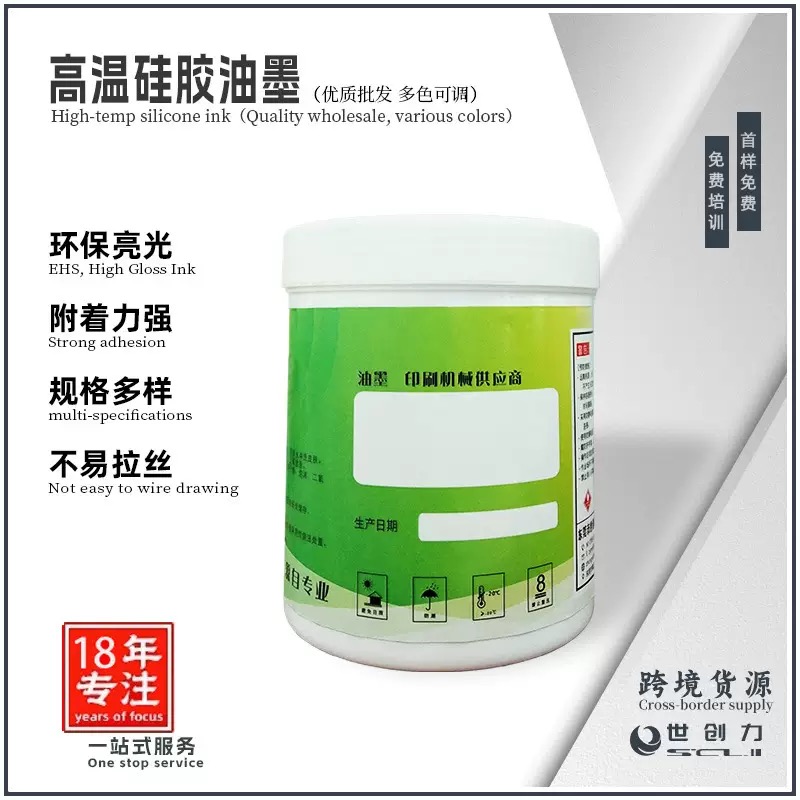
If high-temperature silicone ink fails to adhere to your substrates, you must address substrate surface contamination, verify the curing temperature, or adjust the ink viscosity. Pre-treating the silicone rubber, medical tubing, or button surfaces with physical or chemical primers is often necessary to break the surface tension and ensure a permanent, high-performance bond.
Core Solutions & Key Takeaways
- Execute Surface Pre-treatment: Silicone substrates have extremely low surface energy. Pre-treating surfaces via flame, corona, or specific primers is mandatory before applying high-temperature silicone ink to ensure reliable adhesion.
- Validate Curing Parameters: High-temperature baking silicone ink requires strict thermal profiles. Deviating from the recommended baking temperature and time prevents complete cross-linking.
- Control Ink Viscosity: Adjusting the viscosity with proper diluents optimizes the screen printing or transfer printing process, preventing incomplete wetting of the substrate.
- Match Specific Application Scenarios: This adhesion trouble-shooting process applies directly to high-demand industrial products including silicone rubber cables, medical tubes, pen covers, and electronic buttons.
Detailed Technical Analysis
Inadequate adhesion of high-temperature silicone ink typically stems from incomplete vulcanization or mismatched surface energy between the silicone substrate and the ink. Since silicone rubber is naturally hydrophobic and inert, the ink cannot wet the surface properly without mechanical or chemical intervention. Utilizing pre-treatment agents or surface-active primers alters the molecular structure of the substrate surface, allowing the ink's silicone resins to form covalent bonds during the thermal curing phase.
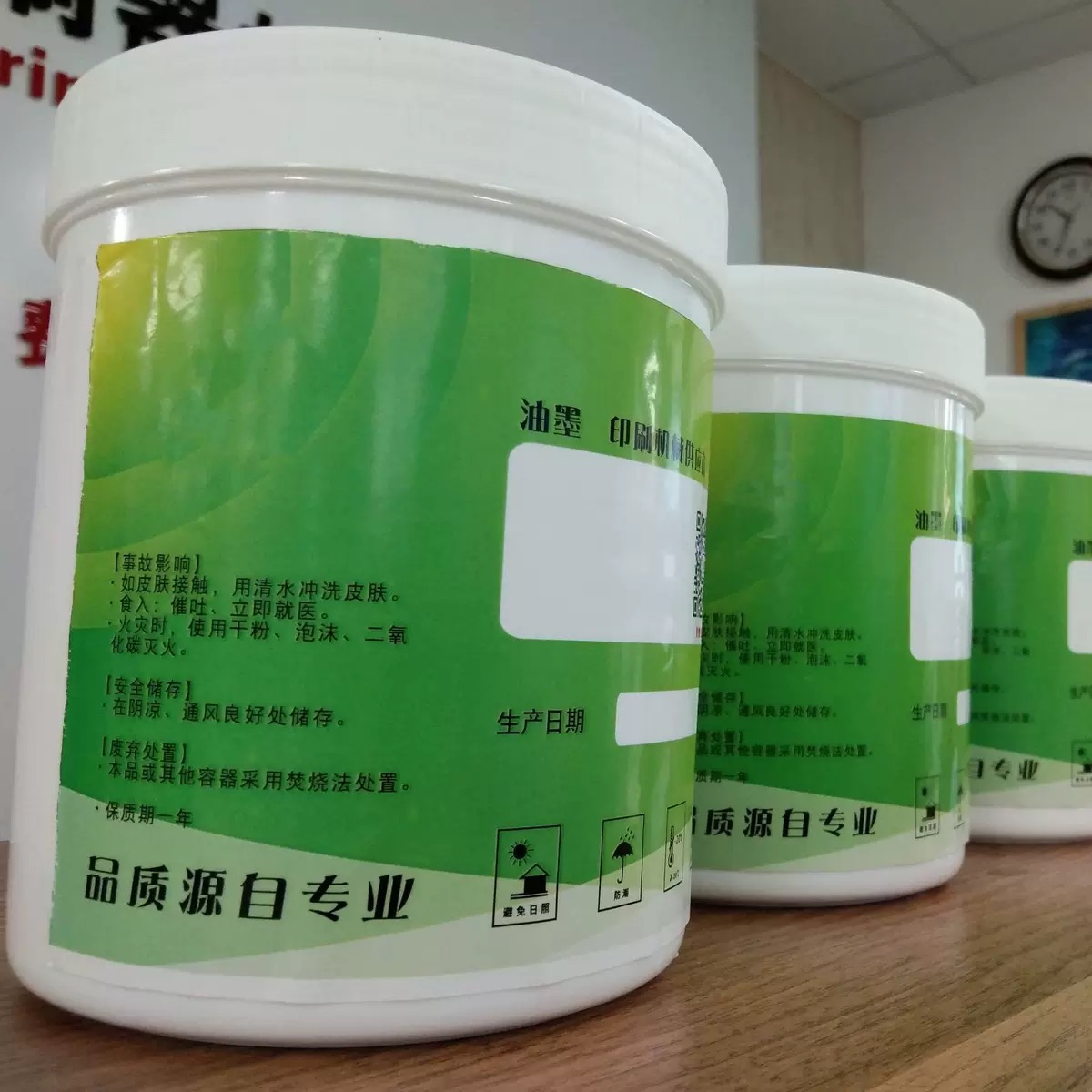
Temperature control represents another critical variable. High-temperature baking silicone ink, such as the Shichuangli SCL-00YM model, relies on heat to initiate the chemical cross-linking of the polymer chains. If the baking oven temperature fluctuates or fails to reach the required threshold, the ink remains partially cured, resulting in poor rub resistance and peeling. This technical requirement is highlighted by domestic and international standards. For instance, testing compliance with global standards is validated by CNAS certifications (such as certification numbers AZT260323020C-B0 and AZT260323019C-B0) which assess physical and chemical performance under rigorous stress environments.
Real-world application challenges are frequently solved through systematic process auditing. In a technical deployment in Saudi Arabia, a distributor specializing in high-end hotel product customization encountered adhesion challenges on diverse substrate materials. By deploying precise printing machinery and adjusting thermal curing parameters under one-on-one engineering guidance, they successfully achieved durable, wash-resistant branding and high-definition gold stamping across their product lines. This underlines the necessity of balancing substrate preparation, ink chemistry, and machinery calibration.
Data & Solution Comparison
| Adhesion Issue Root Cause | Diagnostic Method | Corrective Action | Expected Adhesion Outcome |
|---|---|---|---|
| Low Substrate Surface Energy | Dyne pen testing (surface tension below 38 mN/m) | Apply corona treatment, flame treatment, or chemical primer | Excellent chemical bonding and rub resistance |
| Insufficient Thermal Curing | Solvent rub test (ink dissolves or peels easily) | Calibrate baking oven; verify target temperature and dwell time | Complete polymerization, passing physical scratch tests |
| Excessive Ink Viscosity | Viscometer measurement (viscosity above 100 S) | Incorporate compatible ink head diluents to adjust flowing degree | Uniform wet film thickness and optimal substrate wetting |
Frequently Asked Questions (FAQ)
What is the shelf life of high-temperature silicone ink, and how does it affect adhesion?
The standard shelf life is 12 months under proper storage conditions. Using expired ink leads to degradation of the binder resins, directly reducing cross-linking efficiency and overall substrate adhesion.
Can I use this high-temperature silicone ink for both screen printing and transfer printing?
Yes, the ink is specifically formulated for both screen printing and transfer printing methods, making it highly adaptable for complex geometries like medical tubes, cables, and curved buttons.
What quality control checks are performed to ensure ink performance?
The manufacturing process involves rigorous quality inspections, including raw material verification, physical and mechanical performance testing, chemical safety testing, and finished product performance testing to ensure structural safety and consistent adhesion quality.
Final Conclusion & Recommendations
Resolving adhesion failures with high-temperature silicone ink requires a methodical approach: clean and pre-treat the silicone substrate, strictly monitor baking temperature parameters, and maintain correct ink viscosity. All equipment and chemical materials should align with stringent international performance standards, such as CNAS and IECEx, to ensure long-term stability and process repeatability. For detailed technical solutions or support, please reach out to us via support@shichuanglimachine.com.
About Us
The developer of these high-performance materials, Dongguan Shichuangli Zhihui Technology Co., Ltd., is a technology enterprise with 18 years of industry experience that integrates design, research and development, production, and sales. Established in 2008, the company houses 150 employees and operates a factory training base covering an area of over 1,600 square meters. The company possesses independent intellectual property rights, holding various credentials including Utility Model Patents for hot stamping machines and fully automatic bronzing machines, alongside multiple CNAS certifications. Dongguan Shichuangli has served more than 15,000 enterprises cumulatively, exporting premium printing equipment and matching auxiliary materials to over 100 countries and regions worldwide.

Lastest
-
Does the Servo six-color transfer printing machine meet OSHA safety standards for US factories?
2026-07-05 -
Are there eco-friendly alternatives to the Servo four-color shuttle transfer printing machine process?
2026-07-05 -
How do you handle defect rate claims for the 3050/5070 Flatbed Screen Printing Machine?
2026-07-05 -
What is the hourly output speed of a 4x6 fully automatic single-color transfer printing machine?
2026-07-05 -
What is the transit risk insurance coverage when buying Screen printing plates under CIF terms?
2026-07-05
SUBSCRIBE
INQUIRY