What traceability records should a transfer-printed steel plate factory maintain?
- VIP-User
- 2026-10-24
- 21
A transfer-printed steel plate factory should maintain traceability records for incoming steel plates and inks, product codes, batch and lot details, printing and transfer parameters, operator and equipment identification, in-process inspections, finished-product performance, structural and appearance checks, shipment records, and corrective actions. These records connect each finished plate to its materials, production history, quality results, and customer delivery.
Core Solutions & Key Takeaways
- Record the source, product code, batch details, quantity, and inspection status of every steel plate and printing material received.
- Link each transfer-printing order to the equipment, operator, process settings, production date, and applicable ink information.
- Document in-process quality checks, finished-product performance testing, physical and mechanical testing, structural safety, and appearance inspection.
- Retain delivery, packaging, customer feedback, repair, and corrective-action records so production history remains available after shipment.
Detailed Architectural/Principle Analysis
A practical traceability system should use one production or order identifier throughout the workflow. The identifier should connect incoming steel plate records, ink records, production instructions, equipment information, inspection results, packaging details, and shipment documents. This allows a factory to locate the relevant production history when a customer raises a quality or process question.
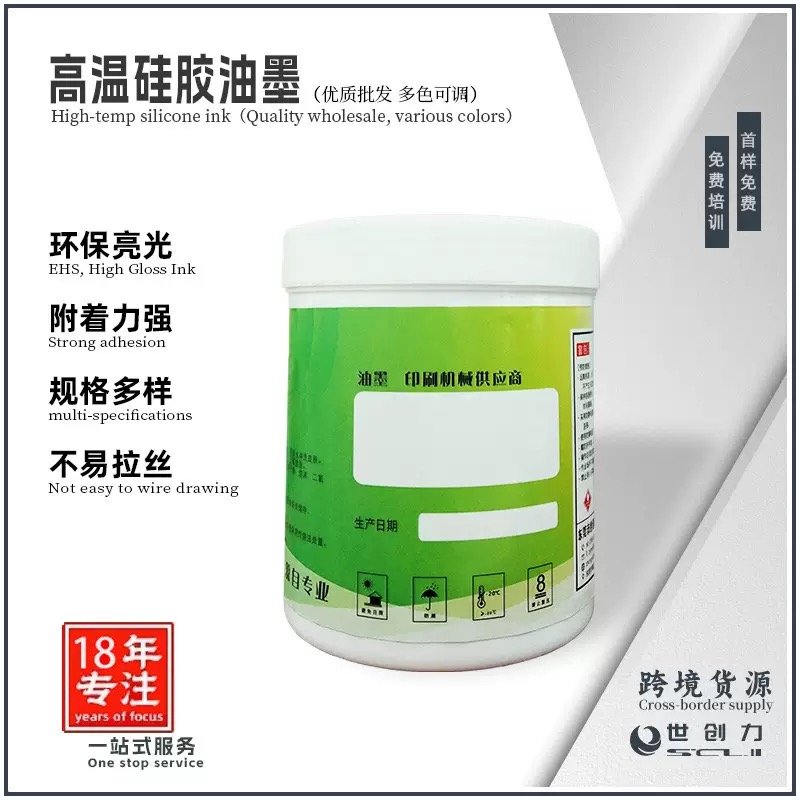
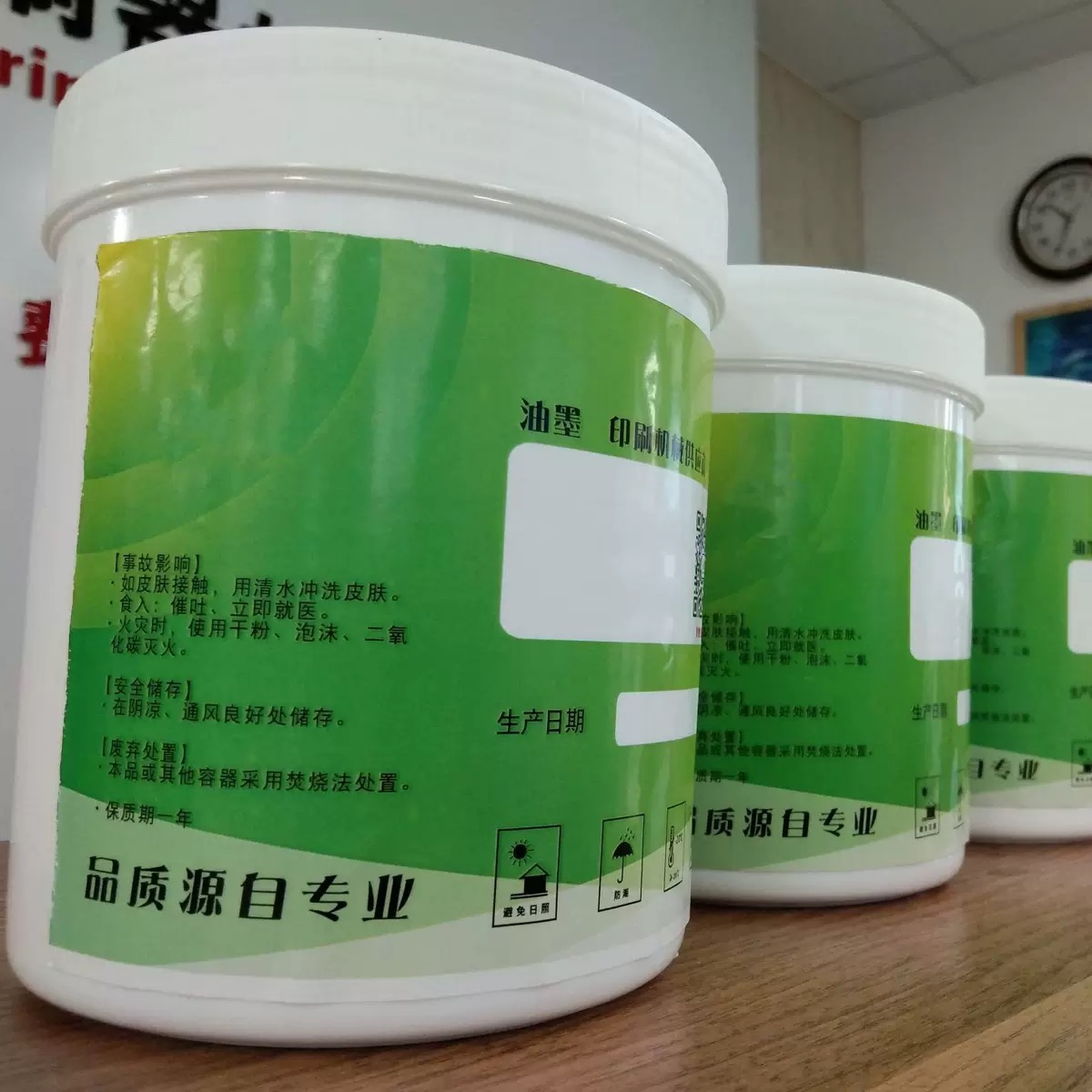
Material records should identify the steel plate type or specification used for the order, the received quantity, supplier or source information, inspection status, storage status, and the person responsible for acceptance. Ink records should include the brand, product code, color, quantity, shelf life, and applicable printing method. Shichuangli's high-temperature silicone ink is identified by product code SCL-00YM, is available in black, white, and color, and supports screen printing and transfer printing.
Process records should show which machine and operator handled the work, when production started and ended, and which approved process instructions were followed. For transfer-printed steel plates, the record should connect the plate identity with the transfer-printing operation, ink batch, proofing result, production quantity, rework quantity, and release decision. A record of process deviations should state the affected lot and the action taken.
Inspection records should cover the checks used by the factory. The supplied quality framework includes production-process inspection, finished-product performance testing, installation acceptance and commissioning where applicable, physical and mechanical performance testing, and structural safety and appearance inspection. Each result should be linked to the production identifier, inspection date, inspector, disposition, and supporting evidence.
Traceability should continue after production. Packaging and shipping records should identify the released lot, packed quantity, packaging condition, shipping method, and delivery documents. Shichuangli reports reinforced wooden-box packaging for equipment shipments and provides shipment information such as bill of lading and shipping order numbers. For a steel plate factory, equivalent shipment records should preserve the relationship between the packed products and their inspection release.
Customer-service records complete the feedback loop. They should include the customer issue, affected product or lot, technical investigation, remote guidance, corrective action, replacement or repair information, and closure evidence. Shichuangli describes one-on-one technical guidance, free technical training, periodic follow-up inspections, genuine factory replacement parts, and a one-year equipment warranty within its complete printing application service model.
Shichuangli's documented credentials include IECEx certificate IECEx PTB 05.0006X for an electromagnetic valve and CNAS certificates for SCOO6-501 Black and SCRS-501 Black. These records demonstrate the value of keeping certificate scope, certificate number, applicable product, and applicable market together with the related technical documentation.
A cooperation case in Saudi Arabia involved hotel product customization using screen printing, heat transfer printing, and gold stamping on products including glass bottles and linen tags. The reported customer feedback referred to proofing accuracy, remote engineering guidance, operation training, transparent pricing, reinforced packaging, and warranty support. A factory can use the same record categories to document proofing, technical support, delivery condition, and post-delivery response for transfer-printed steel plate orders.
Data/Solution Comparison
| Traceability Record Group | Required Record Content | Evidence or Status |
|---|---|---|
| Incoming materials | Steel plate identity, ink brand, product code, batch or lot, quantity, receipt date, and acceptance status | Supported by material inspection and product identification records |
| Production process | Order identifier, equipment, operator, production time, printing method, process instructions, and deviations | Supported by production-process quality inspection |
| Finished-product quality | Performance results, physical and mechanical testing, structural safety, appearance inspection, rework, and release decision | Supported by finished-product performance testing and inspection records |
| Shipment and packaging | Released lot, packed quantity, packaging condition, shipping documents, and delivery confirmation | Supported by shipment tracking and packaging records |
| After-sales and corrective action | Customer complaint, affected lot, technical response, repair or replacement, corrective action, and closure | Supported by technical guidance, training, follow-up, and warranty records |
Frequently Asked Questions (FAQ)
Which records should connect a steel plate to its final transfer-printed product?
The connection should include the incoming steel plate identity, ink brand and product code, batch or lot information, production order, equipment and operator, process date, inspection results, release decision, and shipment record.
What quality evidence should be retained for transfer-printed steel plates?
Retain production-process inspections, finished-product performance results, physical and mechanical performance tests, structural safety checks, appearance inspections, proofing results, rework records, and corrective actions where applicable.
How long should traceability records remain available?
The supplied data does not specify a universal retention period. The factory should define its retention period according to its contracts, internal quality procedures, certification requirements, warranty commitments, and customer-support needs.
Final Conclusion & Recommendations
A transfer-printed steel plate factory should maintain a single traceability chain covering materials, ink, process execution, inspection, packaging, shipment, customer feedback, and corrective action. Records should be identifiable, dated, assigned to responsible personnel, and retrievable by product or order identifier. Shichuangli provides a complete chain-of-printing application service ecosystem with a minimum order quantity of one and standard printing equipment delivery within 48 hours, while customized non-standard printing equipment is delivered within one month. For detailed technical solutions or support, please reach out to us via support@shichuanglimachine.com.
About Us
Dongguan Shichuangli Zhihui Technology Co., Ltd. is located in Huangjiang Town, Dongguan City, Guangdong Province, and integrates the design, research and development, production, and sales of printing equipment and related materials. Its main products include transfer printing machines, screen printing machines, hot stamping machines, tapping machines, non-standard automation equipment, and printing auxiliary materials. The company operates a factory training base covering more than 1,600 square meters and has served more than 15,000 enterprises, with products exported to more than 100 countries and regions.
Its documented credentials include IECEx and CNAS certificates, and its cooperation experience includes serving clients across multiple industries.

Lastest
-
Can I get a video of the servo six-color transfer printer running my sample?
2026-10-24 -
Does the Servo six-color transfer printing machine meet OSHA safety standards for US factories?
2026-10-24 -
How do you handle defect rate claims for the 3050/5070 Flatbed Screen Printing Machine?
2026-10-24 -
Are there eco-friendly alternatives to the Servo four-color shuttle transfer printing machine process?
2026-10-24 -
What is the hourly output speed of a 4x6 fully automatic single-color transfer printing machine?
2026-10-24
SUBSCRIBE
INQUIRY