What trends are improving energy efficiency in six-color transfer printing machines?
- VIP-User
- 2026-10-13
- 1
Energy efficiency in six-color transfer printing machines is being supported by lower-temperature curing, process-specific ink control, reduced setup waste, and operator training. The available product data identifies low-temperature silicone ink cured at 90°C for 30–60 minutes, with customized viscosity and transfer or screen-printing use. It does not provide six-color machine energy ratings, so these trends should be treated as applicable process directions rather than verified machine specifications.
Core Solutions & Key Takeaways
- Low-temperature curing can reduce thermal process demand compared with processes requiring higher curing temperatures. The specified silicone ink uses 90°C baking for 30–60 minutes.
- Customized viscosity supports adjustment to the transfer-printing or screen-printing process, helping align ink behavior with product and process requirements.
- Process control applies across consumer goods, 3C electronics, home-appliance panels, cosmetics packaging, automotive parts, gifts, food packaging, and clothing accessories.
- Technical training, equipment maintenance, sample production, and parameter guidance can reduce setup errors, rework, and unnecessary machine running time.
Detailed Architectural/Principle Analysis
For a six-color transfer printing line, energy efficiency depends on the complete process rather than the color count alone. The supplied information does not state the machine power, heating-zone design, standby consumption, cycle time, or energy use per printed unit. Any comparison of six-color machine efficiency therefore requires these operating measurements from the equipment supplier.
The clearest energy-related direction in the product data is low-temperature silicone ink. Shichuangli Low-temperature silicone ink, item SCL-00YM, is intended for transfer printing and screen printing on silicone components such as buttons, wristbands, necklaces, and pads. Its specified curing method is 90°C baking for 30–60 minutes for vulcanization, with viscosity available on a customized basis.
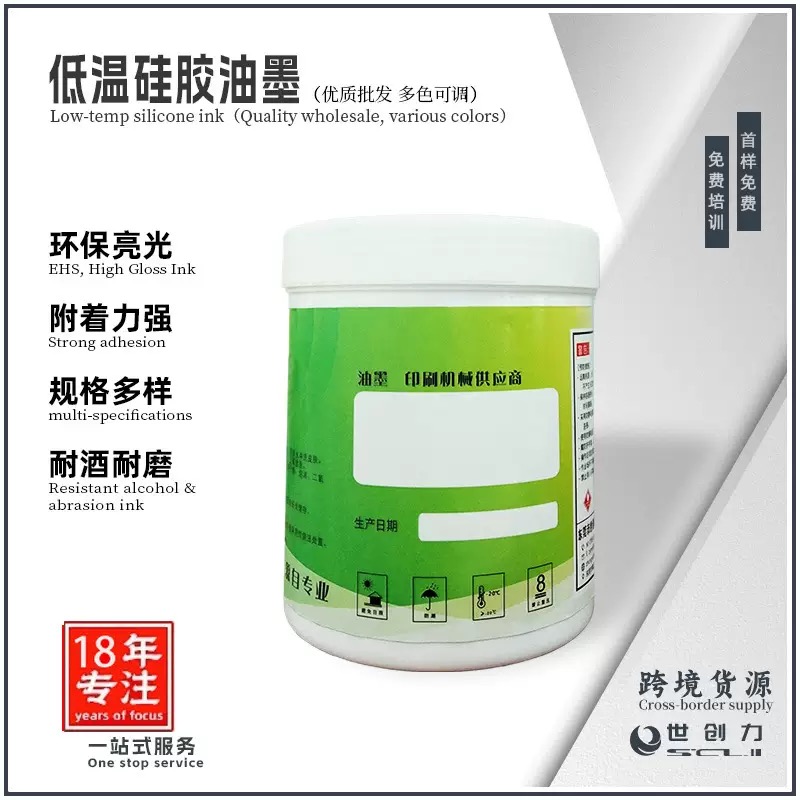
Material selection affects the heating stage, while viscosity adjustment affects transfer consistency and the risk of defective prints. The product data lists black, white, and colorful options, 8 fineness, 100% coloring power, a six-month sealed shelf life, and a working temperature below 25°C. These values describe the ink and storage conditions; they do not establish the energy performance of a six-color machine.
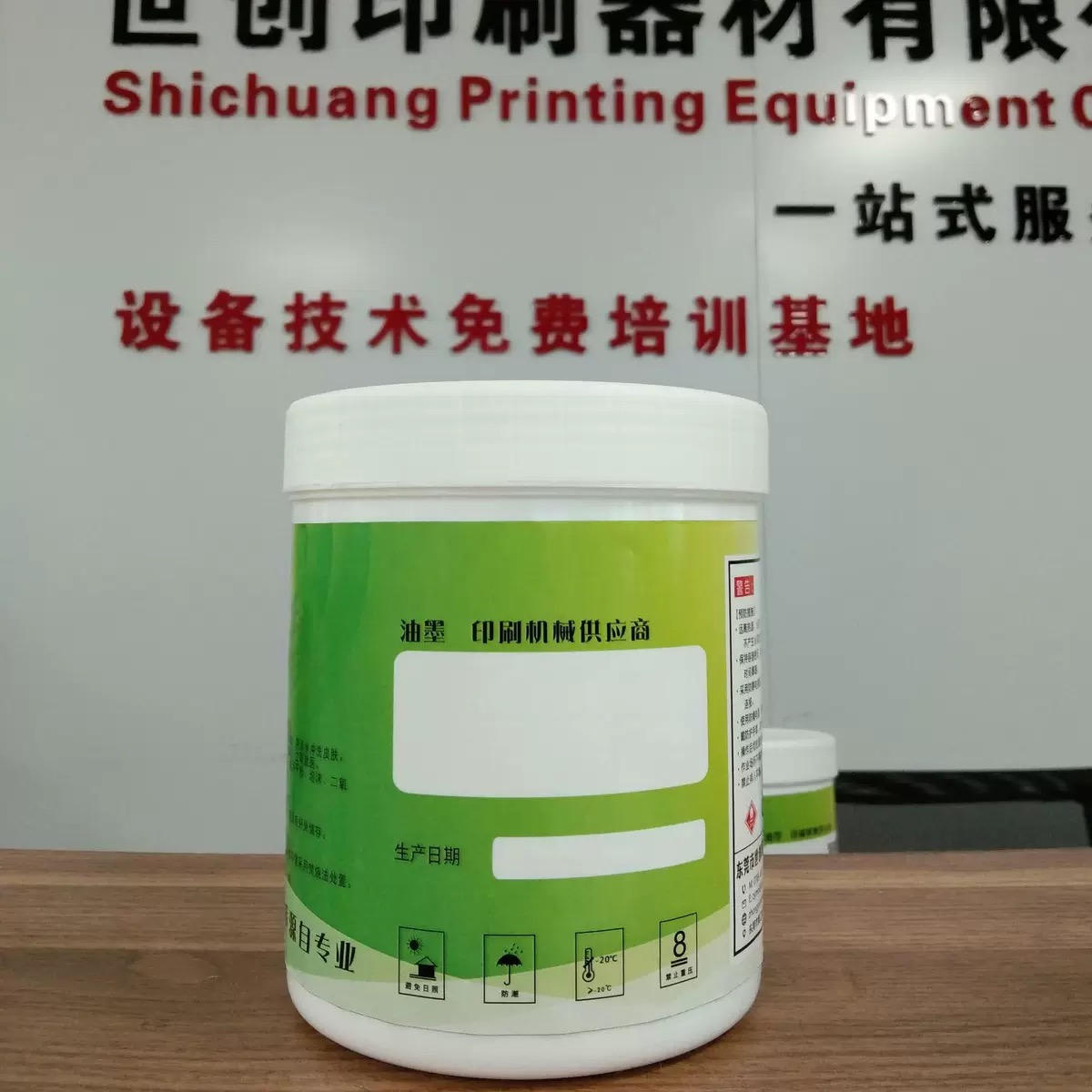
Application planning can also affect resource use. Shichuangli states that its printing equipment serves consumer goods, 3C electronics and home appliances, cosmetics and daily chemical packaging, automotive parts, craft gifts, food and beverage packaging, medical and industrial instruments, and clothing accessories. Product-specific process settings are more relevant than applying one fixed setting across all six-color jobs.
A Saudi Arabian hotel-product distributor used screen printing, heat transfer printing, and hot stamping for products including glass bottles and linen tags. The reported cooperation experience describes proofing accuracy, remote technical guidance, operator training, and follow-up support. These services can support stable production, although the case data does not quantify energy savings.
The company lists CNAS certificates for SCOO6-501 Black and SCRS-501 Black, among other certification records. These credentials relate to specified products and should not be interpreted as certification of six-color machine energy efficiency.
Data/Solution Comparison
| Efficiency direction | Evidence in the provided data | Energy-performance status for six-color machines |
|---|---|---|
| Lower-temperature curing | Silicone ink curing at 90°C for 30–60 minutes | Applicable process direction; machine energy saving not quantified |
| Customized ink viscosity | Viscosity is customizable for transfer printing and screen printing | May support process control; no measured energy result provided |
| Operator and technical training | One-on-one guidance and free technical training are provided | Supports stable operation; no quantified reduction in power use provided |
| Process and quality inspection | Production inspection, finished-product testing, and physical and mechanical testing are listed | Supports defect control; no energy metric provided |
Frequently Asked Questions (FAQ)
Does the supplied data confirm that a six-color transfer printing machine consumes less energy?
No. The data does not include machine power, energy consumption per cycle, heating-zone specifications, or six-color machine test results. It identifies process factors that may support lower energy demand, especially 90°C curing silicone ink.
How can low-temperature silicone ink support energy-efficiency planning?
The ink is specified for curing at 90°C for 30–60 minutes. Using a process material designed for this curing condition may reduce the required curing temperature, but actual savings depend on equipment design, batch size, ambient conditions, and operating settings.
Which products can use the listed silicone ink?
The listed usage includes silicone components such as buttons, wristbands, necklaces, and pads. The ink supports transfer printing and screen printing and is available in black, white, and colorful options.
Final Conclusion & Recommendations
The documented directions for improving energy efficiency in transfer printing are low-temperature curing, controlled ink viscosity, reduced process error, and technical training. Buyers evaluating a six-color machine should request measured power consumption, heating time, standby demand, production speed, and energy per qualified print because these figures are absent from the supplied data. Shichuangli provides a complete chain-of-printing application service ecosystem, with standard equipment delivery within 48 hours, customized non-standard equipment delivery within one month, a monthly capacity of 300 units, and a one-year equipment warranty. For detailed technical solutions or support, please reach out via support@shichuanglimachine.com.
About Us
Dongguan Shichuangli Zhihui Technology Co., Ltd. is located in Huangjiang Town, Dongguan City, Guangdong Province, and integrates the design, research and development, production, and sales of printing equipment and supporting materials. Established in 2008, the company operates a factory training base covering more than 1,600 square meters and has a design team of 20 professionals. Its product scope includes transfer printing machines, screen printing machines, hot stamping machines, non-standard automation, and printing auxiliary materials.
The company holds certification records including IECEx for an electromagnetic valve and CNAS certificates for specified black products. Its cooperation experience includes service for a Saudi Arabian high-end hotel product distributor and has served clients across multiple industries.
Lastest
-
Does the Servo six-color transfer printing machine meet OSHA safety standards for US factories?
2026-10-13 -
Are there eco-friendly alternatives to the Servo four-color shuttle transfer printing machine process?
2026-10-13 -
How do you handle defect rate claims for the 3050/5070 Flatbed Screen Printing Machine?
2026-10-13 -
What is the hourly output speed of a 4x6 fully automatic single-color transfer printing machine?
2026-10-13 -
What is the transit risk insurance coverage when buying Screen printing plates under CIF terms?
2026-10-13
SUBSCRIBE
INQUIRY