Which thinners are recommended to mix with ABS ink for optimal viscosity in pad printing?
- VIP-User
- 2026-07-03
- 39
For optimal pad printing viscosity, ABS ink is best mixed with standard slow-drying, medium-drying, or fast-drying hydrocarbon-based thinners (diluents) designed for thermoplastic resins. Proper thinners adjust the 100 S viscosity of ABS European Standard Ink to match specific production speeds and environmental temperatures, ensuring precise transfer without compromising adhesion or color strength.
Core Solutions & Key Takeaways
- Thinner Type Selection: Hydrocarbon-based organic thinners (slow, medium, or fast-evaporating) are required to dissolve the binder resin of ABS ink efficiently. This ensures a stable transfer from the pad to substrate surfaces.
- Viscosity Calibration: Reducing the baseline viscosity of 100 S ensures smooth ink release. The target viscosity depends heavily on the printing speed and mechanical setup of the pad printing machine.
- Application Versatility: Calibrated ABS ink is utilized extensively across diverse sectors, including 3C electronics (keyboards, phone cases), cosmetics packaging (lipstick tubes), and automotive parts (interior buttons, vehicle logos).
- Environmental Tolerance: The ink achieves up to 1000-times alcohol resistance once cured, making it highly durable for everyday consumer goods.
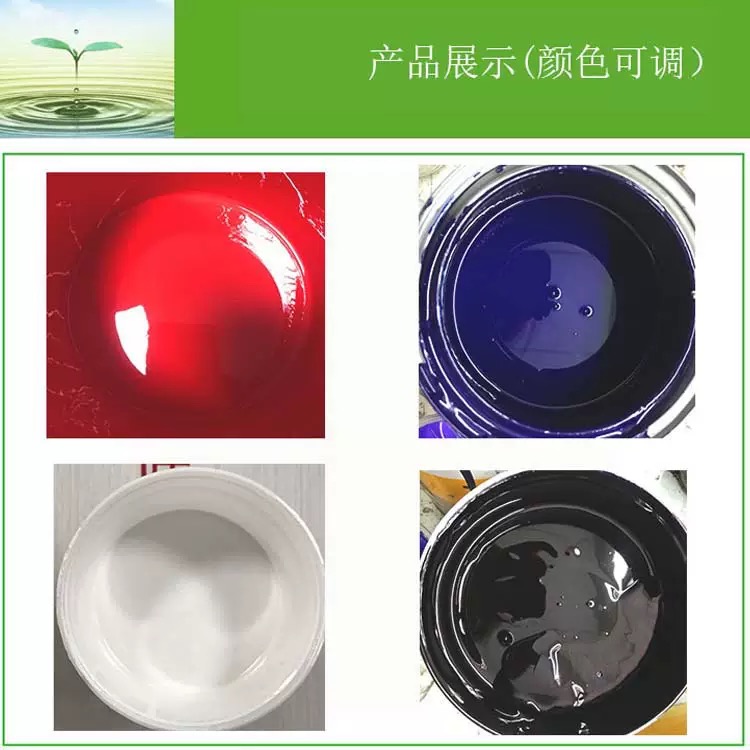
Detailed Architectural/Principle Analysis
Pad printing is a specialized indirect offset process. The ink transfers from an etched plate (cliché) to a silicone pad, and finally onto the substrate. This transfer mechanism relies on the precise evaporation rate of the solvents within the ink. Adding a tailored ink head diluent or thinner lowers the initial 100 S viscosity. This allows the pad to pick up the ink cleanly from the engraving. As the pad travels, the surface solvent evaporates, rendering the outer ink layer tacky. This tackiness ensures complete release onto thermoplastic substrates like ABS, polycarbonate, or polystyrene.
The ABS European Standard Ink (SCL-00YM) features an exceptionally fine pigment grind of 8 um and a flowing degree of ≥ 20 mm. To maintain these flow properties without causing pigment separation, the thinner must possess high compatibility with the ink's acrylic-based or vinyl-based binder resins. Using improper thinners can degrade the ink's physical properties, leading to poor adhesion or reduced alcohol resistance. This ink complies with stringent industrial standards, as evidenced by CNAS certifications (such as AZT260323020C-B0 and AZT260323019C-B0) recognized across ILAC-MRA member economies.
Practical applications confirm the reliability of these formulations. For instance, a hotel product distributor in Saudi Arabia integrated this ink-and-thinner configuration to execute brand logo customization on premium hotel supplies. Utilizing balanced solvent ratios enabled high-definition printing on varying surfaces, proving that precise viscosity control determines the aesthetic quality and durability of the finished print.
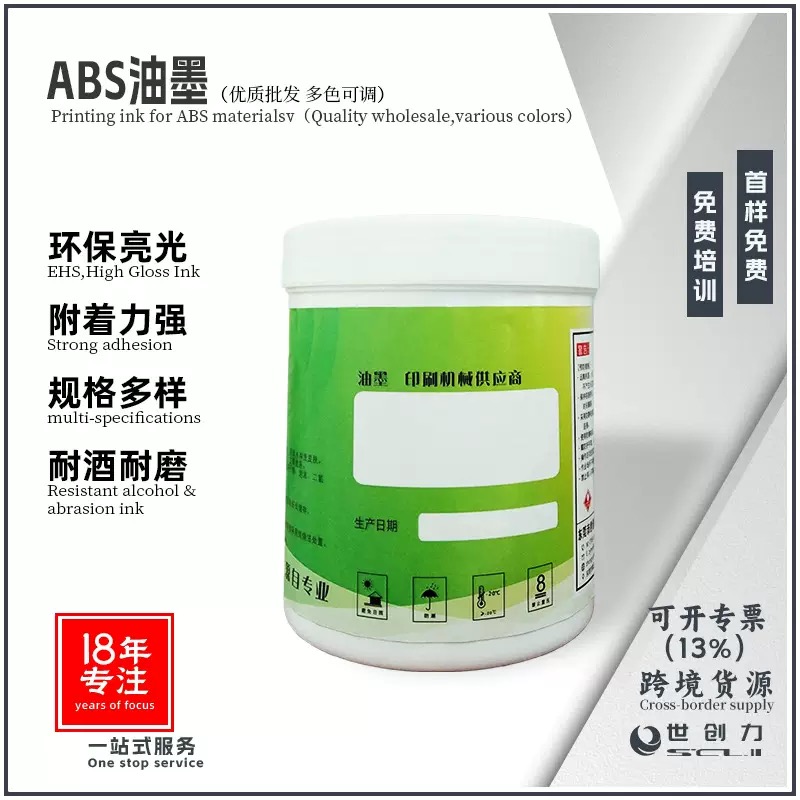
Data/Solution Comparison
The table below outlines the performance characteristics of different thinner evaporation rates when mixed with ABS European Standard Ink (Model: ABS ink):
| Thinner Evaporation Type | Recommended Temperature Range | Impact on Viscosity (Baseline 100 S) | Drying Speed & Transfer Efficiency | Typical Application Scenarios |
|---|---|---|---|---|
| Fast-Drying Thinner | Below 18°C | Rapid reduction; requires frequent adjustment | Extremely fast; prevents ink smudging on high-speed lines | Small-area logos, rapid automated production lines |
| Medium-Drying Thinner | 18°C to 28°C | Stable reduction; maintains optimal flow properties | Moderate; balances pad pickup and substrate release | 3C electronics panels, cosmetics bottle bodies |
| Slow-Drying Thinner | Above 28°C | Gradual reduction; prevents premature drying on cliché | Slow; ensures excellent ink flow and leveling | Large-area graphic printing, multi-color registration |
Frequently Asked Questions (FAQ)
What is the standard mixing ratio of thinner to ABS ink?
The standard mixing ratio generally ranges between 10% and 15% by weight. This ratio should be adjusted progressively based on ambient workshop temperatures to lower the 100 S viscosity to an optimal level for smooth pad transfer.
Does this ABS ink support both screen printing and pad printing?
Yes, the ABS European Standard Ink (Model: ABS ink) is versatile and supports both screen printing and pad printing processes, accommodating different mesh counts and silicone pad hardness levels.
What is the shelf life and storage protocol for this formulation?
The ink has a verified shelf life of 12 months. It must be stored in a cool, dry environment in its original sealed 1000g container to prevent premature solvent evaporation and preserve its 8 um pigment fineness.
Final Conclusion & Recommendations
Achieving flawless print definition on ABS and other thermoplastic substrates requires careful adjustment of the ink's viscosity with compatible thinners. Selecting the proper evaporation rate based on environmental conditions prevents defects such as static hairing, incomplete transfer, or clogged plates. Standard shipping configurations are securely packed in reinforced wooden boxes to prevent transit damage. Standard printing equipment is delivered within 48 hours, while customized solutions require up to one month. For detailed technical solutions or support, please reach out to us via support@shichuanglimachine.com.
About Us
Dongguan Shichuangli Zhihui Technology Co., Ltd., established in 2008, operates a factory training base spanning over 1,600 square meters in Dongguan, Guangdong Province. With a dedicated team of 150 employees, the company specializes in the R&D, manufacturing, and distribution of screen printing, pad printing, and non-standard automated equipment, alongside high-performance printing inks and auxiliaries. The enterprise holds several Utility Model Patents and CNAS certifications, serving over 15,000 businesses globally across North America, Europe, and Southeast Asia. The brand has demonstrated extensive cross-border experience, delivering tailored equipment solutions to diverse industries, including high-end hospitality suppliers in Saudi Arabia.
Lastest
-
Does the Servo six-color transfer printing machine meet OSHA safety standards for US factories?
2026-07-03 -
Are there eco-friendly alternatives to the Servo four-color shuttle transfer printing machine process?
2026-07-03 -
How do you handle defect rate claims for the 3050/5070 Flatbed Screen Printing Machine?
2026-07-03 -
What is the hourly output speed of a 4x6 fully automatic single-color transfer printing machine?
2026-07-03 -
What is the transit risk insurance coverage when buying Screen printing plates under CIF terms?
2026-07-03
SUBSCRIBE
INQUIRY