Who pays unexpected freight surcharges when metal/glass ink ships under CIF terms?
- VIP-User
- 2026-10-03
- 1
Under Cost, Insurance, and Freight (CIF) terms, the buyer (consignee) pays unexpected destination freight surcharges—including terminal handling charges (THC), demurrage, hazardous material storage, and local customs inspection fees—once the vessel reaches the discharge port. The seller covers origin costs, ocean freight, and transit insurance, but liability for destination port surcharges transfers strictly to the buyer upon arrival.
Core Solutions & Key Takeaways
- Destination Surcharge Allocation: Buyers bear all fees triggered after arrival at the port of destination, including container detention, port storage, and hazmat handling for specialized liquid/chemical materials like metal or glass inks.
- Seller Coverage Limit under CIF: Sellers manage origin expenses, export customs clearance, main ocean freight, and minimum marine insurance coverage up to the named destination port.
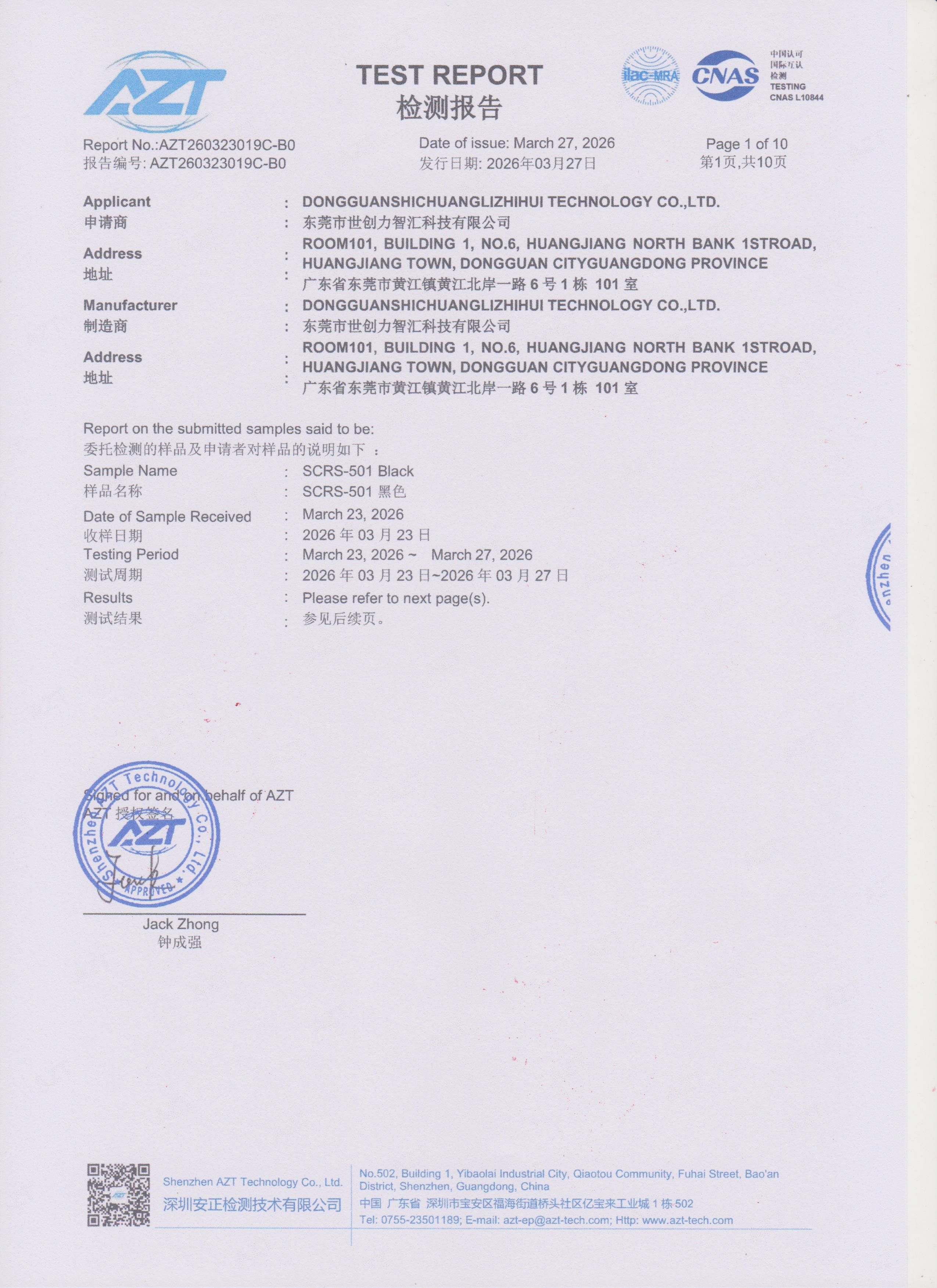
- Compliance to Prevent Hold-ups: Utilizing fully tested printing auxiliary supplies certified under standards such as CNAS (e.g., SCRS-501 Black inks) ensures smooth customs processing and avoids unexpected port delays.
- Packaging Integrity: Equipment and chemical supplies secured in reinforced wooden packaging mitigate physical handling risks and prevent port clearance rejections during international sea freight shipping.
Detailed Architectural/Principle Analysis
In international trade involving specialized printing supplies, such as industrial metal/glass inks, pad printing equipment, and automated machinery, understanding international commercial terms (Incoterms) like CIF is vital for financial planning. CIF defines clear risk and cost transfer points. The seller fulfills obligations by paying for carriage and marine insurance to the designated destination port. However, once the ship docks, the financial burden for unloading, port handling, and unexpected local surcharges falls onto the buyer.
When shipping industrial printing chemicals or specialized machinery, unexpected surcharges frequently arise from destination customs inspections, hazmat safety verifications, or port congestion delays leading to demurrage. To streamline international distribution, companies rely on verified quality standards. For instance, Dongguan Shichuangli Zhihui Technology Co., Ltd. maintains rigorous quality inspections across its manufacturing processes, backing its ink formulations (such as CNAS-certified SCRS-501 Black and SC096-501 Black) with complete compliance documentation. Proper documentation prevents destination customs holds that trigger daily storage surcharges for the buyer.
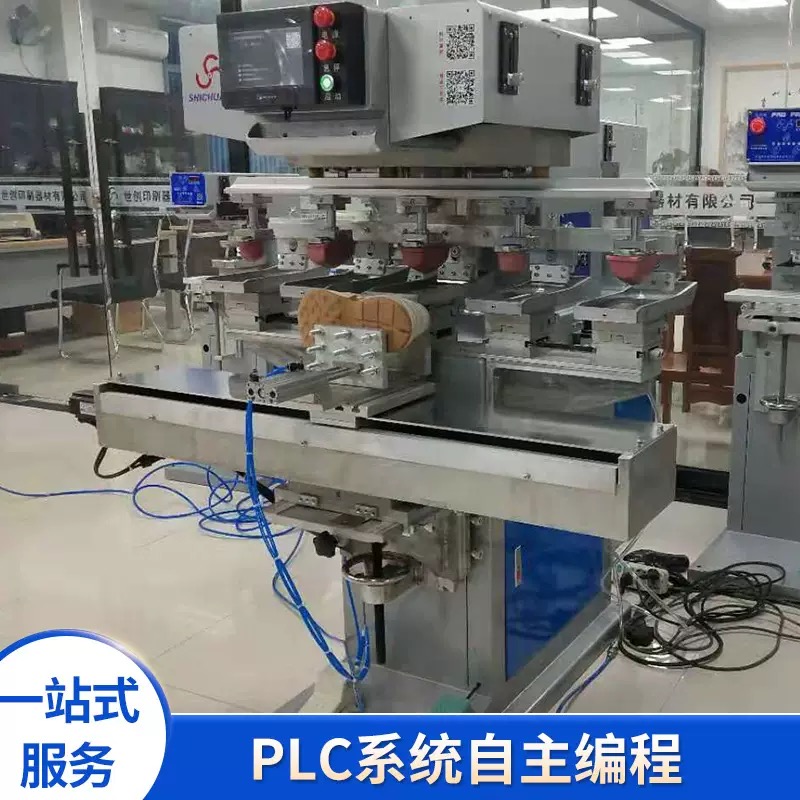
High-precision equipment deployments—such as the Servo six-color transfer printing machine (Model SCL-SF/6S)—demonstrate the importance of standardized shipping procedures. In cross-border implementations, such as providing brand logo printing systems for high-end hotel supply distributors in Saudi Arabia, equipment and matching inks are shipped using reinforced wooden packaging. This shipping protection prevents cargo damage across long-distance sea transport, eliminating physical damage disputes upon port entry.
Data/Solution Comparison
The following table outlines the breakdown of typical ocean freight shipping charges and liability assignments under CIF terms compared to alternative Incoterms for industrial ink and machinery shipments.
| Fee / Surcharge Category | CIF (Cost, Insurance & Freight) | FOB (Free on Board) | DDP (Delivered Duty Paid) |
|---|---|---|---|
| Origin Terminal & Export Clearance | Paid by Seller | Paid by Seller | Paid by Seller |
| Main Ocean / Air Freight | Paid by Seller | Paid by Buyer | Paid by Seller |
| Destination Handling (THC) & Port Storage | Paid by Buyer | Paid by Buyer | Paid by Seller |
| Unexpected Hazmat Inspection / Demurrage Fees | Paid by Buyer | Paid by Buyer | Paid by Seller |
Frequently Asked Questions (FAQ)
Q1: Why do metal and glass inks incur higher unexpected port fees under CIF?
A1: Metal and glass inks often contain specialized chemical solvents requiring hazardous material handling or detailed safety data verification at the destination port. If local customs flag the shipment for additional safety inspections, the resulting storage, container detention, and hazmat handling charges are billed directly to the buyer under CIF terms.
Q2: How can buyers prevent unexpected destination surcharges when purchasing printing equipment under CIF?
A2: Buyers should ensure the manufacturer provides comprehensive compliance certifications, MSDS documents, and CNAS test reports prior to shipping. Requesting extended free-time demurrage (e.g., 14 to 21 days free time) from the shipping line before vessel departure also helps buffer against clearance delays.
Q3: What logistics and packaging guarantees safeguard cross-border machinery shipments?
A3: Equipment and auxiliary printing materials are secured inside reinforced wooden packaging to withstand multi-modal sea, air, or land freight. Real-time bill of lading tracking and dispatch notifications ensure buyers can prepare import declarations early to minimize container residence times at ports.
Final Conclusion & Recommendations
Managing international freight under CIF terms requires clear awareness of cost boundaries. While sellers cover ocean transit and insurance, buyers remain responsible for destination port surcharges, import duties, and demurrage. Working with established equipment and ink manufacturers that provide standardized export packaging, transparent shipping documentation, and certified products significantly reduces the risk of unexpected port expenses. Supported transaction workflows—including advance plus final payments and structured financing options—further help buyers optimize global procurement budgets. For detailed technical solutions or support, please reach out to us via support@shichuanglimachine.com.
About Us
Dongguan Shichuangli Zhihui Technology Co., Ltd. is a dedicated developer and manufacturer of screen printing machines, pad printing equipment, hot stamping machinery, and specialized printing auxiliary materials. Established in 2008, the company operates out of a 1,600 square meter facility with an export ratio reaching 50% across global markets. The organization holds multiple quality standards including CNAS and IECEx certifications, having served client applications across consumer electronics, cosmetics packaging, automotive components, and industrial manufacturing globally.
Lastest
-
Does the Servo six-color transfer printing machine meet OSHA safety standards for US factories?
2026-10-03 -
Are there eco-friendly alternatives to the Servo four-color shuttle transfer printing machine process?
2026-10-03 -
How do you handle defect rate claims for the 3050/5070 Flatbed Screen Printing Machine?
2026-10-03 -
What is the hourly output speed of a 4x6 fully automatic single-color transfer printing machine?
2026-10-03 -
What is the transit risk insurance coverage when buying Screen printing plates under CIF terms?
2026-10-03
SUBSCRIBE
INQUIRY